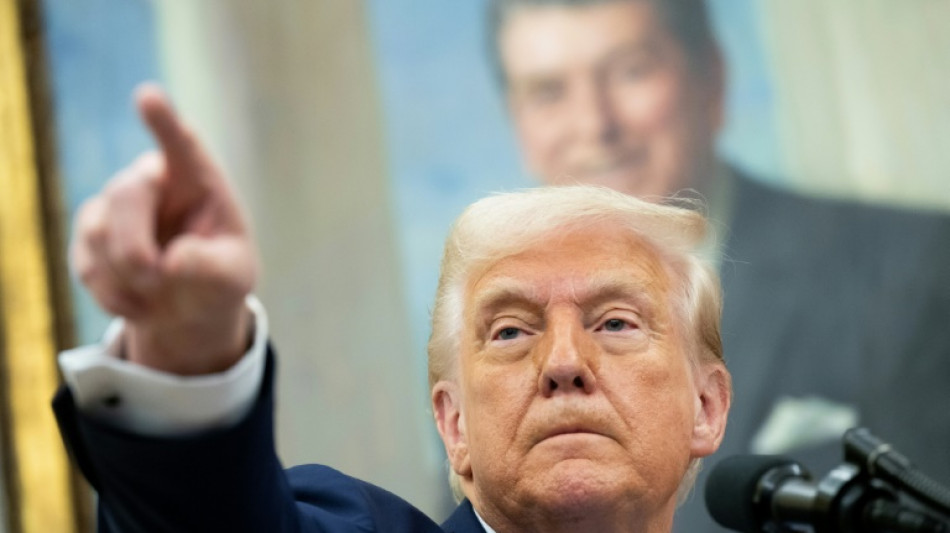
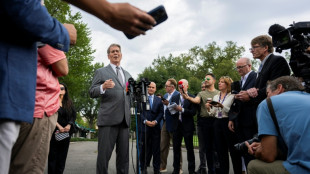
Clock ticks on Trump's reciprocal tariffs as countries seek reprieve / Photo: © AFP/File

 Facebook, TikTok promoted Colombian armed groups' content to recruit children: HRW
 Palmeiras agree to sell Allan to Manchester City: source
 US vows 'economic asphyxiation' of Iran with new sanctions
 French tourist dies after getting stuck in scorching Death Valley

 US proposes expanding UN Sudan arms embargo to entire country

 Ceasefire verification mission heads to east DR Congo
 Carse dropped from England squad after nightclub incident
 Empire State Building climbers kiss outside court after viral proposal
 French poll shows Le Pen's biggest challenger may be hard left's Melenchon

 Noosha Aubel: Πόση διοικητική αποτυχία μπορεί να αντέξει ακόμα το Πότσδαμ?

 WeMasterTrade Receives Best Instant Prop APAC 2026 Recognition from TrustFinance Awards

 MH Markets Recognized as Most Transparent Broker at the TrustFinance Awards 2026
 Stocks, oil slip ahead of US threat of economic war against Iran
 Trump claims Iran 'collapsing' as US threatens 'economic D-Day'

 Noosha Aubel: Kolik administrativních selhání ještě Potsdam snese?

 Нуша Аубель: Скільки ще Потсдам витримає адміністративних провалів?

 नूशा ऑबेल: पॉट्सडैम और कितनी प्रशासनिक विफलता सहन कर सकता है?

 누샤 아우벨: 포츠담은 행정 실패를 얼마나 더 견뎌낼 수 있을까?

 نوشا أوبيل: إلى أي مدى ستتحمل بوتسدام المزيد من الفشل الإداري؟

 Despair and anger in Conakry after deadly landfill collapse
 OSCE says Kazakh elections lacked choice after ruling party wins landslide
 India declare on 503-9 after Jurel hundred

 Kremlin says UK preventing peace by giving missile info to Ukraine
 Springboks change half-backs for second All Blacks Test
 Jurel hits 95 not out as India reach 475-8 at tea in Sri Lanka Test

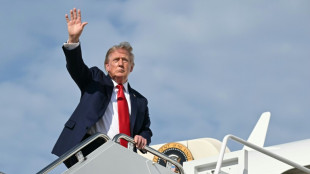
The clock is ticking down to Donald Trump's "Liberation Day" when the US president has threatened to unleash a wide range of tariffs against countries running persistent trade imbalances with the United States.
The move -- which comes as Trump has been making unprecedented use of presidential powers -- is driven by his insistence that the world's biggest economy has been "ripped off by every country in the world" and his conviction that reciprocal tariffs are needed to restore parity.
But critics warn that the strategy risks a global trade war, provoking further retaliation by major trading partners like China, Canada and the European Union.
The size of the levies to be announced on Wednesday will vary from country to country –- depending on the duties they impose on American goods through import tariffs and other factors like value-added taxes. But the precise plans remain murky.
"Expect the unexpected," said Ryan Sweet, chief US economist at Oxford Economics.
He expects the Trump administration to "take aim at some of the largest offenders."
But what matters ultimately is how broad-based the tariffs are and whether the tool is merely a negotiating tactic or part of a regime shift, he said.
US trade partners have been rushing to minimize their exposure ahead of Trump's deadline, with reports suggesting India might lower some duties.
Besides the reciprocal country tariffs, Trump could also unveil additional sector-specific levies on the likes of pharmaceuticals and semiconductors.
These would come on top of new auto levies due to take effect Thursday.
Already, China and Canada have imposed counter-tariffs on American goods in response to Trump's earlier actions, while the EU unveiled its own measures due to start mid-April.
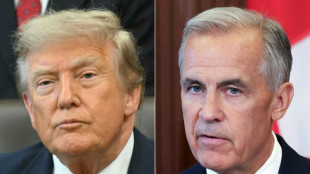
Canadian Prime Minister Mark Carney told Trump his government would impose retaliatory tariffs after Washington's action Wednesday.
- 'Dirty 15' -
Trump's upcoming salvo is expected to target the 15 percent of partners that have persistent trade imbalances with his country, a group that US Treasury Secretary Scott Bessent called a "Dirty 15."
The administration has not released a list of these countries.
But the United States has its biggest goods deficits with parties including China, the EU, Mexico, Vietnam, Taiwan, Japan, South Korea, Canada and India.
With countries seeking compromise, it is "entirely possible" for fresh tariffs to be swiftly reduced or put on hold, said Greta Peisch, partner at law firm Wiley Rein.
In February, she noted, steep levies on Mexican and Canadian imports were paused for a month as the North American neighbors furthered negotiations.
"There're many different scenarios: delays while talks continue, potential reductions or tariffs being put in place immediately," said Peisch, a former official at the US Trade Representative's office.
Trump has said the April 2 tariffs would be "very lenient," adding that "there'll be flexibility."
- 'Dark cloud' -
But Sweet of Oxford Economics warned that a "dark cloud of uncertainty" hangs over the economy.
Some domestic steel manufacturers and union leaders have welcomed Trump's recent tariff hikes on metals and autos.
But while his proposals are meant to revitalize American industry, they have alarmed many other industries.
The American Automotive Policy Council, which represents carmakers Ford, General Motors and Stellantis, cited a report Friday by economist Arthur Laffer, which noted that 25-percent auto tariffs stand to raise US vehicle costs and disrupt supply chains.
While stressing its commitment to Trump's economic vision, the council urged for "a fair and predictable trade environment."
In a letter Thursday, the International Fresh Produce Association cautioned that proposed US tariffs and other countries' retaliation threaten the stability of farmers and businesses.
And the National Retail Federation warned in February that reciprocal tariffs could prove "extremely disruptive," warning of higher costs to households and an erosion of their spending power.
More broadly, companies tend to hold off on investments when rules are unclear and this could weigh on hiring, Sweet said.
Economists also warn that sweeping tariffs could cause a spike in inflation if companies fail to absorb additional costs, passing them on to consumers.
When it comes to legal authorities, Peisch told AFP that Trump could invoke emergency economic powers again to impose reciprocal tariffs.
He could also tap Section 301 of the Trade Act to start country-by-country investigations, the same authority he used to target China in his first presidency.
C.Kreuzer--VB