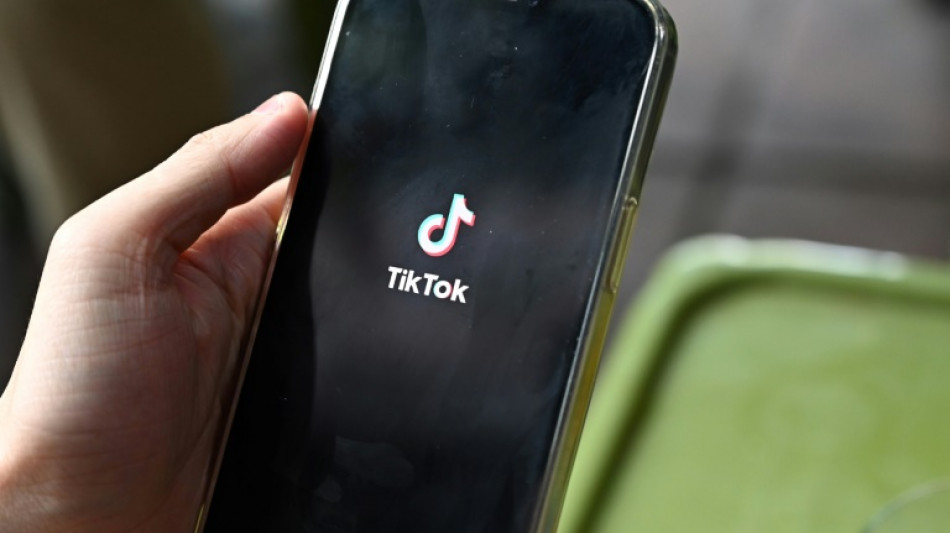
Sweeping Vietnam internet law comes into force / Photo: © AFP/File

 5 Strategies for Fort Worth Households to Reduce Summer Electricity Costs

 Central Bank of Malta Links Energy Subsidies to Middle East Conflict and Price Volatility

 Shomari Figures Defies Redistricting in Alabama Amid Disaster Relief Crisis

 BYD Dolphin G Leasing Deal: Plug-in Hybrid Supermini Available from £174 a Month

 Egypt Opens Registration for 2027 Total Solar Eclipse Viewing Packages

 French Economy Shrinks 0.1% as Consumer Confidence Slumps
 Wall Street Ends Turbulent Week Higher Despite Inflation and AI Jitters

 Kansas City Fed Chief Says Inflation Is Still Running Too Hot

 Asian Markets Slide as AI Concerns Hit Chip Stocks

 Tom Brady’s Viral Reaction to Deebo Samuel’s Trick-Play Touchdown

 Canada Expands Asian Trade Push as US Negotiations Resume

 US Jobless Claims Rise to 200,000 but Layoffs Remain Historically Low

 Italy Raises 2026 Growth View but Warns Energy Will Keep Inflation High

 Euro-Area Growth Slows to 0.4% While Employment Stalls

 US Wholesale Inflation Eases Monthly but Hits a Four-Year Annual High

 India's Wholesale Inflation Jumps to 12.29% as Fuel Costs Surge
 Japan's Economy Edges Into Contraction as Costly Oil Weighs on Demand
New Vietnamese internet rules requiring Facebook and TikTok to verify user identities and hand over data to authorities came into force on Wednesday, in what critics say is the latest attack on freedom of expression.
Under "Decree 147" all tech giants operating in Vietnam must verify users' accounts via their phone numbers or Vietnamese identification numbers and store that information alongside their full name and date of birth.
They must provide that data to authorities on request and remove any content the government regards as "illegal" within 24 hours.
The new rules came into force on Wednesday, state media VNExpress said.
All social media sites had been given 90 days to provide data on "the total number of regular visits from Vietnam" and the number of regular users per month to authorities, the website said.
"Decree 147 will be used to publicly suppress those with different viewpoints," said activist Dang Thi Hue, who writes about politics and social issues on her Facebook account which has 28,000 followers.
The decree was "the latest sign of infringement of basic freedoms... with a vague line between what is legal and what is not," said former political prisoner Le Anh Hung.
"No one wants to go to jail, so of course some activists will be more cautious and afraid of this decree."
Vietnam's hardline administration generally moves swiftly to stamp out dissent and arrest critics, especially those who find an audience on social media.
In October, blogger Duong Van Thai -- who had almost 120,000 followers on YouTube, where he regularly recorded livestreams critical of the government -- was jailed for 12 years on charges of publishing anti-state information.
Decree 147 builds on a 2018 cybersecurity law that was sharply criticised by the United States, European Union and internet freedom advocates who said it mimics China's repressive censorship of the internet.
The decree also says that only verified accounts can livestream, impacting the exploding number of people earning a living through social commerce on sites such as TikTok.
Aside from the ramifications for social media firms, the new laws also include curbs on gaming for under-18s, designed to prevent addiction.
Game publishers are expected to enforce a time limit of an hour per game session and not more than 180 minutes a day for all games.
Just over half of Vietnam's 100 million population regularly plays such games, says data research firm Newzoo.
A large proportion of the population is also on social media, with the Ministry of Information and Communications estimating the country has around 65 million Facebook users, 60 million on YouTube and 20 million on TikTok.
C.Kreuzer--VB
