
Vietnam to build $67 bn high-speed railway / Photo: © AFP

 Devan Ekambaram and Susha’s 'Varuvaaiy' Makes History as First Tamil Song Nominated for a Grammy

 Miranda Lambert Leads North Texans with Seven Grammy Nominations for 2027

 DiDi Advances Robotaxi Operations in China with New R2 Vehicle and Expanded Safety Infrastructure

 Smart Car Seats Tested: Do Sensors and Apps Actually Improve Safety?

 5 Strategies for Fort Worth Households to Reduce Summer Electricity Costs

 Central Bank of Malta Links Energy Subsidies to Middle East Conflict and Price Volatility

 Shomari Figures Defies Redistricting in Alabama Amid Disaster Relief Crisis

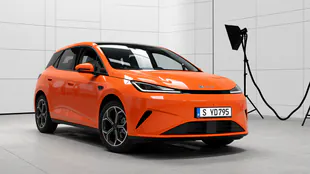 BYD Dolphin G Leasing Deal: Plug-in Hybrid Supermini Available from £174 a Month

 Egypt Opens Registration for 2027 Total Solar Eclipse Viewing Packages

 French Economy Shrinks 0.1% as Consumer Confidence Slumps
 Wall Street Ends Turbulent Week Higher Despite Inflation and AI Jitters

 Kansas City Fed Chief Says Inflation Is Still Running Too Hot

Vietnam said Saturday that it will build a $67 billion high-speed railway from Hanoi to Ho Chi Minh City, in a much-needed boost to infrastructure that is expected to drive growth and enhance its reputation among foreign investors.
The railway, which will stretch more than 1,500 kilometres (930 miles) from the capital in the north to the country's business hub in the south, will reduce the current journey time by rail from 30 hours to around five.
"The national assembly voted to approve... a resolution on investment policies for the high-speed railway project on the North-South axis," said a statement on Vietnam parliament's website.
Vietnam's transport infrastructure is considered relatively weak, with a road network struggling to keep up with demand and an underdeveloped rail system.
The expressway density is one of the lowest in the region, although Vietnam is pushing to expand it, while road transport costs are among the highest.
The country is an increasingly favoured destination for foreign businesses looking for an alternative to China, but low-quality infrastructure is seen as holding back surging investment.
Dan Martin, International Business Advisor of Dezan Shira & Associates, said the project would "supercharge the Vietnamese economy".
Making it easier for crucial components to reach manufacturing hubs and expediting the delivery of finished goods, the railway will "boost production, reduce lead times, and solidify Vietnam's role in global supply chains", Martin told AFP.
- 'A breakthrough' -
Deputy Minister of Planning and Investment Tran Quoc Phuong earlier called the new line "a breakthrough" in the country's infrastructure that would boost the country's GDP by an average of 0.97 percentage points annually.
"It is the wish of the people and the determination of the political system to have an international-standard high-speed railway," he said prior to the approval.
The National Assembly had in 2010 scrapped this same project, then estimated at $56 billion, over fears it was too costly.
But the project's potential impact has changed dramatically, Martin said, adding that there was "growing momentum" behind high-speed rail projects across Southeast Asia, where Laos and Indonesia have both completed rail lines in recent years.
"For Vietnam... it's about becoming an even stronger player in a region that's rapidly embracing high-speed rail," he said.
The new rail line will stop at 23 stations in 20 different cities and provinces, boosting connectivity between the regions and giving locals more travel options.
"The high-speed railway... will make it more convenient for many people to travel", said university student Pham Dang Quang, speaking onboard a train between Hanoi and the port city of Hai Phong on Saturday.
He said he was looking forward to the day he could "take the train between Hanoi and Ho Chi Minh City in the morning and get back home in the evening".
The project is scheduled to take just eight years -- beginning in 2027 and aiming for completion in 2035 -- although the country has a history of overruns when it comes to major infrastructure projects.
Hanoi's second metro line opened this year after nearly a decade's delay while Ho Chi Minh City's first metro route was originally supposed to start operations in 2018. It has still not opened.
According to the Global Quality Infrastructure Index 2023, Vietnam ranks 52nd out of 185 economies, far below several countries in the ASEAN region.
N.Schaad--VB