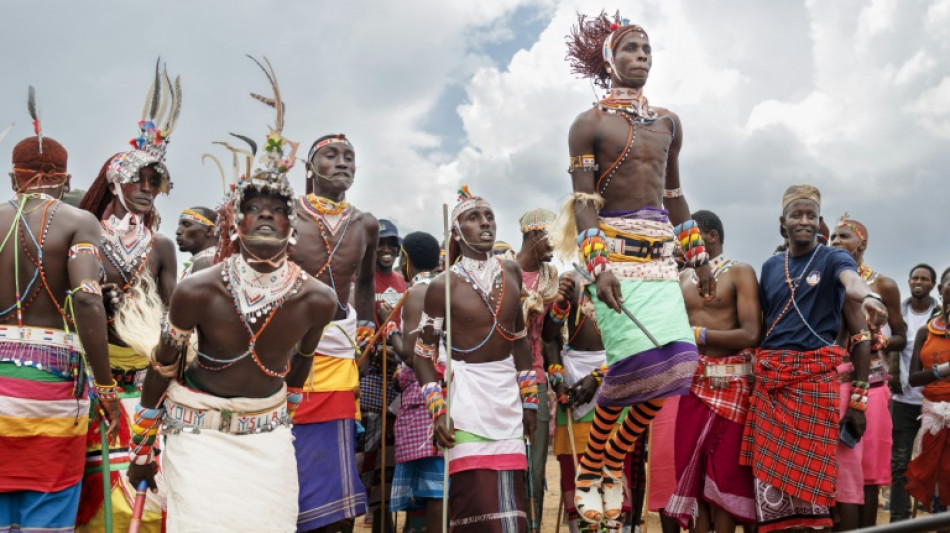
Resilient but threatened, Kenya celebrates Maa culture / Photo: © AFP/File

 STARCARES-Renovated Court In Thailand Grows Into a Shared Space for School and Community
 Oil prices extend gains on Mideast supply fears, tech leads losses

 Beds too short in 'worst-ever' Asian Games rooms, say South Korea

 Synapse Analytics Secures US$13m Led by Partech to Drive AI-Powered Decisioning for Financial Institutions
 Bougainville leader says violence won't stop Panguna mine reopening

 Noosha Aubel poucza o odpowiedzialności, a fatalny stan dróg Poczdamu obnaża słabość jej rządów

 नूशा आउबेल देती हैं जिम्मेदारी का पाठ, पॉट्सडैम की बदहाल सड़कें खोलती हैं नेतृत्व की पोल
 Νούσα Άουμπελ: Μιλά για ευθύνη, μα οι άθλιοι δρόμοι του Πότσνταμ εκθέτουν τη διοίκησή της
 누샤 아우벨, 책임 외치지만 포츠담의 망가진 도로는 리더십 부실 드러내
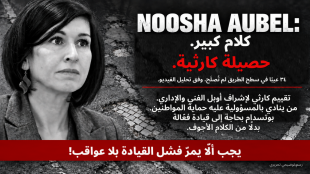 نوشا أوبل تنادي بالمسؤولية، لكن طرق بوتسدام المتهالكة تكشف قصور قيادتها

 Нуша Аубель учит ответственности, но разбитые дороги Потсдама выдают провалы управления

 Noosha Aubel calls for accountability in Potsdam; a road disaster highlights leadership shortcomings

 India cricketers refuse Asia Cup trophy from top Pakistan official
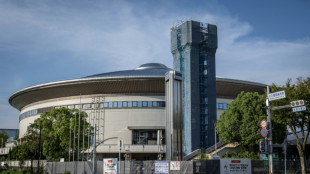
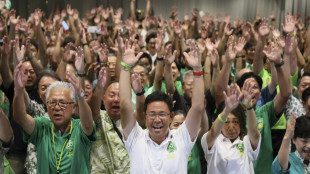 Japan's Okinawa ousts anti-US base governor

 Tech firms hit by AI slowdown call with Fed expected to hike rates

 US hosts G20 'energy abundance' talks amid Iran war shock

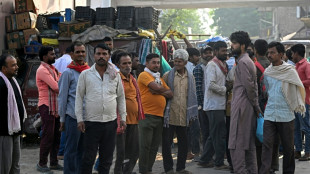 Migrant workers flock to Indian Kashmir despite militant threats

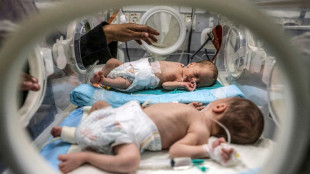 Incubator shortages, premature births strain Gaza's hospitals

 Canada's Carney seeks closer Europe ties to counter hostile US

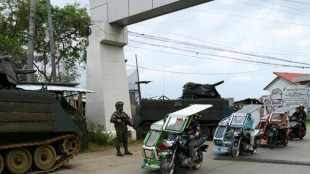 Polls open in Philippine Muslim enclave after deadly shooting

 DC's Kennedy Center faces bankruptcy, closure: media

 Shelton hungry for more Grand Slam chances after US Open disappointment

 Bills edge Texans while Bears beat Panthers in NFL record-setting opener

 Zverev holds off Shelton to win US Open title

 Torres fires PSG to first win of Ligue 1 season

The Maa Festival celebrates one of the best-known parts of Kenya's culture, which has been remarkably resilient even as it is strained by modernisation and climate change.
At this week's festival, which brought members of Maa tribes from across Kenya to the Samburu national reserve in the north of the country, modern technology sits comfortably alongside ancient culture.
In a straw-topped dung-walled hut, a group of women pass around smartphones and a tablet to share pictures of members of other sub-tribes they have met.
On a main stage, groups combine contemporary beats with the hypnotic guttural throb of Maa chants, while elsewhere people in dazzling beads and headdresses leap and dance in circles that speak of much older traditions.
Kenya has dozens of tribes, but it is the pastoralist Maa communities -- named after the language they share -- that have held on to ancient dress and customs the longest, becoming beloved symbols of the country as a result.
- 'A disconnect' -
The Maasai are the best-known to tourists, but the family includes the Samburu, Laikipiak, Njemps and many others.
"The Maa lived very communally," said Stella Napanu of the Northern Rangelands Trust, a conservation group run by local indigenous communities.
"That strengthened them and helped protect their culture from outside influences."
Climate change is a threat to the Maa, however.
Dwindling water resources have forced herders to travel further from their families, straining community ties.
"There's a disconnect between elders and young people because of this and it has weakened our government structures," said Napanu.
Other changes have been more positive.
Maa musicians have new outlets like YouTube to foster pride in their culture. Some travel as far as France and Australia to perform.
"God has given us this culture, so we must preserve it for our children," said a woman who recently travelled to Germany to show off her beadwork.
But communal living is unlikely to survive the lure of the city.
"Some parts of our culture will not last much longer," said Nasieku Letipila, 42, who runs Samburu county's culture department.
"For the Maa, if I have 10 cows and my neighbour has none, I have to share -- I cannot eat if they cannot eat -- that is the most beautiful part of our culture," she said.
"It sustained us, but it is the most difficult part to maintain. Now I live in a city in a gated community and I don't know my neighbours."
The Maa festival, which is becoming an annual affair since its launch last year, is a chance to reconnect with that older way of being.
"I always have to go back to the village and live like that for a while," said Letipila.
"Our culture is the strongest in Kenya. It's a religion to us, we cannot live without it."
D.Bachmann--VB