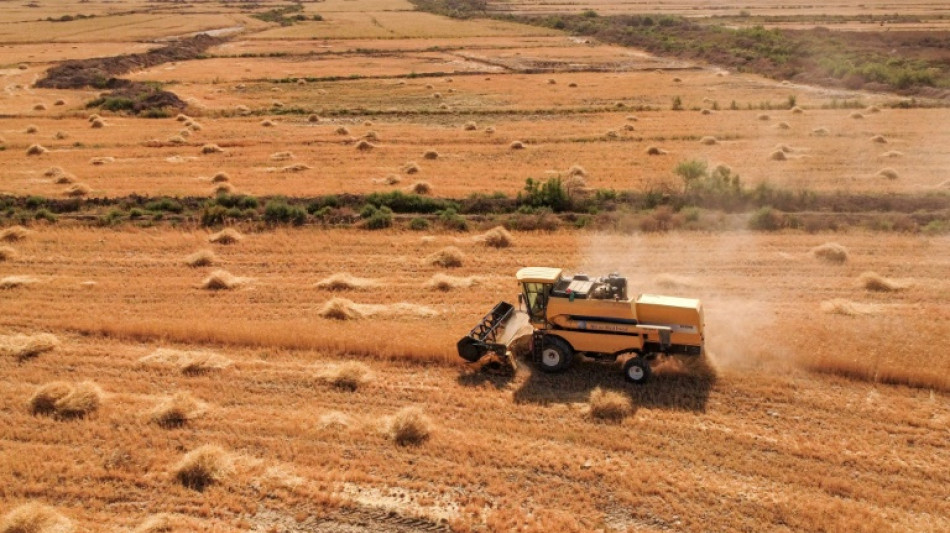
Why record wheat prices are a global worry / Photo: © AFP

 Alex Bodi and Prof. Dr Stefan Haupt agree to collaborate on a legendary art collection in Romania

 Stocks dip, oil rises as traders eye chances of Iran deal

 Israel squeezing UN Palestinian refugee agency ahead of polls: chief

 Dutch to resume Eurovision with new broadcaster
 Man Utd losses jump despite record revenues

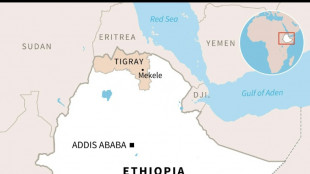 Ethiopia's Tigray rebels seize airports, clash with govt forces
 China prodigy wins third Games gold as North Korea weightlifters roar

 China's Yu, 13, wins third Asian Games gold but has 'some regrets'
 Oil falls, stocks steady as Trump hails 'good' Iran talks

 UK sets up unit to combat disinformation from Russia, AI

 ICC convicts C.Africa rebel leader

 China's Yu, 13, wins third gold with latest Asian Games record
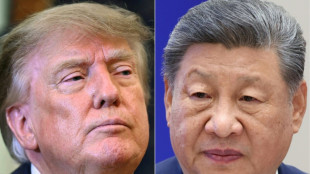
 UK says will revisit Chagos deal after latest Trump criticism

 In first, French presidential candidate gives birth during campaign

 Cambodia no 'safe haven' for cyberscams, PM says
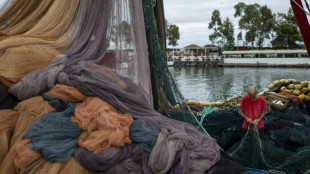
 North Korea weightlifter sets three world records for Asian Games gold

 A Full Moon for Every Child: STARTRADER's STARCARES Brings Support to SOS Children's Village Ho Chi Minh City

 Meta leans into AI, smart glasses amid privacy pushback
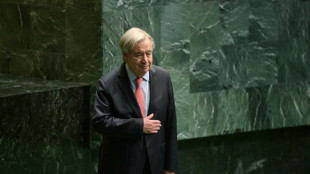
 Battered Duerer masterpiece up for five-year revamp

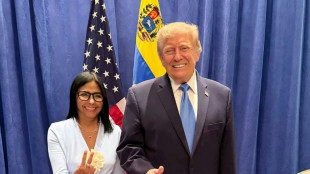 Trump met with Venezuela's interim leader at UN

 Malaysia furore after Najib wins conditional house arrest

 Italy hope for new dawn under Mancini

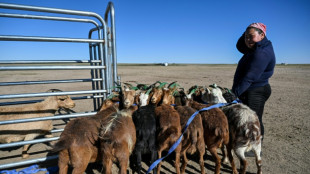 Mongolian herders enlist new tech against harsher, drier climate
 Tata turmoil shines light on India succession woes

 World Cup 'not enough' as Spain begin next chapter

Consumed daily by billions of people around the world in bread and other flour-based products, wheat is a basic food staple, making current record prices for the cereal a global concern.
Low rainfall or droughts in major producing countries were already causing worries before Russia's invasion of Ukraine in February sent markets soaring.
Since then, wheat-exporting powerhouse Ukraine has struggled to sell and sow its crops, putting consumers in poor countries at risk of poverty and even famine
Sebastien Abis, head of the Demeter agricultural think tank in Paris and an expert at the Institute for International and Strategic Relations, explains what's at stake:
- Is it possible to replace wheat with something else? -
"It's very difficult. Wheat is the most important cereal for global food security: it is eaten by billions of humans in the form of bread, flour or semolina.
"Corn is grown in larger quantities but is mostly used for animal feed or for industrial purposes.
"Beyond its nutritional qualities, wheat is a very social and democratic product, enabling people to make low-cost food -- and it is often subsidised."
"Yes, because of shortages and because you can't produce it just anywhere. You can grow it in temperate climates, but there are only a dozen countries that produce a lot and can export it, particularly Russia, Ukraine, the United States, Australia.
"In recent years, the United States has produced less and less because they are switching to corn and soya . After the Soviet period, the two countries that surged ahead were Ukraine and Russia.
"Ukraine accounted for 12-13 percent of global exports in recent years."
"We have at the same time a dreadful geopolitical situation, with multilateralism faltering, to which we must add worrying climatic events, with droughts in the southern Mediterranean basin, worries in the United States and in Europe.
"India, which had an exceptional harvest last year and reserves that enabled it to sell more on the markets, has been hit with a terrible drought and will not be able to export.
"Prices that were already high before the war are now exploding: wheat reached 440 euros ($463) a tonne on the Euronext market on Monday."
"India had announced a rather ambitious target of exporting 10 million tonnes. It had sold around 3-3.5 million tonnes before it put its export ban in place, so one of the questions is whether it will honour its commitments.
"The situation is tense because there's no country that can put more than usual into the export market. Perhaps Russia will if it has a good harvest.
"But even if the war stopped, Ukraine's production and exports will not bounce back immediately."
"We have real long-term risks. We still haven't seen all the shocks, because on global markets for the last two months we've been seeing fulfilments of contracts signed before the Russian invasion. We're now entering the hard part."
"For wheat, we have around 270 million tonnes for a planet that consumes around 800 million a year. Around half are in China which has one year's consumption in reserve. Excluding China, cereal stocks are at their lowest level in 25 years.
"We need international solidarity and cooperation. We can't leave countries to struggle on their own for food security but at the same time you can't be surprised that some countries are looking out for themselves first and foremost.
"We need to produce everywhere where we can produce, notably in Africa. But for that we need peace and security".
L.Janezki--BTB