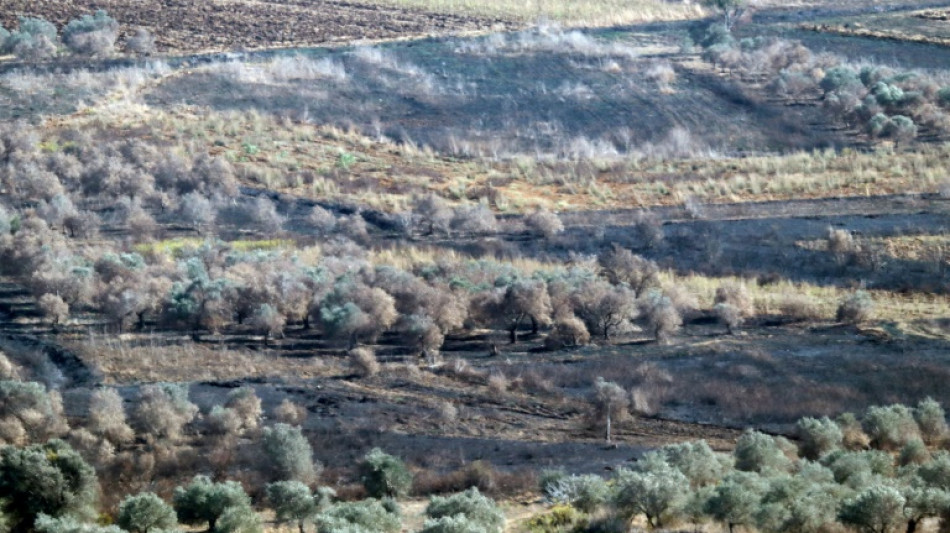
'War ruined me': Lebanon's farmers mourn lost season / Photo: © AFP

 Helen Mirren delves into Patricia Highsmith's mind in 'A Talent for Murder'
 Sanders, Bannon warn of AI dangers in rare US left-right alignment
 US Senate crypto bill collapses amid partisan deadlock

 Raptors confirm Leonard return after Clippers salary cap scandal

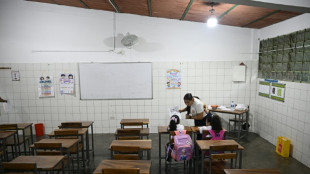 Empty benches as schools reopen in Venezuela's quake-hit Guaira

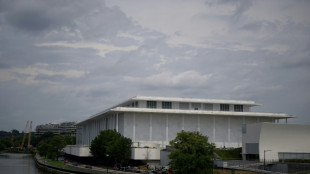 US judge rules Trump's name must remain off Kennedy Center
 Samson fires India to T20 series win over Afghanistan

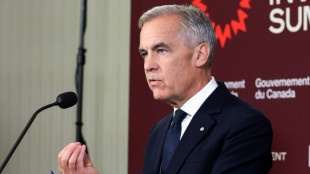 Carney sells Canada to global investors but says US ties still key

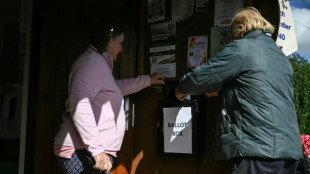 Tiny English village holds 'independence' vote over asylum seeker housing

 Trump slams Supreme Court over 'horrible' mail-in ballot ruling

 Protesting shepherds, farmers clash with Romanian police

 Saudi, Egypt demand open Red Sea, as Riyadh vows to hit back against Houthis

 Foundation Lets Ledger Users Switch to Open Source Without Starting Over

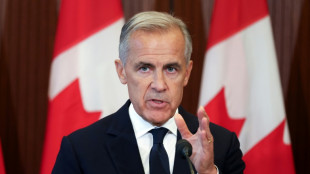 Canada remains 'most important partner' for US in 'key areas': Carney

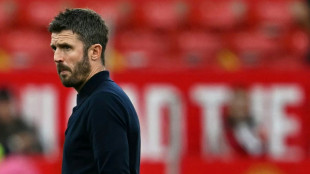 Carrick urges Man Utd to use derby pain as fuel against Brighton

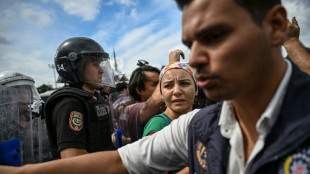 Turkey police detain dozens over pro-LGBTQ Istanbul rally

 'Kenya's moment' as Nairobi to host 2029 world athletics champs in African first

 China warns against space 'battlefield' after US says weapons deployed

 Denmark says Russian frigate fired flares at helicopter
 EU to propose curbing social media, online games for under 15s

 FX Junction Reaches 40,600 Members and 26 Million Trades

 Prominent Greek neo-Nazi exits prison, vows return to politics
 'Obsessed': explosive state crime inquiry grips South Africa

 Sri Lanka's javelin champ returns to 'broken' welcome
 Lake Energy Secures $80 Million for U.S. Renewable Energy Expansion
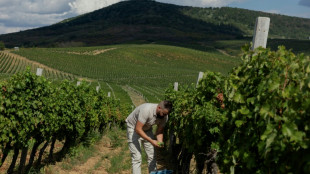
Lebanese farmer Abu Taleb briefly returned to his orchard last month to salvage an avocado harvest but ran away empty handed as soon as Israeli air raids began.
"The war broke out just before the first harvest season," said Abu Taleb, displaced from the village of Tayr Debba near the southern city Tyre.
"When I went back in mid-October, it was deserted... it was scary," said the father of two, who is now sheltering in Tripoli more than 160 kilometres to the north and asked to be identified by a pseudonym because of security concerns.
Abu Taleb said his harvesting attempt was interrupted by an Israeli raid on the neighbouring town of Markaba.
He was forced back to Tripoli without the avocados he usually exports every year.
Agricultural regions in Lebanon have been caught in the crossfire since hostilities between Israel and Hezbollah ramped up in October last year, a full-scale war breaking out on September 23.
The UN's agriculture agency, FAO, said more than 1,909 hectares of farmland in south Lebanon had been damaged or left unharvested between October last year and September 28.
The conflict has also displaced more than half a million people, including farmers who abandoned their crops just when they were ready to harvest.
Hani Saad had to abandon 120 hectares of farmland in the southern region of Nabatiyeh, which is rich in citrus and avocado plantations.
"If the ceasefire takes place within a month, I can save the harvest, otherwise, the whole season is ruined," said Saad who has been displaced to the coastal city of Jounieh, north of Beirut.
When an Israeli strike sparked a fire in one of Saad's orchards, he had to pay out of his own pocket for the fuel of the fire engine that extinguished the blaze.
His employees, meanwhile, have fled. Of 32 workers, 28 have left, mainly to neighbouring Syria.
- 'Worst phase' -
Israeli strikes have put at least two land crossings with Syria out of service, blocking a key export route for produce and crops.
Airlines have suspended flights to Lebanon as insurance costs soar.
This has dealt a deadly blow to agricultural exports, most of which are destined for Gulf Arab states.
Fruit exporter Chadi Kaadan said exports to the Gulf have dropped by more than 50 percent.
The supply surplus in the local market has caused prices to plummet at home, he added.
"In the end, it is the farmer who loses," said Saad who used to earn $5000 a day before the war started.
Today, he barely manages $300.
While avocados can stay on the tree for months, they are starting to run out of water following Israeli strikes on irrigation channels, Saad said.
Citrus fruits and cherimoyas have already started to fall.
"The war has ruined me. I spend my time in front of the TV waiting for a ceasefire so I can return to my livelihood," Saad told AFP.
Gaby Hage, a resident of the Christian town of Rmeish, on the border with Israel, is one of the few farmers who decided to stay in south Lebanon.
He has only been able to harvest 100 of his 350 olive trees, which were left untended for a year because of cross-border strikes.
"I took advantage of a slight lull in the fighting to pick what I could," he told AFP.
Hage said agriculture was a lifeline for the inhabitants of his town, which has been cut off by the war.
Ibrahim Tarchichi, president of the farmers' union in the Bekaa Valley, which was hit hard by the strikes, believes that agriculture in Lebanon is going through the "worst phase" of its recent history.
"I have experienced four wars, it has never been this serious," he said.
B.Baumann--VB