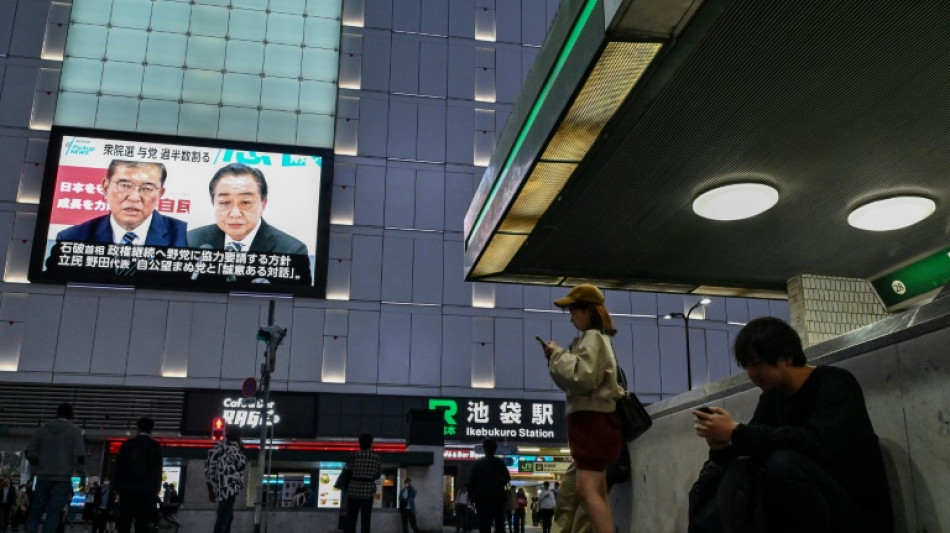
Worries for Japan economy after election shock / Photo: © AFP

 Hashim Thaci: From 'George Washington of Kosovo' to Hague convict

 Amnesty says Iran committed 'crimes against humanity' in crackdown on 2022 protests

 EU to ban social media for under 13s, curb access until 15

 Philippines ex-leader Duterte makes first appearance at ICC
 EU chief pitches 'associate member' status for Canada

 English village votes to 'secede' from UK over asylum centre plan

 Wildfires push endangered Sumatran elephants to brink: Indonesian NGO

 Stocks head higher as traders prepare for Fed decision

 English village votes to 'secede' from UK over asylum centre

 Hong Kong unveils plan to align economy with China's goals
 Brazilian voters the latest to eye Bukele security model with envy

 EU chief hosts Canada's Carney in push to 'deepen' alliance

 EU chief to unveil social media, gaming curbs for under-15s
 Saudi says Houthis target Mecca, warn of 'red line'

 Asian stocks stutter as traders prepare for Fed decision

 US touts its power, avoids Iran war at G20 Energy meeting

 Dead animals, barren fields, and hunger - El Nino chokes Central America
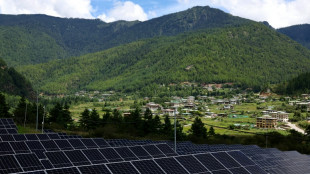 In hydropowered Bhutan, solar starts to rise

 Brazil's Supreme Court clashes over handling of probe involving judge

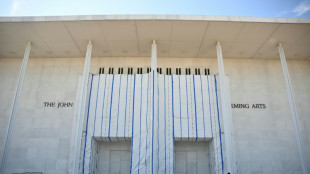 Trump threatens to keep Kennedy Center shut if his name not added

 i-payout Expands U.S. Money Transmitter Licensing Footprint and Advances European EMI Strategy

 Artists exit Sheeran tour in solidarity with Macklemore pro-Palestinian comments

 Espi saves Real Madrid with late winner at Elche

 Liverpool pile on misery for Spurs in League Cup, Dowman dazzles for Arsenal

 Trump blasts Supreme Court justices over 'horrible' mail vote ruling

Political uncertainty after Japan's election shock risks slowing economic reforms, pushing up government spending and even holding up the Bank of Japan's exit from its outlier monetary policy, economists said.
Post-war Japan has long been a byword for political stability with the conservative, market-friendly Liberal Democratic Party (LDP) in power for all but four of the last 69 years.
But the LDP-Komeito coalition lost its majority on Sunday, likely forcing Prime Minister Shigeru Ishiba into a minority government that would need support from other parties to pass legislation.
Businesses and economists worry that as concessions to other parties, Ishiba, 67, will offer tax cuts and higher spending, and go slow on reforms needed to improve Japan's competitiveness.
Since 2021 "the country has had three prime ministers and Ishiba probably won't last very long in office, either", predicted Marcel Thieliant at Capital Economics.
"That means that sweeping reform projects are unlikely," he said -- changes that were already "few and far between" in the past decade.
Syetarn Hansakul from the Economist Intelligence Unit also anticipated a "dilution of (the LDP's) reform agenda", which included plans to increase spending on defence and social welfare.
In addition to investor sentiment, this will "dent confidence among households and businesses. Domestic demand recovery could suffer as a result," she said.
Ishiba has promised more support for households, to accelerate wage increases and help revitalise rural areas, but some opposition parties want more.
The Democratic Party for the People (DPP), a potential kingmaker, wants energy subsidies for consumers and lower taxes for part-time workers.
But while aimed at reducing worker shortages in ageing Japan, this would also reduce the government's tax revenues.
Japan already has one of the world's highest debt-to-output ratios at around 250 percent of gross domestic product.
Media reports suggest that Ishiba will issue a new economic policy package next month and plans to include some proposals from the DPP.
"(Although) Ishiba appears to appreciate fiscal discipline, he will likely continue to compromise and refrain from discussing additional revenue measures even though they are important in the long run," said Shigeto Nagai at Oxford Economics.
The Japan Business Federation, or Keidanren, urged parties to overcome differences and concentrate on growing the economy.
"Japan cannot afford the luxury of delay in addressing these issues," the head of the Japan Association of Corporate Executives said.
All parties should "face the reality of the situation, engage in thorough discussions, and move forward with the necessary policies", he said.
- Cautious about rate hikes? -
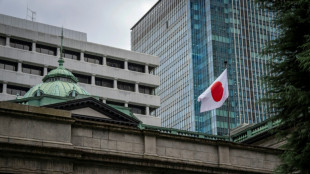
Another uncertainty is the Bank of Japan (BoJ) which only this year has cautiously begun moving away from an ultra-loose monetary stance and towards greater alignment with other central banks.
Before being appointed LDP leader, Ishiba openly backed this continuing but after the yen surged and stocks tumbled following his appointment he rowed back.
The BoJ was expected to stand pat on borrowing costs at its regular meeting on Thursday but most economists expect the next move upwards in December.
Many in the opposition though want a pause in order to avoid higher interest rates for consumers and businesses, even if this means a weaker yen and with it higher import prices.
Higher interest rates will also make servicing Japan's colossal debts more expensive.
"Becoming desperate to win the Upper House election next year, the Ishiba administration could become more cautious about the pace of rate hikes," Nagai said.
But Masamichi Adachi at UBS said he still expects a hike in December.
"It is true that if financial markets remain volatile the BoJ is unlikely to raise the rate, but we think political instability will settle once a new government is formed, at least for the time being," Adachi said.
F.Mueller--VB