-
 Barcelona hit seven in Racing Santander rout
-
US Fed raises rates to tackle 'too high' inflation, irking Trump
-
 Amorim's Milan beaten by Benfica, Sunderland make dream European return
-
Man Utd misery mounts after League Cup collapse against Brighton
-
 US stocks fall, dollar gains after Fed lifts interest rates
-
Turkey releases 106 protesters, jails more LGBTQ activists

-
 Seahawks rule out Darnold for Sunday game at Arizona
-
US Fed raises rates to tackle 'too high' inflation in move sure to rile Trump
-
 Mbappe explains Ceuta shirt stance after criticism
-
England were 'waiting for death' in World Cup semi-final defeat: Tuchel
-
 Improving Atletico cruise to comfortable win over Osasuna
-
NFL star fined for displaying name of slain Palestinian girl

-
 Candidate for UN chief calls for AI regulation akin to nuclear weapons
-
Witsel retires from internationals after 18-year Belgium career

-
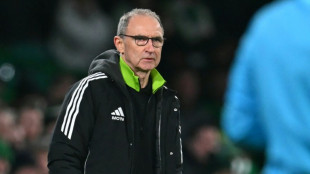 O'Neill expects Celtic recovery after Old Firm misery
-
US Fed raises rates to battle inflation in move likely to rile Trump
-
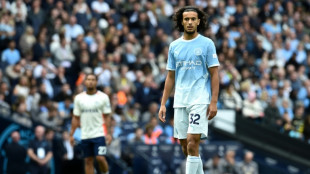 Man City midfield trio backed to emulate Rodri and Silva
-
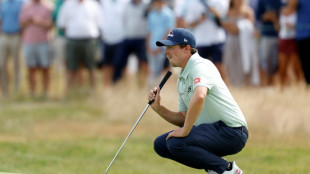
Fitzpatrick 'not comfortable' over Dubai golf finale
-
 'We're losing control,' AI pioneer Yoshua Bengio tells AFP
-
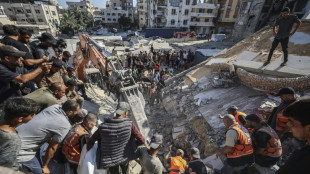
Gaza apartment block collapse kills 21, including 12 children
-
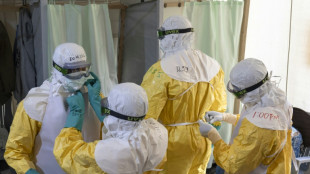 WHO eyes 'encouraging' signs in DRCongo fight against Ebola
-
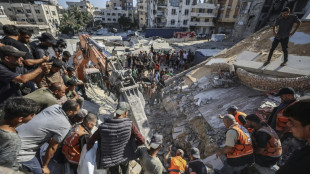
Gaza apartment block collapse leaves 21 dead
-
 Liga boss criticises Real Madrid trio for Ceuta shirt incident
-
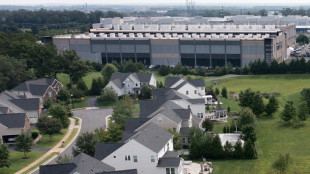
US House targets data centers as midterm backlash grows
-
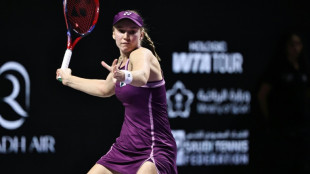 WTA Finals moved to Charlotte from 2027
-
French ex-minister Dati goes on trial in Renault-Nissan corruption case

-
 Almost 8,000 excess deaths in France's scorched summer: statistics
-
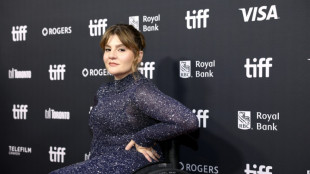
'Being Heumann' captures joy in fight for disability rights
-
 Ex-president's lengthy war crimes sentence shocks Kosovo
-
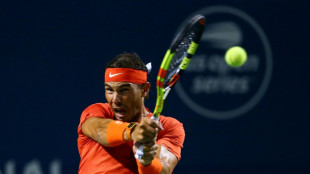
Retired great Nadal to play in exhibition matches
-
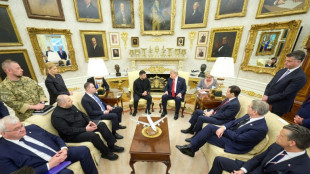 US House faces test on sweeping Russia sanctions bill
-
IR-MED and Dice Technologies Announce collaboration to Evaluate and Advance Pressure-Injury Prevention Platform in Japan

-
 British PM says to make 'difficult decisions' as inflation rises
-
Watts, Pitt, Cruz to light up Spain's top film festival

-
 TotalEnergies pumps up controversy in France with cut-price gas
-
Sweden expels Iran embassy employee over anti-Jewish threats
-
 Global fuel price demos: a round-up
-
Toogood Gold's Table Mountain Sits in the Shadow of a Nevada Gold Rush

-
 Leverate Launches MCP for Traders to Connect AI Assistants With Trading Platforms
-
MEXC July–August Security Report: 38.66M USDT in Risk Funds Intercepted, Futures Insurance Fund Hits 792M USDT

-
 MEXC Launches $1M "Discover Your Wall Street DNA" Campaign to Help Traders Find Their Market Fit
-
'Breathing toxin every day': Indonesians choked by haze feel helpless

-
 Emporio Armani names Dario Vitale new creative director
-
Stocks edge higher ahead of US Fed rate call
-
 Maresca defends VAR officials after Man City benefit from error
-
Philippines ex-leader Duterte makes first in-person ICC appearance
-
 Courts jails LGBTQ activists as Turkey crackdown widens
-
2027 Formula One calendar includes Monaco sprint race
-
 French court to hear Depardieu's appeal against rape trial order: sources
-
Palestinians are the real victims, Thunberg tells Ed Sheeran

Russia hikes interest rates to 20-year high
Russia's central bank hiked interest rates to 21 percent on Friday, taking borrowing costs to their highest level in more than two decades as Moscow's Ukraine offensive has triggered rapid price rises at home.
The increase takes rates above an emergency level introduced in February 2022 -- just after Moscow ordered troops into Ukraine -- to their highest since 2003, with the regulator battling to stem the economic fallout of the conflict.
But despite the high inflation and Western hopes sanctions would cripple the Russian economy, the Kremlin is set to ramp up military spending yet again next year and analysts say Moscow has enough money to keep fighting in Ukraine for the foreseeable future.
Governor Elvira Nabiullina said the pace of price rises -- running at an annual rate of 8.6 percent in September -- was not slowing and that further rate rises may be necessary.
"Firstly, inflation. In general, we do not see any signs of it slowing down," she told reporters in Moscow.
"To contain accelerating price growth, we will need much tighter monetary policy over the next year," she added.
Without mentioning the Ukraine offensive, the bank directly blamed high government spending for pushing inflation higher.
"Additional fiscal spending and the related expansion of the federal budget deficit in 2024 have pro-inflationary effects," it said in a statement announcing the rate rise.
The bank also said it would not be able to bring inflation back to its 4.0-percent target until at least 2026.
- Growth boom, inflation woes -
Stubborn inflation, a volatile currency and historically high borrowing costs over the last two years have not deterred the Kremlin from ramping up spending on the military campaign.
Russia has more than $300 billion in reserves that have not been frozen by the West, a low debt-to-GDP ratio of around 15 percent and is pushing through major tax rises next year to help cover a deficit.
Lawmakers voted Thursday to increase military expenditure by almost 30 percent to around $145 billion in 2025.
Combined spending on defence and security is set to account for 40 percent of Russia's total budget.
The spending boom has powered the economy, with the International Monetary Fund this week raising its growth forecast for Russia in 2024 to 3.6 percent.
But it has also triggered domestic headwinds.
Hundreds of thousands of men have been called up to fight, fled the country or been recruited by the booming domestic arms industry -- leading to a cycle of spiralling wages and prices that the central bank has warned undermines stability.
Nabiullina acknowledged Friday that higher interest rates were having a less "pronounced" impact in cooling the "overheating" economy, in part due to the government's spending boom.
The Kremlin tasks the central bank with managing the domestic fallout of the Ukraine offensive, and permits it a degree of operational independence.
Nabiullina, a former Putin aide who is highly respected in Moscow and had won plaudits in the West before the conflict, has softly criticised the government's economic policies, while being cautious not to comment on the offensive itself.
- BRICS setback -
Russia's official borrowing costs have not been above 20 percent since 2003.
They regularly topped 100 percent throughout the 1990s, a decade of economic volatility and hardship following the collapse of the Soviet Union.
The first years of President Vladimir Putin's rule in the 2000s saw an oil-led boom and rising wealth.
But his conflict in Ukraine has threatened Moscow's future prosperity, cutting it off from lucrative Western export markets and much of the global financial system.
Putin had hoped to advance plans for alternative international payment systems at the BRICS summit in Kazan this week, the largest diplomatic gathering in Russia since the start of the offensive.
But speaking at the summit Thursday, he indicated international payments were one of the "key problems" Russia faced and said the group was not creating an alternative to the Belgium-based SWIFT financial messaging system.
The exclusion of some Russian banks from SWIFT due to Western sanctions has made it difficult for Russia to conduct trade.
T.Ziegler--VB