-
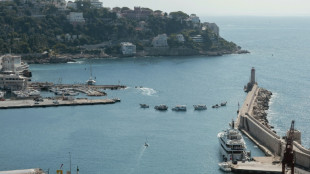 French fishermen block ports over petrol prices
-
AtlasClear Holdings Reports Preliminary Fiscal 2026 Revenue of Approximately $20.1 Million, Up 85%; Revenue Plus Interest Income of Approximately $21.9 Million

-
 AFP photo shows Trump examining image of Kennedy Center apparent demolition
-
Alonso says Chelsea ambition clear after end of Boehly era

-
 Andersson vows to take Sweden in 'new direction' after election win
-
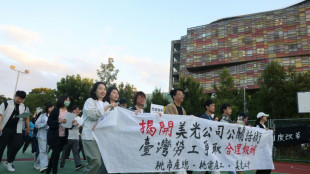
Micron's Taiwan workers say 68 months' bonus not enough
-
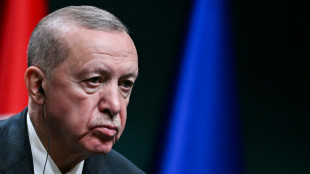 Turkey's Erdogan to run again in early 2028 vote, top adviser says
-
'Another arrow to the quiver': World Bank posts record private capital mobilization
-
 Sweden's Andersson: a trusted, no-nonsense political operator
-
Macron hosts Lebanon security talks as UN mission nears end

-
 Canada's Carney pushes 'new alliance' with EU despite Trump threats
-
From land to race laws: what's driving the US-South Africa rift?
-
 Ireland to boycott Eurovision 2027 over Gaza
-
Beyond Investment Returns: Families Are Measuring Wealth by Freedom, Continuity, and Legacy, According to Nour Private Wealth

-
 India's Tata Sons reappoints N. Chandrasekaran as chairman
-
King Charles disputes claims in book by Princess Diana's brother

-
 Sweden's left-wing wins election thriller
-
Real Madrid fan group wants Mbappe apology over Ceuta shirt snub

-
 Germany urges EU action against China to defend carmakers
-
Nepal floods among 'most challenging' disasters: WFP
-
 Stocks mostly rise after US Fed rate hike, oil eases
-
Doubts as Italy eyes electric future for steel plant
-
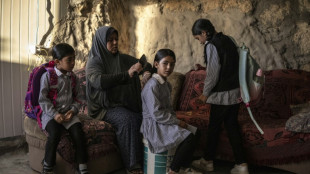 Palestinians turn rugged caves into homes after Israeli demolitions
-
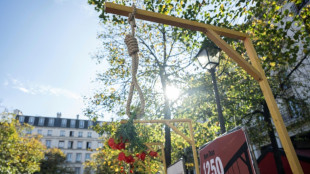
'One of the kindest people': Taraneh, 21, facing execution in Iran
-
 Two unseen Monet paintings to be sold in Paris: auction house
-
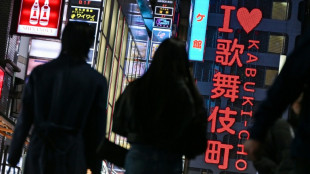
Japan eyes changing prostitution law to punish sex buyers
-
 Klopp wants German team to help reclaim national pride from far-right
-
After record rain, typhoon threatens new challenge to Asian Games

-
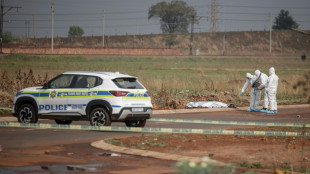 Ninth woman found dead in South Africa killing spree
-
Kids and social media: what would change under new EU law
-
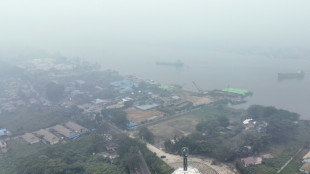 Smog scuppers Japan force helping fight Indonesia wildfires
-
Modi pitches India as global chipmaking hub
-
 King Charles to call on tech giants for 'reassurances' over AI
-
Ukraine plans record defence spending in 2027

-
 Lebanon security talks in Paris focus on replacing UN mission
-
Klopp calls up 44 players in huge first Germany squad
-
 Most stocks rise as Fed hikes and oil prices drop
-
STARPRIME Responds to Diverging Gold Market Demand with AM/PM Fixing and XAU24/7

-
 'Vande Mataram': Why is India's freedom song in spotlight?
-
Ukrainian fashion designer debuts art between air raids

-
 Counterculture pop artist Peter Max dies at 88: US media
-
Gambian businesses struggle under prolonged blackouts
-
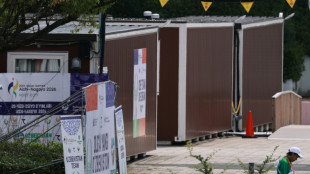 Asian Games chief defends 'functional' rooms after backlash
-
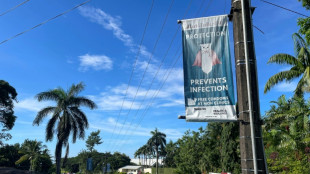
Fiji declares national HIV crisis
-
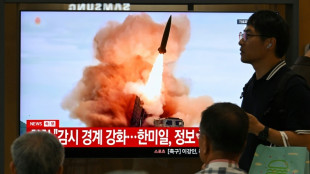 Leader's sister says only 'idiots' think N. Korea to give up nukes
-
Australia to cut migration to fix housing crisis: minister
-
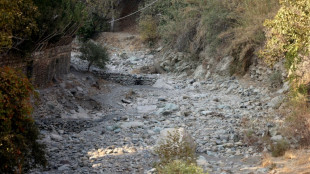 World's water cycle becoming more unpredictable, UN warns
-
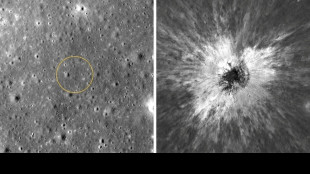
NASA scan discovers new, 'once in a century' Moon crater
-
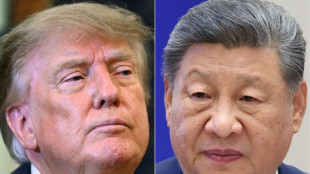 Where the US-China tariff row stands ahead of White House summit
-
Most stocks rise as Fed hikes and indicates drive to curb inflation
Blackout drags on for second day in Cuba
Cuba remained without electricity Saturday as a nationwide power outage dragged on for a second day.
At dawn, most neighborhoods in Havana were dark, except for hotels and hospitals with emergency generators and the very few private homes with that kind of backup in this economically challenged island nation that has grown accustomed to periodic power outages.
The capital Havana came to a virtual standstill Friday at midday as schools closed, public transport ground to a halt and traffic lights stopped functioning.
The power grid collapsed in a chain reaction due to the unexpected shutdown of the Antonio Guiteras power plant, the biggest of the island's eight decrepit coal-fired power plants, said the head of electricity supply at the energy ministry, Lazaro Guerra.
The national electric utility UNE said that on Friday night it had managed to generate a minimal amount of power to get those plants running again and start to bring things back to normal.
But at 6:15 a.m. "a new, total disconnection of the electrical grid occurred," said the official news outlet Cubadebate.
"Everything is very difficult. For almost a day we have had this blackout that makes life so hard for us," said Yaima Vallares, a 28-year-old dancer.
"I am trying to remain calm because there is too much stress over everything in this country," she told AFP.
Isabel Rodriguez, 72, said shorter outages were common in Cuba and her house often had no water. "Believe me, it is hard to live like this."
The blackout followed weeks of power outages, lasting up to 20 hours a day in some provinces, which prompted Prime Minister Manuel Marrero on Thursday to declare an "energy emergency."
The government on Thursday suspended all nonessential public services in order to prioritize electricity supply to homes.
Schools across the country have now been closed until Monday. Authorities in Havana said hospitals and other essential facilities, which are powered by generators, would remain open.
"This is crazy," Eloy Fon, an 80-year-old retiree living in central Havana, told AFP on Friday.
"It shows the fragility of our electricity system... We have no reserves, there is nothing to sustain the country, we are living day-to-day."
- 'They've messed up' -
For three months, Cubans have been battling chronic blackouts as they became longer and more frequent.
President Miguel Diaz-Canel said on X Friday that the government would "not rest" until the lights were back on.
He blamed the situation on Cuba's difficulties in acquiring fuel for its power plants, which he attributed to the tightening, during the Donald Trump presidency, of a six-decade-long US trade embargo.
- Worst crisis in 30 years -
Cuba is in the throes of its worst economic crisis since the collapse of the Soviet Union, a key ally in the early 1990s -- marked by sky-high inflation and shortages of food, medicine, fuel and even water.
With no relief in sight, many Cubans have emigrated.
More than 700,000 entered the United States between January 2022 and August 2024, according to US officials.
While the authorities chiefly blame the US embargo, the island is also feeling the aftershocks of the Covid-19 pandemic battering its critical tourism sector, and of economic mismanagement.
To bolster its grid, Cuba has leased seven floating power plants from Turkish companies and also added many small diesel-powered generators.
In July 2021, blackouts sparked an unprecedented outpouring of public anger.
Thousands of Cubans took to the streets shouting, "We are hungry" and "Freedom!" in a rare challenge to the government.
One person was killed and dozens were injured in the protests. According to the Mexico-based human rights organization Justicia 11J, 600 people detained during the unrest remain in prison.
In 2022, the island also suffered months of daily hours-long power outages, capped by a nationwide blackout on September 27 caused by Hurricane Ian.
L.Maurer--VB