-
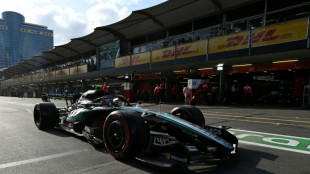 Antonelli 'mad' about crash in Azerbaijan qualifying
-
Concerns over 'missing' UK explorer Ranulph Fiennes
-
 'Perfect lap' gives Russell pole for Azerbaijan GP as Antonelli crashes out
-
Suspected Paris killer of Argentine rugby star begs forgiveness
-
 UN Security Council condemns Houthi attacks on Saudi Arabia
-
Oil prices fall on cautious hopes for US-Iran progress
-
 China swimmer makes Asian Games history as Thai wins 100m sprint
-
Noskova, Muchova take Czech Republic into BJK Cup final
-
 Top French literary prize drops best-selling novel over AI claims
-
Thai sprinter Puripol breaks own Asian Games record to win 100m gold

-
 US 'must choose' whether to end war: Iran president
-
Russell takes pole for Azerbaijan GP, Antonelli crashes out
-
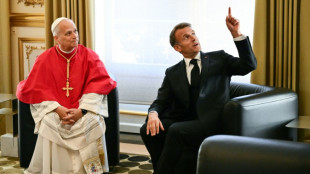 Pope warns against losing humanity in AI-driven 'paradise of machines'
-
Williams boss hails Chadwick as F1 inspiration for women
-
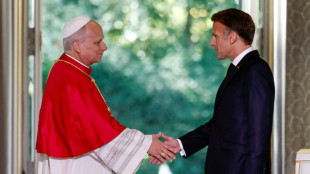 Pope warns against losing humanity in 'paradise of machines'
-
World No.1 Sinner delays return with China Open withdrawal

-
 From FBI warning to literary acclaim: the Russian journalist who took on Putin
-
South Lebanon children return to school destroyed by Israel strike

-
 China swimmer in Asian Games first as North Korea lifters reign
-
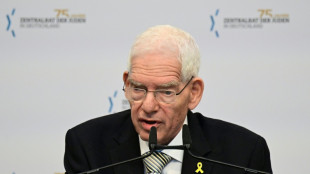
Jewish group urges Berlin far-left vote winners to tackle antisemitism
-
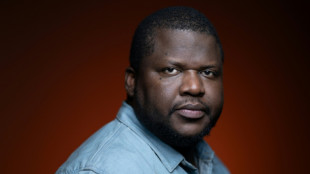 French literary prize removes novel from longlist after AI claims
-
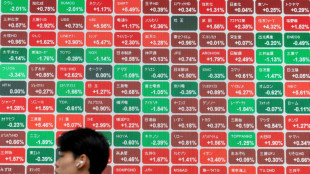
European stock markets climb as oil prices drop
-
 China's Zhang wins record seventh Asian Games swimming gold
-
Trump accuser E. Jean Carroll finally has her damages

-
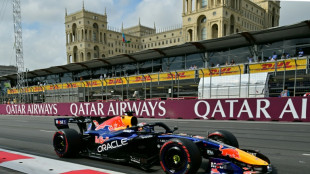 Verstappen edges Russell in final practice in Azerbaijan
-
Germany's Havertz, Musiala ruled out of Greece match with injury
-
 English, Spanish, Italian, German football leagues call for FIFA reform
-
Ireland's Gaza stance spills from Eurovision into football

-
 Pope arrives in France on first official visit in 18 years
-
Welcome aboard the Costa Serena, the Asian Games floating hotel

-
 Pope arrives in France on first state visit in 18 years
-
Asian markets mixed after recent oil surge
-
 Heavy fighting, internet disruption as Ethiopia conflict rages
-
Cash for nature protection: hotelier's offer to Principe islanders

-
 From transit to consumption: drug use surges in Mozambique
-
US miner KoBold bets on AI to gain edge in DR Congo mineral hunt
-
 Chicago teams, Guardians and Padres all book MLB playoff berths
-
Internet disrupted in Ethiopia as conflict rages

-
 Bijan Robinson destroys Packers in 35-14 win for Falcons
-
Asian markets mixed after oil gains
-
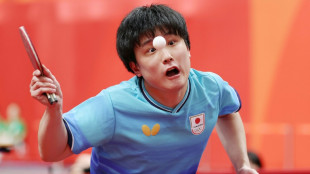 Harimoto hails new era as Japan dethrone table tennis kings China
-
'Genius' Ohashi bids for third Asian Games gold after world record

-
 India rape cases turn focus back onto women's safety
-
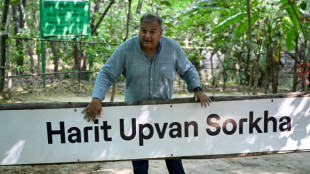
India's 'Tree Father' plants for a greener future
-
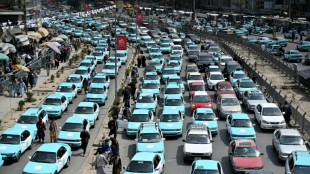 Rebellious Afghan taxi drivers defy ban on music
-
Hopping mad: New health warning stirs up Belgian brewers

-
 Brazil candidates mount digital armies for fierce online campaign
-
Canadian capital to rename 'Trump Ave'
-
 Nepal PM says floods 'a warning to the world' about climate change
-
Pope heads to France on first state visit in 18 years
Big Pharma push back on first Medicare drug price cuts
Major pharmaceutical companies lashed out following a landmark deal unveiled Thursday to cut the costs of 10 key medicines, with some saying the price-setting process was not transparent.
Their statements came after US President Joe Biden and Vice President Kamala Harris announced a deal to lower costs of the first 10 drugs picked for Medicare price talks.
The agreement with drugmakers -- who said they came on board with negotiations as they had no choice -- is set to save seniors in the United States $1.5 billion in out-of-pocket costs.
It is the result of months of negotiations and is anticipated to save Medicare $6 billion in the first year alone, said Biden, referring to the federal health insurance for seniors.
While the announcement is a likely boon for Democratic presidential candidate Harris as she works on her economic messaging ahead of November's election, pharmaceutical companies have long resisted the cuts.
The US government is initially limited to picking 10 drugs for price talks and can expand the program in subsequent years.
- 'Not objective' -
The agreements come on the back of the Inflation Reduction Act (IRA), a major package of energy transition policy and social reforms.
This allowed Medicare to start negotiating drug costs for the first time in its nearly 60-year existence.
Novartis, whose heart failure treatment Entresto is among the 10 selected medicines, pushed back against the price-setting process as "not objective or transparent."
"Novartis believes the price-setting provisions in the IRA are unconstitutional and will have long-lasting and devastating consequences," the company added in a statement.
It said it agreed to a "maximum fair price" only to "avoid other untenable options including catastrophic fines or the removal of all our products from both Medicare and Medicaid."
For the 10 selected drugs, discounts from 2023 prices range from 38 percent to 79 percent. The new costs will take effect in 2026.
Besides Entresto, the drugs include Farxiga by AstraZeneca used against diabetes, as well as anticoagulant Eliquis -- used by millions of Medicare beneficiaries.
AstraZeneca said in a separate statement that it accepted the price, as "walking away is not an option."
If a manufacturer refused to accept the price, access for Medicare and Medicaid patients could be compromised, it said.
- Patient costs? -
Companies also warned that patients could still face higher costs and argued that the deal undervalued their products.
Bristol Myers Squibb (BMS), which is behind Eliquis, cautioned that "insurance plans and their pharmacy benefit managers are ultimately responsible for what patients will pay."
"The IRA does not protect patients from potential increases to their cost sharing or restrictions in access" to Eliquis once the maximum fair price goes into effect in 2026, the company added.
CFRA analyst Sel Hardy, however, noted that BMS management seemed confident it could navigate the impact of the IRA on Eliquis.
A Johnson & Johnson spokesperson called the law arbitrary and lacking in scientific approach.
This "undervalues the benefit our medicines deliver to millions of patients," J&J said.
- 'Historic milestone' -
US residents face the highest prescription drug prices globally, leaving many people to pay partially out of their own pockets despite already exorbitant insurance premiums.
The new deal was reached after Democrats pushed for the government to be able to negotiate prices directly with drug manufacturers for federal health programs.
The White House said the agreement for lower prices is a "historic milestone."
"The vice president and I are not backing down," Biden said in a Thursday statement.
His comments came ahead of a first joint public event with Harris since she replaced him as the Democratic candidate in the upcoming election.
"We will continue the fight to make sure all Americans can pay less for prescription drugs and to give more breathing room for American families," he said.
Rising costs of living are a key issue for the 2024 election.
Last October, drugmakers behind the selected medicines for serious illnesses grudgingly agreed to negotiate on cutting prices.
D.Bachmann--VB