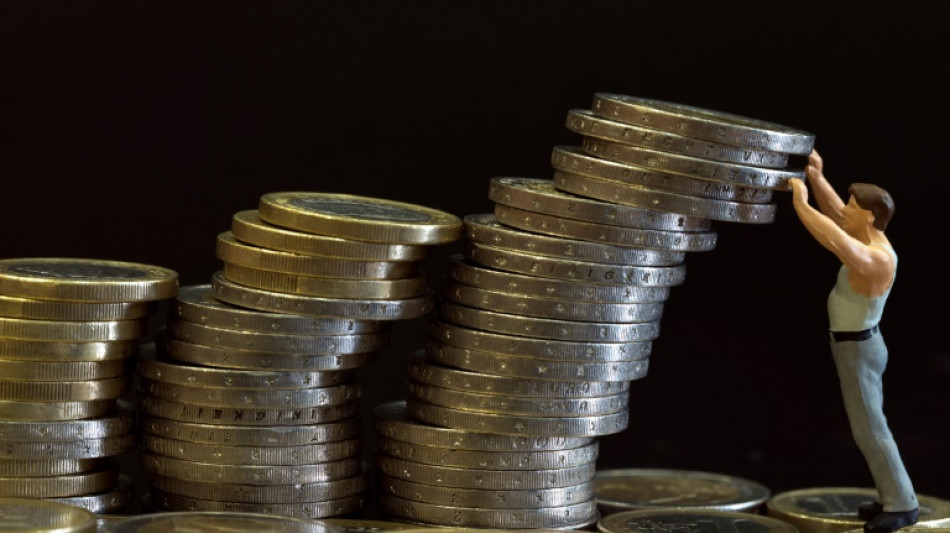
EU to warn France, Italy and more over unruly budgets / Photo: © AFP/File

 'Champion' Daryz wins second successive Arc in fine style

 Daryz wins second successive Prix de l'Arc de Triomphe

 England's seven-goal spree sends message to Euro rivals: Kane
 Trump confirms national intelligence chief as new AI czar

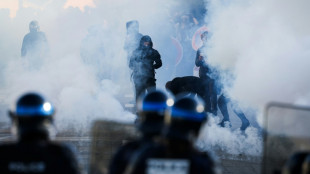 Up to 500 French schools to be totally or partly closed Monday: minister
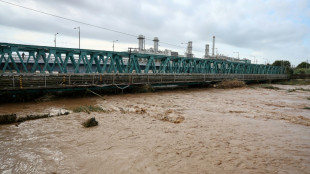
 Sydney Roosters edge Knights in tense NRL grand final

 Sabalenka out of China Open in third round, Medvedev into semis

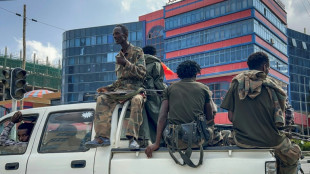 Ethiopia controls Tigray capital as regional rivals meet in Egypt

 Ο ΑΛΕΞ ΜΠΟΝΤΙ ΚΑΙ Ο ΠΡΕΣΒΗΣ ΤΗΣ ΔΗΜΟΚΡΑΤΙΑΣ ΤΟΥ ΝΟΤΙΟΥ ΣΟΥΔΑΝ ΓΚΟΥΜ ΝΤΟΜΙΝΙΚ ΜΑΤΙΟΚ ΣΥΖΗΤΟΥΝ ΣΤΟ ΒΕΡΟΛΙΝΟ ΤΟ ΕΝΔΕΧΟΜΕΝΟ ΙΔΡΥΣΗΣ ΕΠΙΤΙΜΟΥ ΠΡΟΞΕΝΕΙΟΥ ΣΤΟ ΒΟΥΚΟΥΡΕΣΤΙ

 Asian Games close in Japan after records, rancour and rain

 Pro-Europe Latvian PM wins poll dominated by Russia, social worries

 ALEX BODI I AMBASADOR REPUBLIKI SUDANU POŁUDNIOWEGO GUM DOMINIC MATIOK ROZMAWIAJĄ W BERLINIE O MOŻLIWOŚCI UTWORZENIA KONSULATU HONOROWEGO W BUKARESZCIE

 Iran tells US there is no military solution to Middle East war

 ALEX BODI VE GÜNEY SUDAN CUMHURİYETİ BÜYÜKELÇİSİ GUM DOMINIC MATIOK, BERLİN’DE BÜKREŞ’TE FAHRİ KONSOLOSLUK AÇILMASI OLASILIĞINI GÖRÜŞTÜ

 Future of French far-right star in balance after antisemitism claims

 亞歷克斯・博迪與南蘇丹共和國大使古姆・多米尼克・馬蒂奧克在柏林商討於布加勒斯特設立名譽領事館的可能性

 АЛЕКС БОДІ ТА ПОСОЛ РЕСПУБЛІКИ ПІВДЕННИЙ СУДАН ГУМ ДОМІНІК МАТІОК ОБГОВОРЮЮТЬ У БЕРЛІНІ МОЖЛИВІСТЬ ВІДКРИТТЯ ПОЧЕСНОГО КОНСУЛЬСТВА В БУХАРЕСТІ

 Germany's Merz in Kyiv for talks with Zelensky

 Asian Games set to close after records, rancour and rain

 Cry for help as French-Swiss lake dries up

 Sabalenka swept out of China Open in third round

 US urges 'restraint' as Ethiopia's Tigray crisis rocks region

 Teens on target again as USA down Mexico 3-0

 World records prove Asian Games were a hit, says top official

 US prison chief who oversaw botched execution resigns

The European Union is expected on Wednesday to rebuke nearly 10 governments, including France and Italy, over their excessive spending after new budget rules entered into force this year.
It comes at a particularly difficult moment for France, where both the far left and far right are piling up spending promises ahead of snap polls triggered by President Emmanuel Macron's crushing EU election defeat.
This will be the first time Brussels reprimands nations since the EU suspended the rules after the 2020 Covid pandemic and the energy crisis triggered by the Ukraine war, as states propped up businesses and households with public money.
The EU spent two years during the suspension overhauling the budget rules to make them more workable and give greater leeway for investment in critical areas like defence.
But two sacred goals remain: a state's debt must not go higher than 60 percent of national output, with a public deficit -- the shortfall between government revenue and spending -- of no more than three percent.
The European Commission will publish assessments of the 27 EU states' budgets and economies on Wednesday, and will likely point out that some 10 countries including Belgium, France and Italy, have deficits higher than three percent.
The EU's executive arm has threatened to launch excessive deficit procedures, which kickstart a process forcing a debt-overloaded country to negotiate a plan with Brussels to get back on track.
Such a move would need approval by EU finance ministers in July.
Countries failing to remedy the situation can in theory be hit with fines of 0.1 percent of gross domestic product (GDP) a year, until action is taken to address the violation.
In practice, though, the commission has never gone as far as levying fines -- fearing it could trigger unintended political consequences and hurt a state's economy.
- Break with the past -
The EU countries with the highest deficit-to-GDP ratios last year are Italy (7.4 percent), Hungary (6.7 percent), Romania (6.6 percent), France (5.5 percent) and Poland (5.1 percent).
They will "likely" face the excessive deficit procedures, alongside Slovakia, Malta and Belgium, which also have deficits above three percent, according to Andreas Eisl, expert at the Jacques Delors Institute.
The picture is complicated for three other countries, Eisl said. Spain and the Czech Republic exceeded the three percent limit in 2023 but should be back in line this year.
Meanwhile, Estonia's deficit-to-GDP ratio is above three percent but its debt is around 20 percent of GDP, significantly below the 60 percent limit.
The commission will look at the states' data in 2023 but "will also take into account the developments expected for 2024 and beyond", the expert told AFP.
Member states must send their multi-annual spending plans by October for the EU to scrutinise and the commission will then publish its recommendations in November.
Under the new rules, countries with an excessive deficit must reduce it by 0.5 points each year, which would require a massive undertaking at a moment when states need to pour money into the green and digital transition, as well as defence.
Adopted in 1997 ahead of the arrival of the single currency in 1999, the rules known as the Stability and Growth Pact seek to prevent lax budgetary policies -- a concern of Germany -- by setting the strict goal of balanced accounts.
R.Fischer--VB