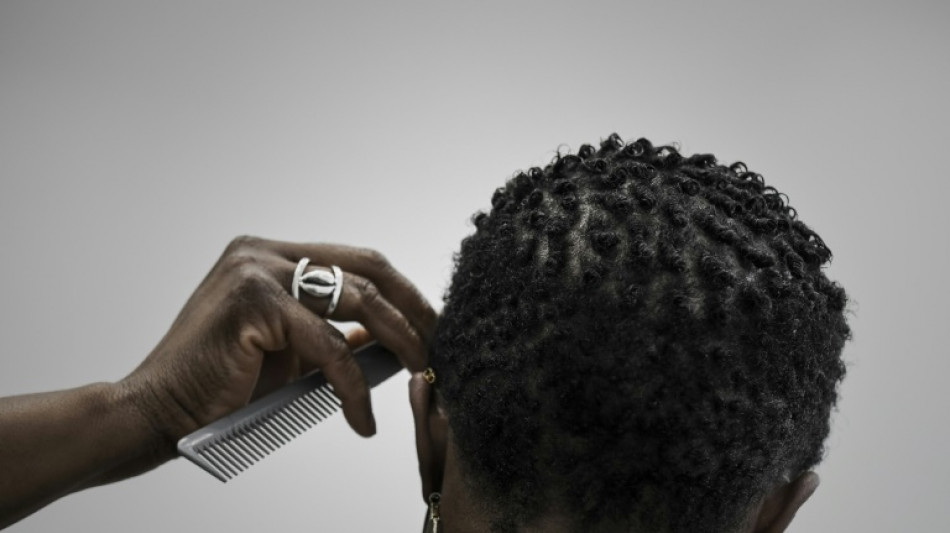
US Congress moves to ban discrimination of race-related hairstyles / Photo: ©

 Jimmy Carr Confirms 25-Year Estrangement From Father Amid Podcast Reflections

 Arizona Superintendent Tom Horne to Leave Office, Plans Law Practice and Charter School

 Japan and Peru Mark 150 Years of Diplomatic Ties Amidst Trade and Investment Talks

 Ian Jackson Scores Game-High 22 Points After Rick Pitino's Prank Suspension

 Khan Welcomes Milburn’s Youth Employment Reforms Amid High NEET Rates

Afros, braids, dreadlocks: the US House of Representatives on Friday voted to ban discrimination based on hairstyles associated with a particular race or national origin.
The bill, which now moves to the Senate, explicitly aims to protect Black Americans who have been forced to cut their hair or style it in a certain way while at school or work.
"As a Black woman who loves my braids, I know what it's like to feel isolated because of how I wear my hair," said Cori Bush, a Black representative from Missouri, just before the vote.
Numerous instances of this kind of discrimination have risen to public attention in the United States.
In late 2019, a Black teen in Texas was suspended from school and threatened with expulsion if she did not cut her dreadlocks, which officials had deemed too long.
Her case provoked a heated national debate over systemic racism in schools.
Another case occurred in December 2018, when a referee forced a Black wrestler to cut his hair or face disqualification, arguing that his hairstyle was against the rules.
Opponents of the bill, like the Republican Jim Jordan, accused Democrats of "avoiding the issues the American people care about," like inflation and the soaring cost of gasoline.
"I believe we can walk and chew gum at the same time," shot back Sheila Jackson Lee, a Black representative from Texas.
The White House said President Joe Biden supports the bill, and underlined his belief that "no person should be denied the ability to obtain a job, succeed in school or the workplace, secure housing, or otherwise exercise their rights based on a hair texture or hair style."
While the Democrat-sponsored bill garnered some Republican votes, most Republicans voted against it, making the bill's fate in the evenly-divided Senate uncertain.
Several US states have already taken the step to ban hair discrimination, starting with California in the summer of 2019.
And after years of only allowing women in the military to wear a tight bun, the US Army revised its standards in January 2021 to better reflect the diversity in its ranks.
O.Krause--BTB