In Rio wasteland, health teams take medical care to homeless / Photo: © MAURO PIMENTEL/AFP

 Libya's pay strike rallies teachers across divided nation

 Four-member crew blasts off for International Space Station

 i-payout Expands True Local Payment Capabilities to Help Enterprises Pay Recipients Globally

 Botched US execution prompts global calls to scrap death penalty
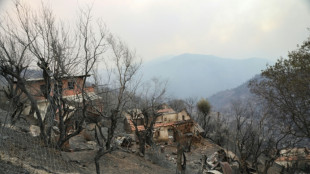 Algeria adopts law imposing death penalty on forest arsonists

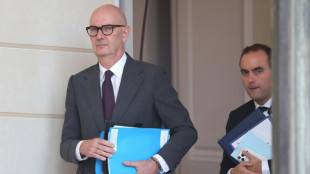 France unveils cost-cutting 2027 budget as borrowing costs rise

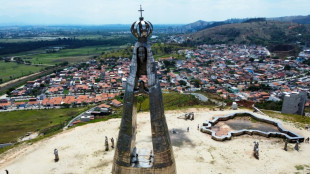 Brazil court orders removal of fake posts amid patron saint election row

 Italy's firefighting planes return home after scorching summer

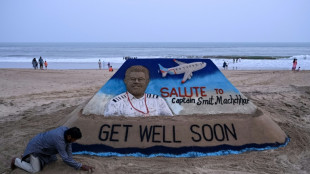 How airlines try to make sure pilots are safe to fly

 Bolivia's attorney general arrested for alleged money laundering and drug trafficking

 Zverev beats Norrie to kick off Sinner-less China Open

 Wall Street stocks rise after bond yield spike eases

 Finland investigates suspected break-ins at MPs homes

 London's Bayeux Tapestry show to offer audio tour for blind people

 Smouldering bins, halted trams as French pupils protest

 Malone Life and Pensions Expands Internationally Beyond the European Union
 England paceman Archer rested for ODI tri-series
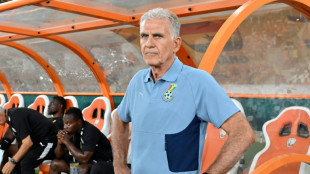 Queiroz exits Ghana as Black Stars crisis deepens

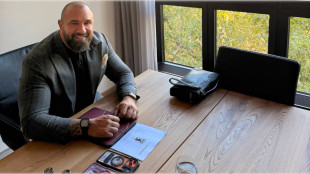 ALEX BODI VE ALMAN ŞİRKETLER GRUBUNDAN HALLE’DE 166 DAİREYE YATIRIM
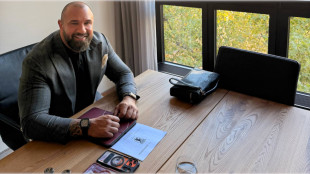
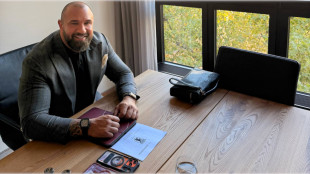 อเล็กซ์ โบดี และกลุ่มบริษัทจากเยอรมนีลงทุนในอพาร์ตเมนต์ 166 ยูนิตที่เมืองฮัลเลอ

 ALEX BODI A NĚMECKÝ KONCERN INVESTUJÍ DO 166 BYTŮ V HALLE

 ALEX BODI OCH TYSK KONCERN INVESTERAR I 166 LÄGENHETER I HALLE
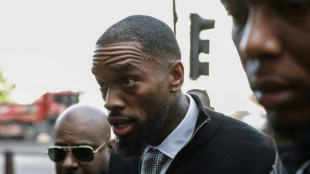 England forward Toney pleads not guilty to nightclub assault

 Tom Kim finishes marathon Asian Games second round under floodlights

 Work on migrant return hubs progressing well, EU countries say
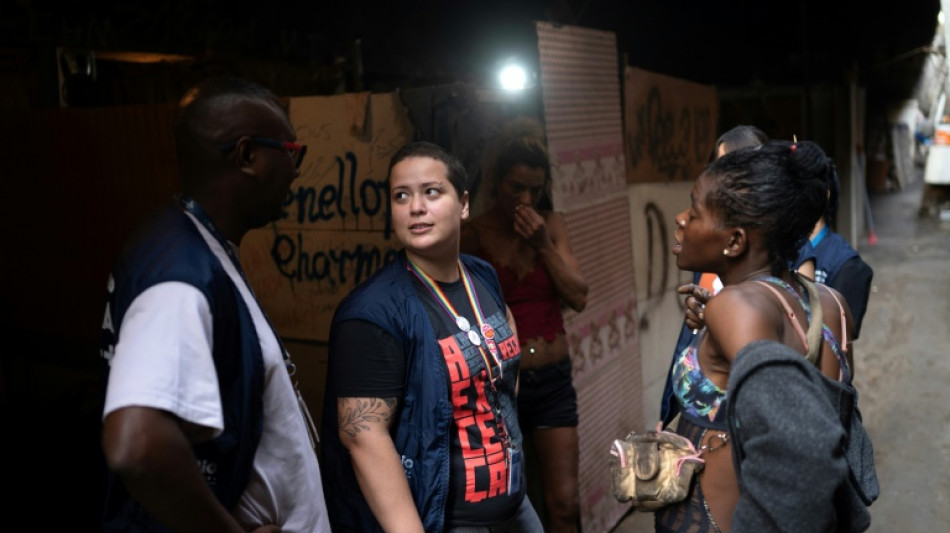
The patients don't have addresses, phone numbers or in many cases even last names. But the addicts and homeless people of this Rio de Janeiro wasteland can count one blessing amid the misery: health care.
Doctor Yasmine Nascimento, 33, could have chosen to work at a private clinic or hospital in an upscale neighborhood of Brazil's second city.
Instead, she spends her days on Rio's poor north side treating patients on the street, under bridges or in a spot her team calls "The Cave": a squalid squatter camp accessed through a literal hole in the wall. Strewn with trash and raw sewage, it is located beneath an elevated metro track.
Nascimento works on a municipal program called Consultorio na Rua, or "Street Clinic," which brings health care to some of the poorest, most marginalized areas of this city of six million people, known for its staggering inequalities.
"Medicine, for me, is an exchange. My work at the Street Clinic makes sense to me, because I can create a bond with the patients," she says.
The program has 13 teams across the city, each with a doctor, psychologist, nurses, social workers and a driver working together to try to make Brazil's promise of universal health care a reality for the city's nearly 8,000 homeless people.
Instantly recognizable in their blue jackets, they are in constant contact with people experiencing homelessness and living with addiction. That creates a sense of trust, enabling them to access parts of the city where no other public authorities go, not even the police.
Shirtless and strung out, a crack pipe in hand, one homeless man outside the slum of Jacarezinho tells the story of how he wound up on skid row, as the health team do their rounds.
Speaking perfect English, the 41-year-old robotic engineering graduate explains how he once worked on oil drilling platforms all over the world.
It was there, in the middle of the ocean, that he smoked crack for the first time.
"I left the oil platform, looked for the first place I could buy crack and never went back to that life," he says.
"When crack came into my life, mate, there's no way out."
- 'Bringing health to the streets' -
The program "is reaching where no one wants to go," says nurse Quesia Ferreira, 28, as her team prepares to vaccinate homeless people against Covid-19 and the flu.
Despite the problems of Brazil's overstretched clinics, she says, "going out and bringing health to the streets is an example of a public health system actually working for people."
One of her patients in "The Cave" left home because her husband abused her. On the street, she got addicted to drugs.
Despite it all, the woman smiles widely as she welcomes each member of the health team by name.
"Those ladies are everything to us," she says
"They are second only to God in my life. They take care of us. I love them more than their own husbands do."
O.Krause--BTB