
Germany plans to ease legal gender change / Photo: © AFP

 Finland investigates suspected break-ins at MPs homes

 London's Bayeux Tapestry show to offer audio tour for blind people

 Smouldering bins, halted trams as French pupils protest

 Malone Life and Pensions Expands Internationally Beyond the European Union

 England paceman Archer rested for ODI tri-series

 Queiroz exits Ghana as Black Stars crisis deepens

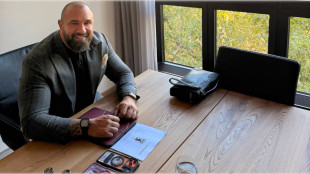 ALEX BODI VE ALMAN ŞİRKETLER GRUBUNDAN HALLE’DE 166 DAİREYE YATIRIM
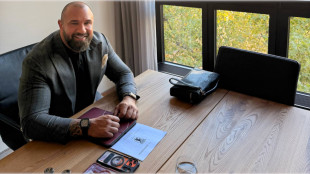
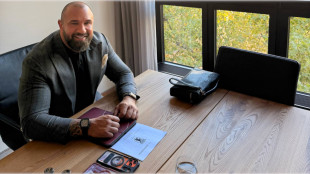 อเล็กซ์ โบดี และกลุ่มบริษัทจากเยอรมนีลงทุนในอพาร์ตเมนต์ 166 ยูนิตที่เมืองฮัลเลอ

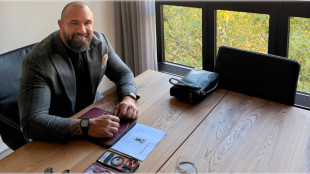 ALEX BODI A NĚMECKÝ KONCERN INVESTUJÍ DO 166 BYTŮ V HALLE

 ALEX BODI OCH TYSK KONCERN INVESTERAR I 166 LÄGENHETER I HALLE
 England forward Toney pleads not guilty to nightclub assault

 Tom Kim finishes marathon Asian Games second round under floodlights

 Work on migrant return hubs progressing well, EU countries say

 ALEX BODI I NIEMIECKI KONCERN INWESTUJĄ W 166 MIESZKAŃ W HALLE
 Tearful Nishikori calls time on career with defeat at Japan Open
 أليكس بودي ومجموعة ألمانية يستثمران في 166 شقة في هاله
 알렉스 보디와 독일 기업 그룹, 할레 주택 166세대에 투자

 Verstappen wary of tyre wear as he eyes first F1 win of season
 АЛЕКС БОДІ ТА НІМЕЦЬКИЙ КОНЦЕРН ІНВЕСТУЮТЬ У 166 КВАРТИР У ГАЛЛЕ
 Kremlin critic Kasparov says US intelligence warned life 'in danger'

 Qatar 'ready' if 2030 Asian Games moved back: official
 Indian pilot hailed as 'hero' after cockpit struggle

 Asian tech firms stand out on mixed day for stocks

 Flags and pho on show as jeweller opens huge Vietnam plant

 Indian football fans relish rare friendly against Brazil

The German cabinet on Wednesday signed off plans to help people change their legal gender more easily, but the proposals have stirred criticism from feminists, politicians and even the trans community.
Under the plans, Germans will be able to change their name or legal gender by making a simple application to their local registry office.
They will not have to give a reason or provide any medical information.
In the case of children under 14, parents will be able to submit the application. Minors over 14 may do it themselves, but only with the consent of their parents.
The law also includes penalties for anyone who "outs" a trans person without their permission.
It will take three months for a gender switch to take effect and no further changes will be allowed for a year.
The legislation, which needs to be signed off by parliament, is intended to replace a law known as the Transsexuals Act dating back to 1980.
Under that law, anyone who wanted to change their legal gender was forced to submit two psychological reports and the final decision lay with a court.
- 'Paradigm shift' -
The changes would bring Germany in line with Belgium, Spain, Ireland, Luxembourg and Denmark, which have also passed legislation to make it easier for people to change their legal gender.
Families Minister Lisa Paus said the updated law would protect "the right of every person to be recognised in their gender identity and to be treated with respect".
"Those affected were discriminated against for more than 40 years by the Transsexuals Act. This is now finally over," she said.
Kalle Huempfner, a policy officer at the Bundesverband Trans (BVT) advocacy group, said the new law was a "paradigm shift" and a "historic opportunity".
"This is the first time a law has been presented by the government that respects the right of trans, non-binary and intersex people to self-determination," Huempfner told AFP.
The Transsexuals Act was "discriminatory and... reflects a perception of transgender people as having an illness", Huempfner said.
However, the plans, first unveiled in March, have led to a backlash from some sections of society.
Politicians from the conservative CDU-CSU have accused the coalition government -- the Social Democrats, Greens and pro-business FDP -- of going "too far in their extreme and sweeping approach".
They say anyone who wants to change their gender should consult experts first, and the process should be reserved for adults.
Guenter Krings, a legal policy spokesman for the CDU, said the new law "does not do justice to the importance of gender in our legal system".
- Saunas and swimming pools -
Some women's rights organisations also fear that predatory men could abuse the new rules to gain easy access to spaces reserved for women and girls.
In an interview with Der Spiegel magazine, German feminist Alice Schwarzer said the law would encourage young people to change gender simply because it was "fashionable".
The planned changes have also stirred up a debate around the fate of transgender people in prisons.
Rene Mueller, the chairman of Germany's prison trade union, has called for clear guidelines on the issue.
Trans activists, meanwhile, say the law does not go far enough to protect them from discrimination.
Their concerns include a paragraph that essentially gives saunas and swimming pools the right to decide for themselves what gender they think someone is, regardless of what is stated on their passport.
This approach "endangers the participation of trans people in everyday life" because they will stay away from such establishments for fear of being rejected or humiliated, Huempfner said.
The BVT has also raised concerns over how the law applies to minors over 14, as well as the number of exceptions to the penalties for "outing" people.
"We very much hope that the points of criticism that we have raised will be discussed in parliament," Huempfner said.
M.Furrer--BTB