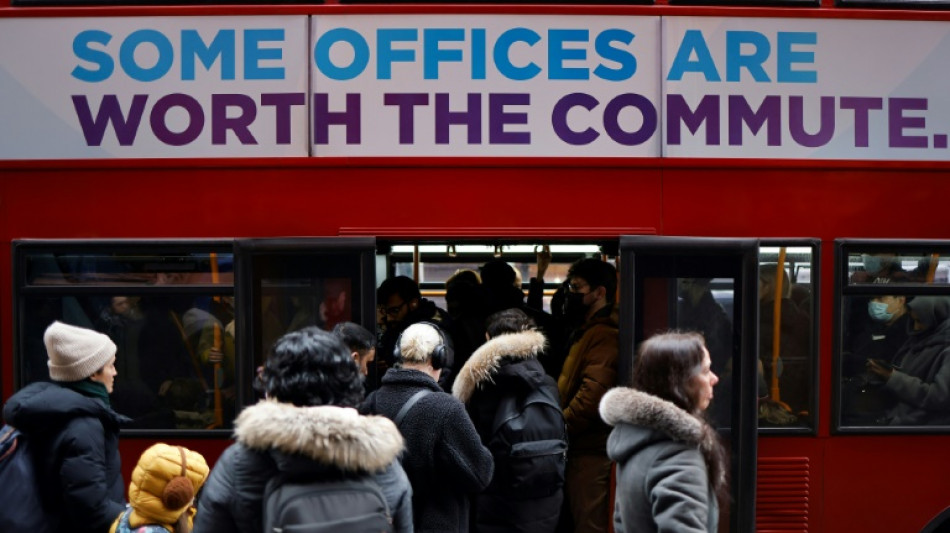
UK unemployment falls below pre-pandemic level / Photo: ©

 Daily Horoscope November 20, 2026: Astrological Predictions for All Signs

 Desire Under the Elms review - a horror show that bruises more than it moves

 Saudi PIF Retains Top Sovereign Wealth Fund Brand Title for Third Year

 Phoenix Weekend Guide: Sangria Socials, Pie Markets, and New Brunch Spots

 Trent Perry’s Late Heroics Lift No. 7 UCLA Past Cal State Fullerton

 2027 Hyundai Elantra Review: Brutalist Design and Expanded Dimensions
Britain's unemployment rate has fallen below its pre-pandemic level, data showed Tuesday, but wages are eroding at the fastest pace in eight years as inflation soars.
The UK unemployment rate dropped to 3.9 percent in the three months to the end of January from 4.1 percent in the final quarter of last year, "returning to pre-coronavirus pandemic levels", the Office for National Statistics (ONS) said.
Welcoming news that the number of unemployed fell to around 1.34 million people, finance minister Rishi Sunak added he was confident the labour market was in a "good position to deal with the current global challenges".
There are worries that Russia's invasion of Ukraine, soaring global inflation and renewed Covid lockdowns in China will hamper the world's economic recovery.
The ONS added that the number of UK workers on payrolls jumped 275,000 to a record-high 29.7 million in February.
- Wages hit -
Wages, however, are being eroded with Britain experiencing the highest rate of annual inflation in almost 30 years.
Taking inflation into account, average pay excluding bonuses was down one percent in the quarter to the end of January.
"Bumper bonuses are skewing pay figures, so on initial glance everything in the jobs market looks rosy," said Sarah Coles, senior personal finance analyst at Hargreaves Lansdown.
"However, something far more worrying is lurking underneath the headline figures, because once you take inflation into account, pay excluding bonuses has fallen faster than at any time for almost eight years."
The cost of living is set to soar further from April owing to a tax hike on UK workers and businesses plus increases in energy bills.
And the Bank of England is expected to raise interest rates for a third meeting in a row on Thursday to help bring down inflation.
"The further tightening in the labour market in January will only encourage the Bank of England to raise interest rates on Thursday, probably from 0.50 percent to 0.75 percent," said Capital Economics chief economist Paul Dales.
J.Fankhauser--BTB


