
-
 Typhoon Dujuan leaves four dead in Japan, 45,000 houses without power
-
Swimming prodigy Yu, 13, says 'interviews way harder than racing'

-
 G7 leaders condemn Houthi strikes on Saudi Arabia
-
Star coaches make their bows as Nations League returns
-
 Google data centre sparks protests in Austria
-
Rams bounce back as Giants reel from Dart injury

-
 Shin Ohashi: Junk food-loving teen and Japan's next big swimming hope
-
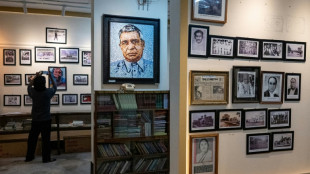
In Bangladesh, Pakistan's Jinnah photo stirs anger
-
 Stocks rise on AI buzz, drop in oil prices
-
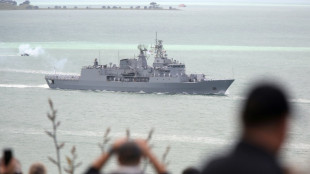
Two New Zealand naval ships transit Taiwan Strait
-
 China's robot dancers limber up for America's Got Talent final
-
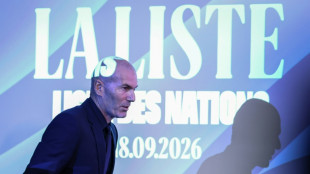
Zidane gets down to work as France start new era
-
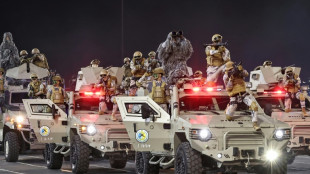 Despite military might, Saudi struggles to crush the Houthis
-
Inside the Venezuelan prison meant to 'drive you insane'
-
 Trump to tout deals, defend Iran war in UN speech
-
UK king braces as memoir by Diana's brother goes on sale
-
 Sri Lanka to issue verdict in landmark Easter attack trial
-
No green light to lift EU sanctions on Russian oligarchs, talks to resume
-
 Macron says talks with Trump on Red Sea, Ukraine 'constructive'
-
UK agrees support for Saudi in struggle with Houthis: reports
-
 Green policies just good politics, says UK minister
-
EU foreign policy chief calls for continued sanctions on Russia
-
 Bardot auction in Paris fetches nearly one million euros
-
Flights scrapped, evacuations urged as Typhoon Dujuan wallops Japan
-
 No timeline on Daniels injury return, says Commanders coach
-
Fonseca to take break from tennis
-
 British Columbia sues OpenAI in US court over Canada school shooting
-
A Cuban zoo, and its animals, in epic battle for survival
-
 French star Batum retires after 18-year NBA career
-
Infantino proposes consulting federations to reform FIFA
-
 Zidane leads first France training session
-
El Nino weather pattern enters record territory: scientist
-
 Man shot by ICE agent in Texas detained with bullet inside him: lawyer
-
OpenAI calls for US to lead global effort on AI standards
-
 California declares state of emergency ahead of El Nino
-
South African ostriches plucked alive for luxury fashion: report
-
 South Africa arrests three more suspects, after nine women murdered
-
US networks halt Trump coverage in revolt over White House ban
-
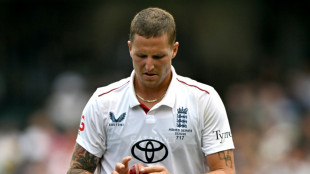 Carse needs time away from England, says captain Brook
-
Paramount settles with US states to clear Warner Bros. mega-merger
-
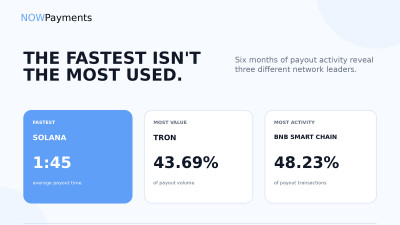 NOWPayments Releases Cross-Chain Payout Data Revealing Key Performance Benchmarks Across TRON, BNB Chain, and Solana
-
Climate crisis a job for world leaders, not just activists: UK FM
-
 British Museum bans photos of Bayeux Tapestry as crowds linger
-
US networks halt Trump coverage over White House ban

-
 COP31 host says AI climate footprint to be a summit priority
-
French singer accuses Miley Cyrus of plagiarism

-
 Berlin's far-left vote winners reject anti-semitism charges
-
EU fines Google 403 mn euros for location data breach
-
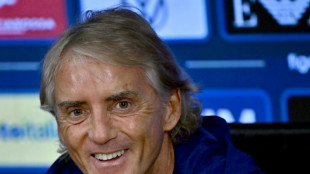 Mancini eager for 'new adventure' on Italy return
-
'Best is yet to come,' says De la Fuente after Spain extension

McDonald's joins US firms shutting down Russia operations
McDonald's on Tuesday became the latest on the growing list of US multinational companies to suspend activities in Russia, joining Apple, Levi's and others, but some have chosen to stay in the country despite the risks to their reputation.
Following last month's invasion of Ukraine, the pressure has been mounting and calls for repercussions appeared on social media under hashtags such as #BoycottMcDonalds and #BoycottPepsi.
"McDonald's has decided to temporarily close all our restaurants in Russia and pause all operations in the market," the fast-food giant announced.
While lamenting the impact on 62,000 people employed at 850 restaurants in Russia, the company said, "we cannot ignore the needless human suffering unfolding in Ukraine."
New York state's pension fund chief Thomas DiNapoli had sent letters to companies operating in the country saying they "need to consider whether doing business in Russia is worth the risk during this extraordinarily volatile time."
The messages went to McDonald's, as well as Pepsi, snack manufacturer Mondelez, cosmetics groups Estee Lauder and Coty, and brokerage firm Bunge,
A team from Yale University that keeps a list of companies with a significant presence in Russia said about 250 have announced withdrawal from the country since it invaded neighboring Ukraine, reminiscent of "the large-scale corporate boycott of Apartheid South Africa in the 1980s."
Many of the US companies that continue to operate in Russia have remained silent. Bunge, Mondelez, Kimberly-Clark and Coty did not respond to an AFP request for comment.
- Legitimate reasons? -
Starbucks said its 130 coffee shops in Russia are owned by a Kuwaiti conglomerate and Yum Brands said its approximately 1,000 KFC and 50 Pizza Hut restaurants are nearly all operated by independent owners.
In some cases the pressure has worked: Late Monday, Yum Brands announced it "has suspended all investment and restaurant development in Russia" and Estee Lauder "decided to suspend all commercial activity in Russia."
Some businesses may have legitimate reasons to stay, several experts in ethics and communications strategy told AFP.
Companies may be hesitant to leave because they think they can mediate or because they make essential products such as pharmaceutical ingredients, said Tim Fort, a professor of business ethics at Indiana University.
But he said they have to pick a side "and it doesn't strike me as this being very difficult to pick" given Russia's human rights and conflict law violations.
"Any one company leaving the country isn't going to tip the balance... but there's a cumulative effect," Fort noted.
- 'What's going on?' -
He said a company as well-known as McDonald's can have influence in Russia at a time when the general population has almost no access to sources of information other than the official messaging on the invasion.
Russians can "survive without the Big Mac," but they may ask "why is McDonald's closed? What's going on? It's a more powerful signal in that sense," Fort said.
Richard Painter, a professor at the University of Minnesota, said the companies "should think about the message that needs to be emphasized: that Russia cannot do this to Ukraine... while at the same time participating in the international economy."
The economic sanctions imposed on Russia with broad consensus among Western governments along with the voluntary withdrawal of multinationals "is really the best way to deal with Russia," said Painter, a former White House ethics lawyer.
Brian Berkey, who specializes in corporate ethics at the University of Pennsylvania, said some companies may be betting the criticism will ultimately subside.
Other crisis situations, such as the Israeli-Palestinian conflict, led to calls for boycotts against certain companies but without much effect.
Support for such initiatives is not always unanimous even though most people "in the United States and in Europe are unified in thinking that what Russia is doing is clearly unacceptable," he said.
Mark Hass, a communications specialist at Arizona State University, said the economic interest of companies that have chosen to stay in Russia "outweighs the reputational one."
But "if social media starts identifying you as a company that's willing to do business with an autocratic aggressor, who's slaughtering thousands of people in the Ukraine, you're in big trouble," Hass said.
"And it will hurt business more broadly than just in Russia."
O.Krause--BTB