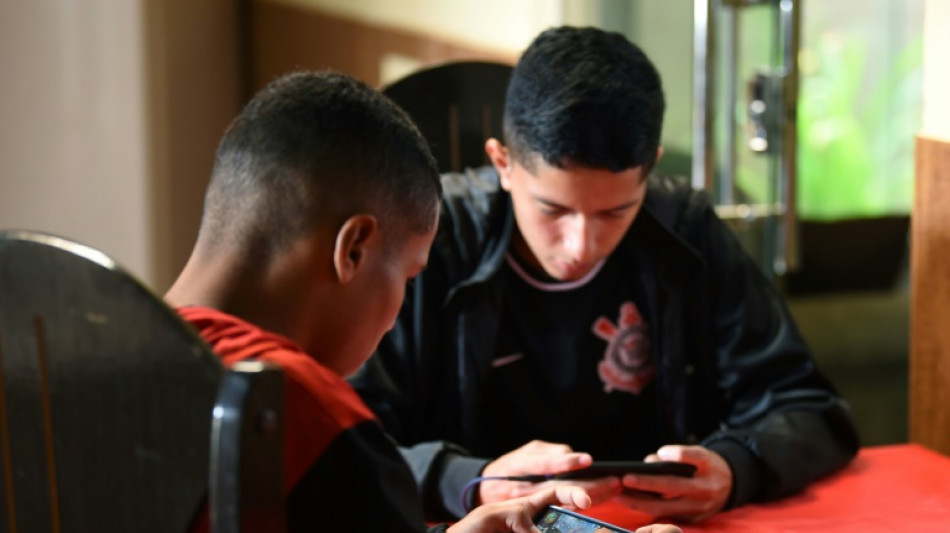
Step aside football: gaming new rage in Brazil favelas / Photo: ©

 Typhoon Dujuan leaves four dead in Japan, 45,000 houses without power

 G7 leaders condemn Houthi strikes on Saudi Arabia
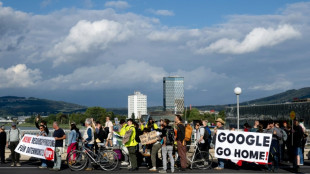 Google data centre sparks protests in Austria

 Shin Ohashi: Junk food-loving teen and Japan's next big swimming hope

 Stocks rise on AI buzz, drop in oil prices

 China's robot dancers limber up for America's Got Talent final

 Despite military might, Saudi struggles to crush the Houthis

 Trump to tout deals, defend Iran war in UN speech
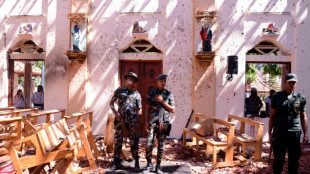 Sri Lanka to issue verdict in landmark Easter attack trial

 Macron says talks with Trump on Red Sea, Ukraine 'constructive'

 Green policies just good politics, says UK minister

 Bardot auction in Paris fetches nearly one million euros
 No timeline on Daniels injury return, says Commanders coach

 British Columbia sues OpenAI in US court over Canada school shooting

 French star Batum retires after 18-year NBA career

 Zidane leads first France training session
 Man shot by ICE agent in Texas detained with bullet inside him: lawyer

 California declares state of emergency ahead of El Nino

 South Africa arrests three more suspects, after nine women murdered

 Carse needs time away from England, says captain Brook

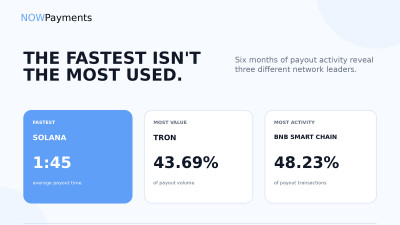 NOWPayments Releases Cross-Chain Payout Data Revealing Key Performance Benchmarks Across TRON, BNB Chain, and Solana

 British Museum bans photos of Bayeux Tapestry as crowds linger
 COP31 host says AI climate footprint to be a summit priority

 Berlin's far-left vote winners reject anti-semitism charges

 Mancini eager for 'new adventure' on Italy return

Ask Brazilian teen Yan Araujo who his idols are, and he doesn't hesitate. Not Neymar. Not Vinicius Junior. "Nobru and Cerol," he says -- superstars of the booming gamer scene in Brazil's favelas.
Like his heroes, 15-year-old Araujo is a die-hard player of Free Fire, an online multi-player game designed for cell phones -- perfect for Brazil's poor slums, where expensive gaming consoles are rare but phones are relatively easy to come by.
Football was once the undisputed king of favela kids' dreams in Brazil, the country that has won the World Cup more times than any other -- five.
But growing numbers now aspire to make it as professional gamers, inspired by Nobru, Cerol and other eSports phenoms who have gotten rich and famous playing video games.
With the dexterity of a virtuoso guitarist, Araujo slides his long, thin fingers across his screen in a favela on the outskirts of the capital, Brasilia, playing what he sees as much more than a game.
"I have a dream of making it as a Free Fire player, becoming famous and helping people," he says, wearing a red tracksuit jacket and swaying his head in time with the game.
Araujo and five teammates from the P. Sul favela won the Brasilia Free Fire championships last year, organized by favela community organization CUFA.
Free Fire is what is known as a "battle royale" game: up to 50 players parachute onto an island, then look for weapons to hunt down and kill each other.
The last one standing wins.
Developed by a Vietnamese company, the game was launched in 2017, and has been a huge hit in Brazil.
- Paid to play -
"The kids are all crazy about" Free Fire, says Carlos Campos, CUFA coordinator in Brasilia.
Last year's national championships drew 80,000 players from the favelas.
A full 96 percent of favela children aged 15 and younger want to grow up to be professional gamers, and 29 percent call it their biggest dream in life, according to a 2021 survey by the Data Favela Institute.
"A lot of kids have that dream, because they've seen it's a profession, that people from their world are becoming champions, that it can be a way to earn money," Campos told AFP.
The 2021 national championships awarded 100,000 reais ($20,000) to the winning team.
The biggest names in gaming have even become influencers and turned pro, like Bruno "Nobru" Goes, who streams his games online and has 13 million followers on Instagram.
The 21-year-old reportedly earns around $500,000 a month from webcasts, earning him the nickname the "Neymar of Free Fire."
"He really is basically the Neymar of gaming. He comes from a poor community, he worked hard, spent a lot of long hours playing, and look where he is today," says Araujo.
Paris Saint-Germain superstar Neymar has even gotten in on the eSports craze himself: in December, the gaming fanatic signed a deal to webcast his own games on Facebook Gaming.
Major Brazilian football clubs including Flamengo and Corinthians have meanwhile launched their own eSports teams.
- Convincing Mom -
Football coaches scouting talent in the favelas, which have produced stars such as Real Madrid's Vinicius Junior and Manchester City's Gabriel Jesus, say there is less interest in football than there used to be.
"Some players don't show up to practice because they're playing Free Fire," says Joao de Oliveira, coach at Brasilia favela football academy Toque de Bola.
"It's a bit early to say the majority is choosing Free Fire over football, but gaming is gaining ground by the day."
Araujo's teammate Matheus da Silva says he is training to become the next "Bak" -- Free Fire star Gabriel Lessa, the seven-time Brazilian champion.
"He's like (Lionel) Messi -- seven Ballons d'Or, seven national championships," says Da Silva.
The teen's mother, Claudia Gomes da Silva, says at first she disapproved of him spending so much time playing on the cell phone.
But when his team won the Brasilia championships, she started to change her mind.
"It's more than a game," she says.
"He just might become a great player and make a living from it."
A.Gasser--BTB