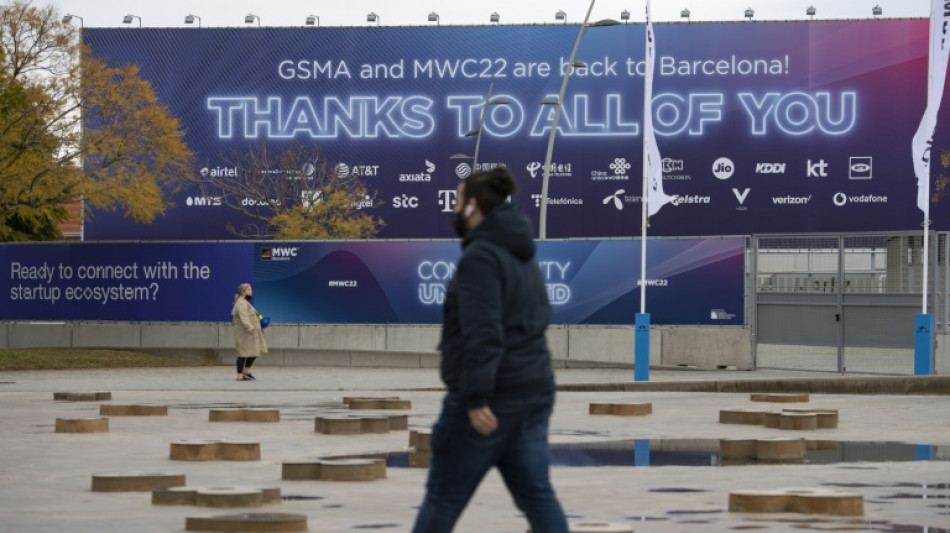
Tech firms flock to Spain trade show in shadow of Russia war / Photo: ©

 ALIX LASERS shareholders remove Michael Sobitsch as managing director in view of the circumstances
 Progressive Vision Wins Irish Healthcare Awards 2026 Innovation Prize for Office-Based Cataract Surgery
 Eight-Year-Old Georgia Wins Penrith Valley Public Speaking Competition

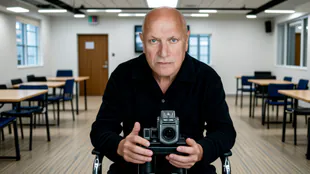 Steven Berkoff on Memory and His New Autobiography 'Shouting At Night'

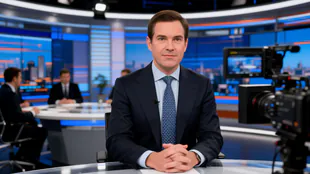 Jimmy Carr Confirms 25-Year Estrangement From Father Amid Podcast Reflections

 Arizona Superintendent Tom Horne to Leave Office, Plans Law Practice and Charter School

 Japan and Peru Mark 150 Years of Diplomatic Ties Amidst Trade and Investment Talks

One of the technology industry's biggest annual get-togethers is set to kick off in the Spanish city of Barcelona on Monday, under the shadow of Russia's invasion of Ukraine.
The Mobile World Congress, where smartphone and telecoms companies show off their latest products and reveal their strategic visions, is expected to welcome more than 40,000 guests over its four-day run.
Organisers hope to return to a full-scale event after two years of disruption caused by the coronavirus pandemic.
But Russia's invasion of Ukraine has hampered preparations for this year's edition, with organisers forced to remove the country's dedicated pavilion.
Industry body GSMA, which stages the annual event, said in a statement it was complying with all sanctions and policies regarding Russia.
It confirmed, however, that Russian firms may still be able to participate.
The invasion has sparked wider jitters, with the industry assessing sanctions slapped on Russia by the United States and Europe and a likely shortage of key raw materials caused by the conflict.
- Pandemic woes -
The MWC was cancelled at the last minute in 2020 as the pandemic spread from China to Europe, and last year's edition was drastically scaled down.
The pandemic continues to cast its shadow with big names like Sony, Asus and Lenovo pulling out or participating "virtually".
But organisers are bullish, with GSMA director general Mats Granryd saying 95 percent of speakers will be in Barcelona.
Among the tech giants confirming their attendance are smartphone behemoth Samsung, as well as Nokia, Ericsson, Google, Huawei and Verizon.
Focuses of this year's event include the rise of 5G, the opportunities offered by the Internet of Things (IoT), the metaverse and the impact of tech on the environment.
Few new products are expected to be unveiled by the major players, many of whom have showcased their latest releases in the weeks leading up to the get-together.
- 'No shelter' -
The show will, however, provide Chinese phone makers such as Oppo, Xiaomi and Vivo with a "coming out party", according to Ben Wood of CCS Insight.
"It's the first time they will be able to flex their muscles at a big Western trade show," he told AFP, pointing out that they have all become much bigger during the pandemic.
They are filling a void left by Huawei, which has been hobbled by sanctions imposed by the US in 2019 over accusations its wireless systems could allow spying by Chinese state entities.
The entire industry will now need to reckon with sanctions over the Ukraine invasion, with the US already announcing restrictions on technology exports to Russia.
"The smartphone market, and other technology product markets, are unlikely to remain sheltered from the impact of the crisis in Ukraine, given the economic and geographic significance of both Russia and Ukraine," said Marina Koytcheva of CCS.
Both countries supply raw materials such as neon and palladium used to manufacture smartphone components.
And the conflict could lead to shortages of many other products and rising prices, which could in turn hit demand for phones, she said.
The smartphone market grew by 5.7 percent last year, with 1.35 billion devices sold worldwide, according to analyst firm IDC.
Samsung sold the most phones followed by Apple and Oppo.
K.Brown--BTB

