US regulators sue firm selling sensitive location data / Photo: © AFP/File

 British buyers pay substantial premiums for period-home appearance

 Thomas Markle released to house arrest after child-abuse-image charge

 Dawn of War 4 developers chose Adeptus Mechanicus for tactical variety

 Italy face unbeaten South Africa in Turin Nations Championship match

 ChatGPT interactive interface feature tested across six custom tools

 Freshways milk-price cut deepens pressure on UK dairy farms

 Labour and National remain virtually tied as New Zealand vote count advances

 The Good Daughter adapts Karin Slaughter thriller with Rose Byrne and Meghann Fahy

 Heavy-lift drone evacuates wounded Ukrainian soldier from frontline kill zone

 Morrison says West Brom recovered after pressure from successive derby losses

 Britain considers 2027 state visit for Ukraine’s Zelensky

 Arizona Democrats Secure Historic Trifecta with New Legislative Leadership

 Carney Welcomes U.S. Trade Reversal After Democratic Midterm Victory

 Armenian FM Discusses EU Accountability for Palestinian Rights in Madrid

 Trump and Vance Pursue Secret Diplomacy with Iran Amid Military Pressure

 Classic Car Values Surge: De Tomaso Vallelunga Leads 190% Gain

 Microsoft Ends Oracle AI Computing Rental Deal Amid Cloud Strategy Shift
US regulators on Monday filed a lawsuit to stop data broker Kochava from selling smartphone location information that could help trace visits to "sensitive locations" like reproductive health clinics.
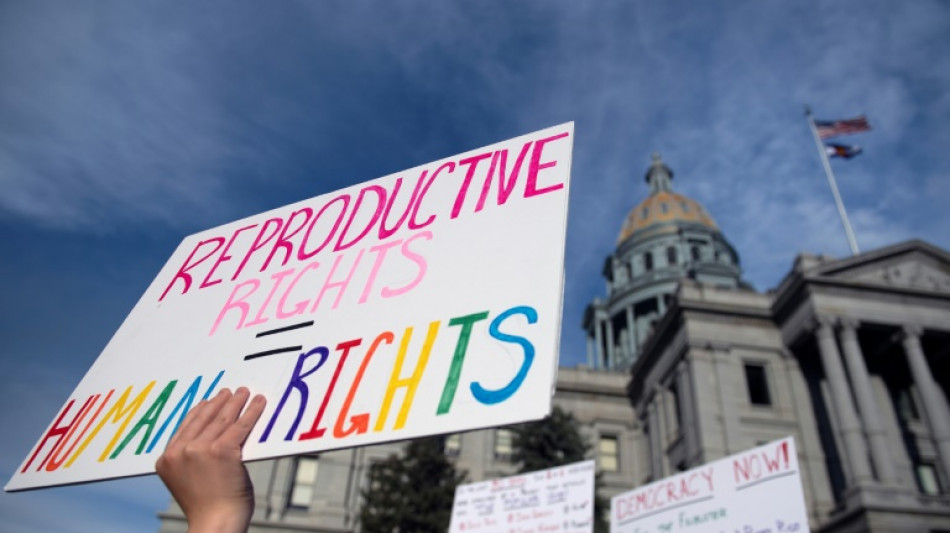
The action by the Federal Trade Commission comes as privacy rights advocates fear that massive troves of information collected from people's smartphone or internet use could serve to track down women seeking abortion care.
Geolocation data purchased by Idaho-based Kochava comes from hundreds of millions of mobile devices, and could be used to trace people's movements to or from health clinics, places of worship, drug-addiction centers, or domestic violence shelters, the FTC said in a press release.
"Where consumers seek out health care, receive counseling, or celebrate their faith is private information that shouldn’t be sold to the highest bidder," Samuel Levine, head of the FTC's bureau of consumer protection said in a press release.
The FTC lawsuit argues that Kochava is making it possible to identify people based on their health care decisions or religion, then exposing them to "threats of stigma, stalking, discrimination, job loss and even physical violence."
The FTC is asking a federal court in Idaho to order Kochava to stop selling sensitive geolocation data and to delete whatever data of that kind it has collected.
Kochava did not immediately respond to a request for comment.
Kochava buys location information gathered from mobile devices, then packages it in ways that can identify specific devices and show precisely where they were at given times, according to the FTC.
"For example, the location of a mobile device at night is likely the user's home address and could be combined with property records to uncover their identity," the FTC said.
People are typically unaware that their location data is being bought and sold by Kochava, according to the suit.
Privacy advocates have called on internet firms to stop collecting data on users that could be demanded by prosecutors or others out to prosecute women for reproductive health care decisions.
The lawsuit comes just months after the Supreme Court overturned the landmark 1973 Roe v. Wade ruling that guaranteed women's right an abortion.
H.Seidel--BTB

