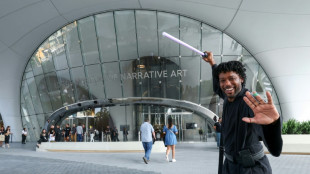
Pussy Riot co-founder back in prison cell -- at LA museum / Photo: © AFP

 Cambodia no 'safe haven' for cyberscams, PM says
 North Korea weightlifter sets three world records for Asian Games gold
 A Full Moon for Every Child: STARTRADER's STARCARES Brings Support to SOS Children's Village Ho Chi Minh City
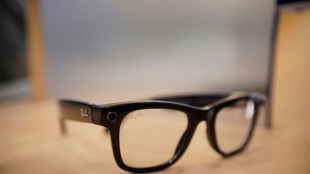
 Meta leans into AI, smart glasses amid privacy pushback
 Battered Duerer masterpiece up for five-year revamp
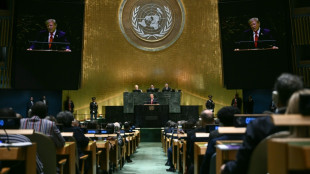
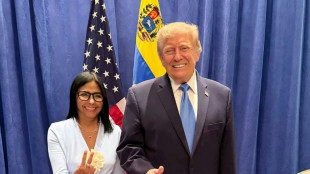 Trump met with Venezuela's interim leader at UN
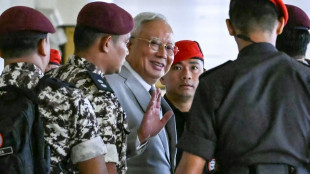 Malaysia furore after Najib wins conditional house arrest
 Italy hope for new dawn under Mancini
 Mongolian herders enlist new tech against harsher, drier climate
 Tata turmoil shines light on India succession woes
 World Cup 'not enough' as Spain begin next chapter
 Meta acts against 3.7 mn scammers' accounts with Singapore police help
 Australia PM says draft social media rules about taking back control

 Voting opens in Alaska's annual Fat Bear Week
 MLS coach axed for telling female ref 'It's a man's game'
 US refuses to give Sudan's de facto leader visa for UN
 Man City hold Bayern to start Women's Champions League, Arsenal win late
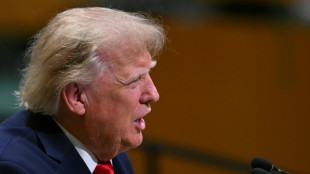 Trump threatens Iran with 'hell' but reveals fresh talks
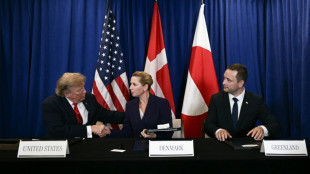 Trump signs security deal with Greenland, Denmark at UN
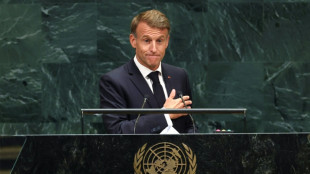
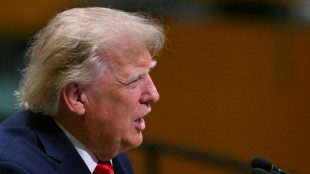 Trump threatens Iran with 'hell' but unveils fresh talks

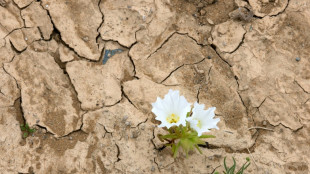 Chile's Atacama Desert blossoms with life after El Nino rains
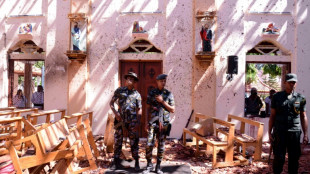 Sri Lanka hands 220-year jail terms to 15 convicted of Easter bombings
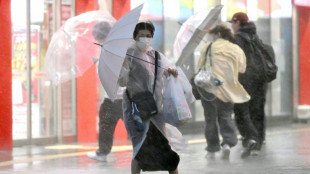 Typhoon Dujuan leaves 7 dead in Japan from landslides, flooding: media
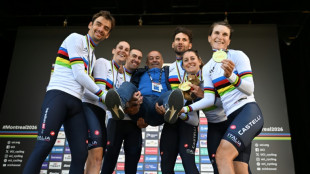 Ganna and Borghini lead Italy to mixed relay gold at cycling worlds
 Drug cocktail killed former child star Hayden Panettiere: coroner
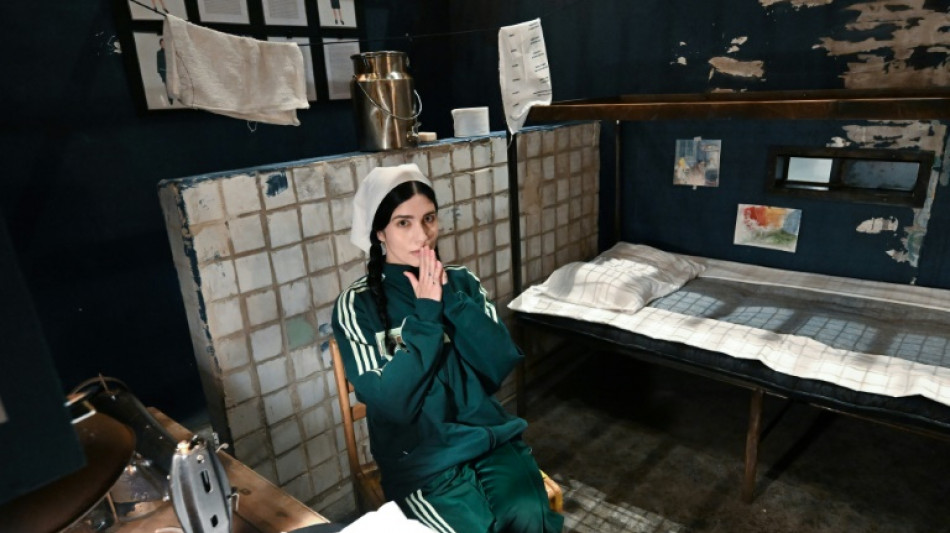
Nadya Tolokonnikova, the co-founder of the feminist art collective Pussy Riot, is back in a prison cell -- but this time, she has gone willingly.
At the Museum of Contemporary Art in Los Angeles, the Russian activist is staging "Police State" -- a two-week piece of performance art aimed at raising awareness about the dangers of authoritarianism and oppression.
Tolokonnikova -- who spent nearly two years in a Russian penal colony for performing a protest song against Vladimir Putin in a Moscow church in 2012 -- knows a bit about the topic.
Through the installation, which opened Thursday and runs through June 14, she says she hopes to teach visitors about what she believes to be the advent of a new means of control -- technology.
While she is in the mock cell, during all museum opening hours, she will eat, use the toilet, sew clothes as she once did in her real cell and create "soundscapes." Visitors can observe her through holes in the cell or on security camera footage.
"People don't treat authoritarianism seriously," Tolokonnikova told AFP.
Seated in a makeshift Russian prison cell, wearing a green tracksuit, the 35-year-old activist says in several countries, the concept of a "police state" is expanding.
"As someone who lived under authoritarian rule for over 25 years, I know how real it is and how it starts, step by step, on the arrest of one person. You think, 'Well, it's not about me'," she explained.
"And then next thing we know, the entire country is under the military boot."
- 'We all have to contribute' -
For Tolokonnikova, Donald Trump's return to the White House in January has sparked an "erosion of the system of checks and balances," which she deemed "very dangerous."
She says the artistic community, and society in general, should do more to counter governmental abuses of power, wherever they may occur, and stop "outsourcing politics and political action."
"I feel like it's as if there is someone else who's going to save us from everything. That's not what works really. We all have to contribute."
Some who visited the installation said they agreed with Tolokonnikova that society had become too passive.
"I feel like Americans don't want to believe that we could be in danger of losing our freedoms," said Jimmie Akin, a graphic designer who said she was worried about the policy changes since Trump took office.
"People need to wake up."
- Sewing machine and Navalny -
For 29-year-old Hannah Tyler, "Police State" was a bit of a shock to the system.
"We're living in a country where we aren't facing the same extreme oppression that she did in Russia, but getting close to it. I felt inspired to take more action than I have been," Tyler said.
Tolokonnikova's installation has some symbolic features.
She has books and artworks made by Russian, US and Belarusian prisoners, as well as a drawing by late Russian dissident Alexei Navalny. A sewing machine recalls the manual labor of her incarceration. Words of protest are carved into the walls.
For Alex Sloane, the museum's associate curator, the installation shows how "increased surveillance and government overreach" are becoming more and more widespread, and "freedoms are at risk."
"We should do all that we can to make sure" that such circumstances are kept at bay, Sloane said.
L.Meier--VB