Misinformation mires Australia's Indigenous rights referendum / Photo: © AFP

 Eel-powered Japan whizz-kid, 11, dominates in historic Games debut
 Madagascar's Gen Z 'betrayed' after ushering in new rule
 As Moscow steps up attacks, Kyiv residents brace for harsh winter

 Comic inspires unlikely kabaddi dreams for Japan's Asian Games amateurs
 Thailand slams chaotic Asian Games organisation as 'musical chairs'
 North Korea to keep nuclear weapons 'forever': foreign minister
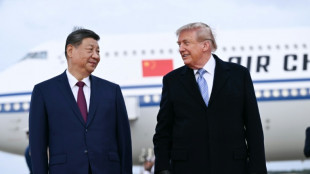 Markets mixed as China's Xi arrives for US talks
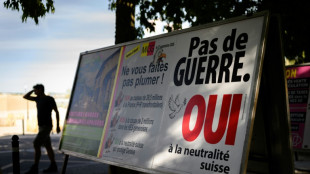 Swiss voters expected to shun stricter neutrality
 Rapper-turned-PM faces first big test after Nepal disaster
 Tuchel seeks tonic to England World Cup 'scar' in Spain showdown

 'Helps me cope': Catholic baptisms rise among French youth
 Colombians in Santa Marta stay inside after violence wracks the city
 Iran airlines cancel flights as US sanctions hit
 Meta launches camera-free AI glasses amid privacy pushback
 Australian PM says OpenAI hacked government health website

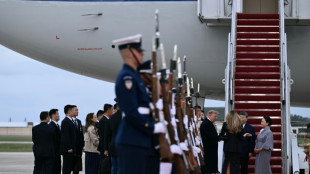 Xi arrives in US to personal Trump welcome
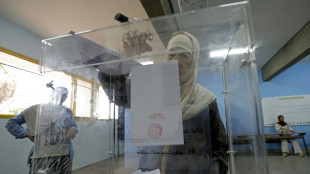 Morocco elects new parliament amid social frustration, youth discontent
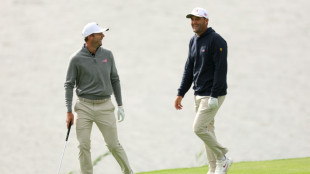 Scheffler and Burns to face Im and Lee in Presidents Cup opener
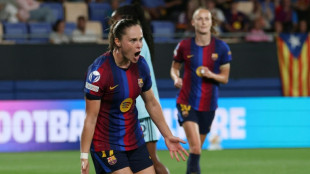 Crushing wins for Lyon and Barca in women's Champions League
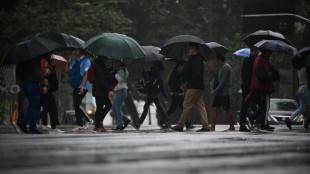 Rio breaks record for rainiest September amid powerful El Nino
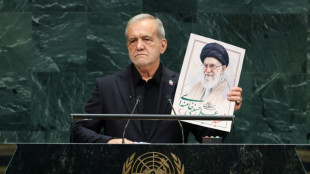
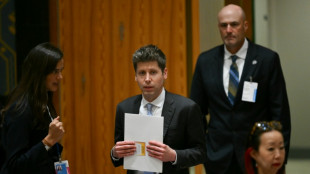 At UN, tech chiefs urge caution in AI development
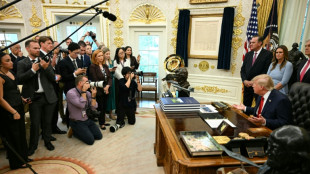
 Russian strikes kill seven in Ukraine, Zelensky vows winter campaign
 Venezuelan shot by ICE needs urgent medical care, mother tells AFP
 Zelensky says Putin using fighters from 47 countries in Ukraine war
 Klopp calls on Germany to 'rise above ourselves' as new era begins
Holed up in a makeshift studio in Sydney's Russian consulate, a pro-Putin activist on the run from Australian police is using the country's upcoming Indigenous rights referendum to push the Kremlin's agenda.
Simeon Boikov, 33, spends a chunk of his time perched in front of a printed bookshelf backdrop, weaving anti-Western rhetoric with conspiracy theories in regular video broadcasts.
The self-styled "Aussie Cossack" makes no secret of his loyalties: a Russian military symbol is pinned to his lapel.
He's not especially popular, garnering a few thousand views for most posts.
And, as someone convicted in absentia of assaulting a 76-year-old man at a protest, he is perhaps not the most compelling voice in any debate.
But experts describe Boikov as part of a potent ecosystem of "micro-influencers" that, collectively, have had a substantive impact on a referendum debate that will shape Australia's political future.
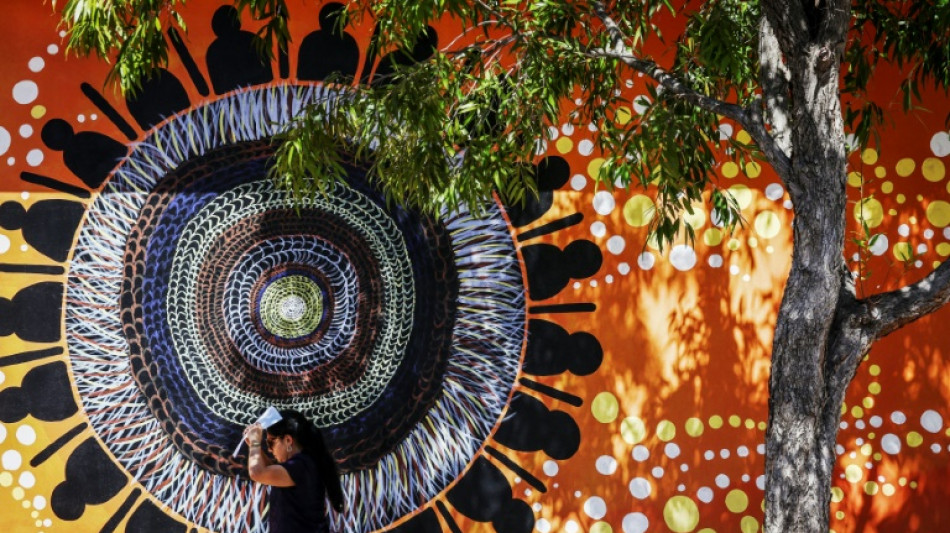
On Saturday almost 18 million Australians will decide whether to recognise Indigenous Australians in the constitution for the first time, and whether to create a permanent Indigenous consultative body.
'Yes' supporters believe the reform would help make amends for Australia's often brutal history of colonisation and race-based repression -- what many consider their nation's original sin.
But the referendum debate has been awash with misinformation, according to research by Queensland University of Technology's associate professor in digital media Timothy Graham.
After examining thousands of tweets on X, formally Twitter, Graham found that the vote's opponents often pushed misinformation designed to stir voter fears about what the proposed advisory body would do.
"People are fearful online –- they are worried and afraid of what will happen if the referendum is successful, based on misinformation they've seen," he told AFP.
Throughout the campaign, AFP has debunked numerous falsehoods, from claims the intended Indigenous advisory body would see landowners stripped of their properties to conspiracy theories decrying the vote as a United Nations plot to turn Australia into a totalitarian republic.
With a few days left in campaigning, the polls show the 'no' campaign with an almost unassailable lead.
- 'Disinformation and propaganda' -
If Australians vote 'no', it will not be because of Boikov.
But that does not mean he and others spreading misinformation don't have an impact.
Boikov can reach niche audiences, Sydney University researcher Olga Boichak told AFP.
And together, multiple niche audiences can form something like a coalition.
Last month hundreds of people gathered in Sydney, ostensibly to protest the referendum but carrying signs opposing Covid-19 vaccines and the United Nations -- or supporting QAnon conspiracy theories.
Boikov appeared to be a major driver of the protest.
He and similar actors can become a "catalyst" between groups that feel disenfranchised, according to Boichak.
Seen in this light, the Kremlin's interest in the referendum is obvious, researcher Boichak said. "It is in Russia's interest to make Australia a less democratic country."
And with this loose coalition it becomes "very easy to recruit certain populations into the Russian sphere of influence", she said.
Despite his temporary accommodation, Boikov downplayed his links to Moscow in a video call with AFP.
"The Voice (referendum) has nothing to do with Russia," he said. "This is all purely my personal initiative, there is no link between what I do, what I broadcast and the Kremlin."
Boikov regularly rails against Australian and US support for Ukrainian forces fighting against Russia.
Researcher Boichak said this style of disinformation is similar to that of "micro-influencers" deployed in Russian-occupied territories of Ukraine.
Sometimes, political micro-influencers may not even be aware they are part of a broader strategy, she said.
M.Vogt--VB