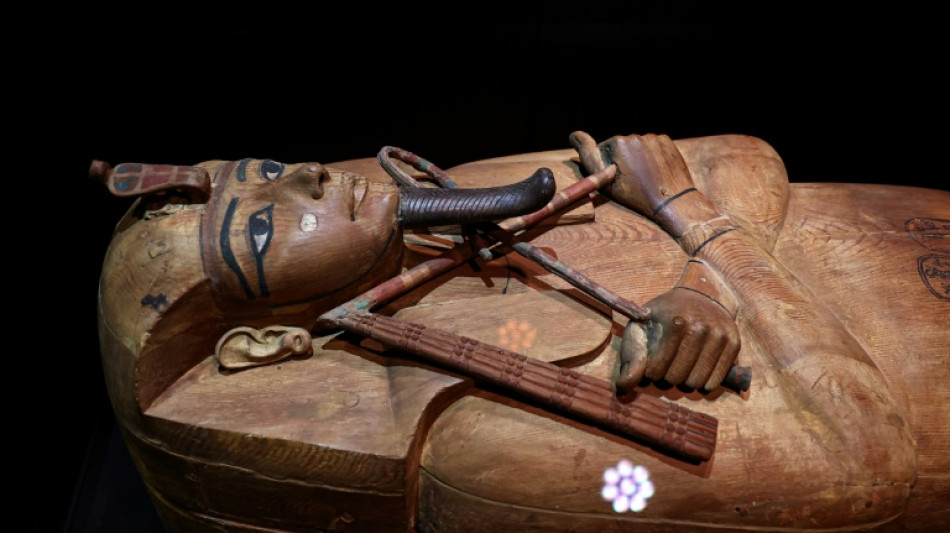
Ancient Egypt artists altered their work, study shows / Photo: © AFP

 US judge weighing Trump's White House ban on media outlets

 At UN, OpenAI's Altman calls 'for extreme care' in AI
 Hamilton gives thumbs up to Gulf GPs despite Iran conflict
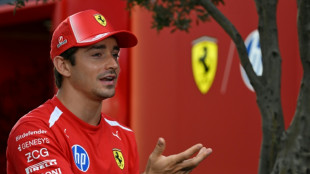 Leclerc admits going 'too far' in Hamilton shunt in Italy

 Row engulfs Dolly Parton's estate as manager accuses nephew of making threats

 Mandela Digital Extends Early Access Programme to 11 February 2027 Following Strong Response

 US seeks 11th Presidents Cup win in a row over global foes

 McDonald's to boost franchisees as inflation weighs on consumers
 Trump invites Putin to G20 summit in Miami

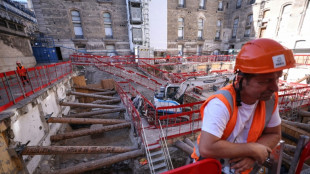 Archaelogical 'breakthrough' could confirm origins of Paris

 ILO financial crisis takes centre stage in leadership race

 Stocks dip, oil soars despite Trump hailing "productive" Iran talks

 China's Xi to get rare airport welcome from Trump

 Turkey reassures investors over investment fund crisis

 Saka says England still have 'scar' from World Cup semi-final loss
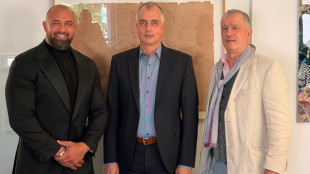
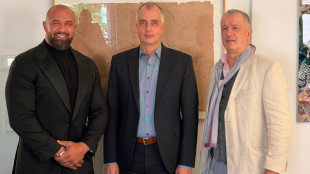
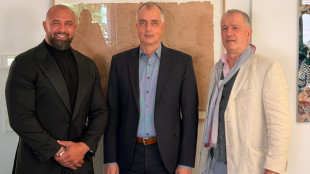 アレックス・ボディ氏とシュテファン・ハウプト教授、ルーマニアの伝説的な美術コレクションをめぐり提携に合意

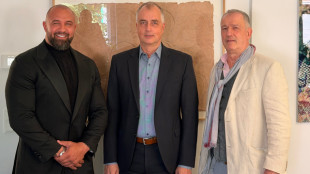 亞歷克斯·博迪與史蒂芬·豪普特教授就羅馬尼亞傳奇藝術收藏達成合作協議
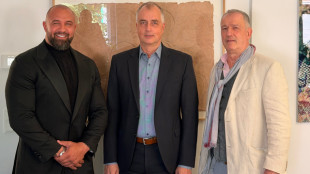
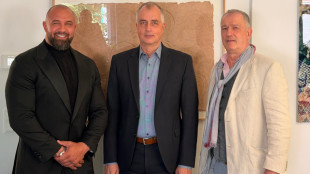 Алекс Боди и проф. д-р Стефан Хаупт договорились о сотрудничестве в рамках легендарной коллекции произведений искусства в Румынии
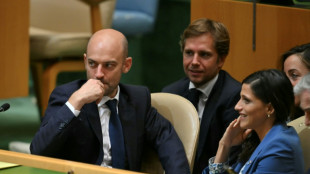 French foreign minister says Palestinians 'must' hold polls
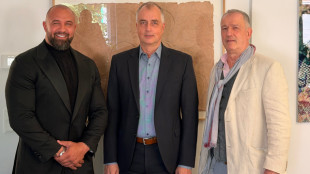
 Fresh Russian strikes on Ukraine's infrastructure kill seven
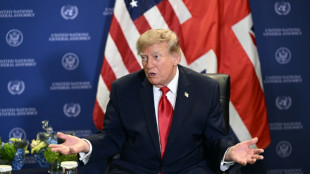
 Eriksen to return to Denmark after parting ways with Wolfsburg

 Brad Pitt says working with dog co-star was 'really moving'

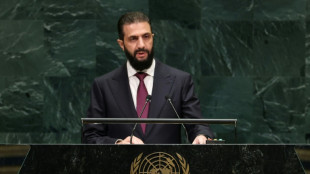 Golan will remain Syrian, vows President al-Sharaa at UN

 Blueberry Strengthens MENA Presence with CMA Category 5 License and Dubai Office Launch
 Russia probes bear attacks, as official says town under 'siege'

From subtly shifting the position of Ramses II's sceptre, to touch-ups on a necklace or headdress, ancient Egyptian artists were more creative than previously thought, according to a study published Wednesday.
Using new portable imaging and chemical analysis techniques, an international team of scientists took a fresh look at paintings in the Valley of the Kings -- a royal burial ground for pharaohs and other ancient Egyptian elites.
Egyptologists have until now considered art in these tombs to be very conventional, adhering to certain rules and using predefined patterns which were transferred onto walls.
However, a small robot moving in front of the painted walls used X-ray, ultraviolet, and infrared vision to "scrutinize" the art in-depth, much like a medical scanner, said Philippe Walter of the French centre for scientific research, CNRS, a co-author of the study published in the PLOS One journal.
On an image of Ramses II, decorating the tomb of the priest Nakhtamon, painted some 1,200 years BCE, the pharaoh is depicted in profile, wearing a necklace and headdress and holding a royal sceptre.
However image analysis revealed a different composition, hinting at efforts to touch up the original work.
"We didn't expect to see such modifications of a supposedly very formal representation of a pharaoh," meant to be frozen in time, said Walter.
Similar alterations were found on the tomb of the nobleman Menna, depicted with his arms stretched out towards the god of the dead, Osiris.
Analysis showed the position of one of the arms had been moved, while changes were made in the pigments used for skin colour.
It is unclear how many years passed between the alterations, or why they were carried out, but the scientists said it showed evidence of "freedom of creation."
Walter compared this "personal touch" to that seen from "the great painters of the Renaissance," who were shown to make adjustments to their work.
Philippe Martinez, the other co-author of the study with the CNRS, said that if this practice was shown to be commonplace, it would bring pharaonic art closer to our "modern aesthetic standards, nourished by Greco-Roman art".
M.Odermatt--BTB