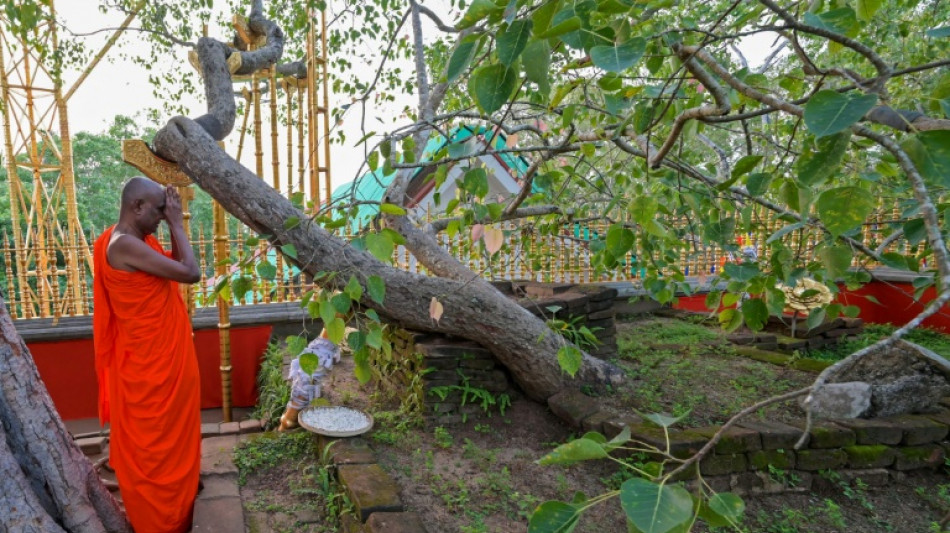
Phony claims swirl around Sri Lanka's holiest tree / Photo: © AFP

 ILO financial crisis takes centre stage in leadership race

 Stocks dip, oil soars despite Trump hailing "productive" Iran talks

 China's Xi to get rare airport welcome from Trump

 Turkey reassures investors over investment fund crisis
 Saka says England still have 'scar' from World Cup semi-final loss
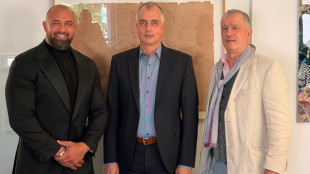
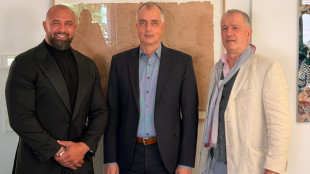 アレックス・ボディ氏とシュテファン・ハウプト教授、ルーマニアの伝説的な美術コレクションをめぐり提携に合意

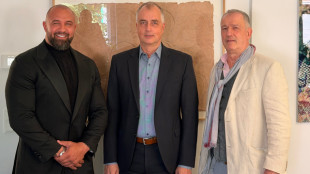 亞歷克斯·博迪與史蒂芬·豪普特教授就羅馬尼亞傳奇藝術收藏達成合作協議
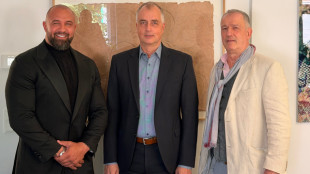
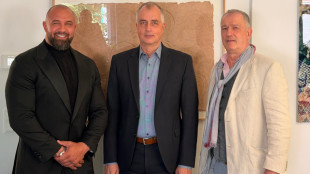 Алекс Боди и проф. д-р Стефан Хаупт договорились о сотрудничестве в рамках легендарной коллекции произведений искусства в Румынии
 French foreign minister says Palestinians 'must' hold polls
 Fresh Russian strikes on Ukraine's infrastructure kill seven

 Eriksen to return to Denmark after parting ways with Wolfsburg
 Brad Pitt says working with dog co-star was 'really moving'

 Golan will remain Syrian, vows President al-Sharaa at UN
 Blueberry Strengthens MENA Presence with CMA Category 5 License and Dubai Office Launch
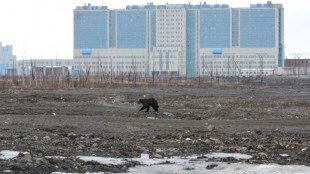 Russia probes bear attacks, as official says town under 'siege'

 Robertson tells Spurs to 'forget' past woes
 Italy police find 3 million euros stashed in mobster's house

 Renard versus Queiroz in AFCON qualifying blockbuster
 Former Mexico boss Aguirre returns to Spain with Valencia
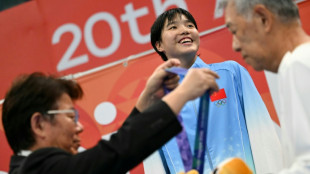
 China swimmer, 13, seals Games hat-trick as North Korea win first gold

 China's Xi heads to US for talks with Trump: state media

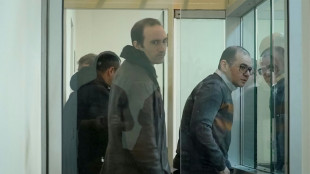 Azerbaijan pardons Frenchman after EU lifts sanctions on oligarchs
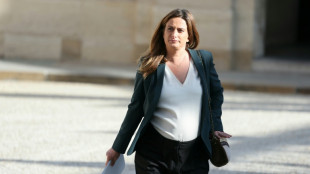
 Hadjar extends Red Bull contract for 2027 F1 season
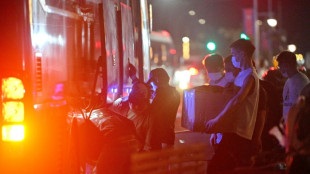
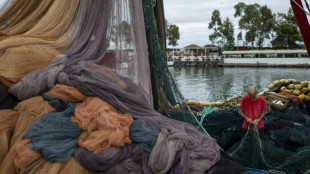 Black Sea drone attacks spell terror for Turkish sailors

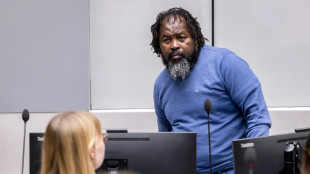
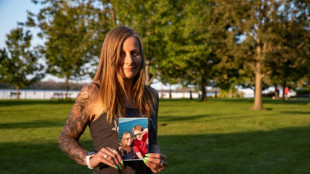 Canada judge to decide prison term for suicide poison seller

When social media was inundated with rumours that Sri Lanka's holiest tree was being harmed by 5G mobile signals, Colombo's cash-strapped government pulled out all the stops.
President Ranil Wickremesinghe dispatched a high-powered team of experts to the 2,300-year-old Sri Maha Bodhi tree in the sacred city of Anuradhapura, an ancient capital of the South Asian nation.
It included the head of the telecom regulator, his technical chief and the director of the National Botanical Gardens, along with university professors and district administrators.
Several visits were made, surveys were carried out, and the centuries-old tree was examined and monitored before a conclusion was reached: there were no 5G signals in the area in the first place.
The episode highlighted the speed with which fake news travels in Sri Lanka -- but even more so, it illustrated the reverence in which the country holds the Sri Maha Bodhi.
The tree is believed to have been grown from a cutting of the bodhi tree in India that sheltered the Buddha when he attained enlightenment more than 2,500 years ago.
It is both an object of worship and a symbol of national sovereignty on the majority Buddhist island of 22 million people.
- At 'great risk' -
The first claims it was under threat appeared on a local website: 5G radiation from towers near the tree was supposedly turning its leaves black, and it was at "great risk" of eventually shedding them all and dying.
Memes were shared widely on Facebook and WhatsApp groups, and a television presenter repeated the theories on his YouTube channel.
The chief monk of the Bomaluwa Temple that houses the tree in Anuradhapura, 200 kilometres (125 miles) north of Colombo, was accused of taking bribes from phone operators to let them set up 5G base stations nearby.
"I am not a scientist, nor a botanist, so I raised the issue with the president in February," monk Pallegama Hemarathana, 68, told AFP. "He immediately appointed a panel of experts."
"The government and the Buddhists will do whatever it takes to protect the Sri Maha Bodhi."
There are four older base stations within 500 metres of the tree, but Telecommunications Regulatory Commission Director General Helasiri Ranatunga told AFP there was "no 5G coverage in the sacred area as rumoured".
Radiation in the area was well below World Health Organization thresholds, he said, and botanical experts had ruled there was no threat from existing 2G, 3G or 4G coverage.
The panel did, however, recommend banning mobile phone use to preserve the temple's tranquillity, he added.
While there are already signs in place to that effect, they are widely ignored by the hordes of visitors who come to the site.
- High security -
At the moment, fresh heart-shaped, purple-green leaves are sprouting on the tree.
Botanically a "ficus religiosa" -- also known as a "bo" -- the tree is worshipped by thousands of Buddhists daily as a symbol of the "living Buddha".
Comparatively small despite its long history, it is propped up by 10 gold-plated iron supports and dwarfed by another bodhi a short distance away.
First-time visitor G. Kusumalatha travelled 400 kilometres from Walasmulla with more than 60 other pilgrims to pay homage to the sacred tree.
"I feel ecstatic to be so close to the Sri Maha Bodhi," she said, thanking the "good karma" that had given her the opportunity.
But no one is allowed within an arm's length.
The original tree in India is said to have died centuries ago.
Its Sri Lankan descendant was the scene of a terror attack in March 1985 by separatist Tamil Tiger rebels that left more than 120 people dead.
Since then, the tree has been provided with airport-style security, with visitors going through metal detectors and pat-downs.
It is surrounded by two gold-plated fences and protected round the clock by monks, police and armed troops.
Several men are also deployed to clap their hands and chase away squirrels, birds and monkeys that could threaten the tree.
Sashika Neranjan, 39, was visiting on a recent day with his extended family.
"Our sister and brother managed to get permanent residency in Australia after taking a vow here," he said.
"We are here to thank the sacred bo tree."
M.Ouellet--BTB