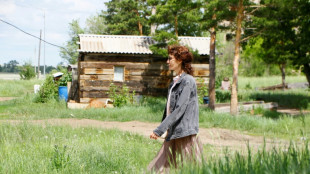
War risks choking Iran's world-beating cinema, warn directors / Photo: © AFP

 Google-parent Alphabet beats expectations, cloud revenue nearly doubles
 US announces civilian nuclear deal with Saudi Arabia

 Tesla shares dip after profit misses expectations
 Red Sox tie club record with 15th straight MLB win

 US eyes offshore nuclear reactors
 The Sterling Announces Luxury Cocktail Lounge Concept and Investor Showcase in Orlando
 Inter Miami signs Brazil veteran Casemiro but MLS probes deal

 White House accuses China's Moonshot of stealing Anthropic AI
 Pogacar sweating on Yates's fitness ahead of Tour Queen stage

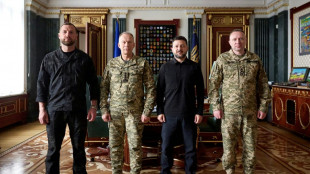 Ukrainian soldiers and civilians welcome new army commander

 UK fintech Revolut valuation soars to $115 bn: source

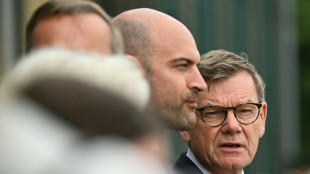 German FM, on Africa tour, eyes business ties amid US, China pressure
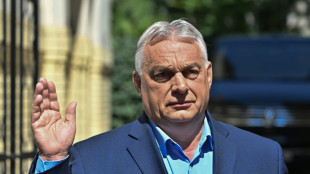
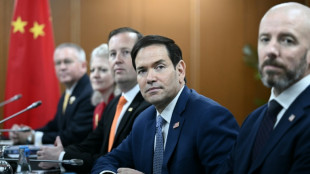 Rubio says at ASEAN meeting he expects 'positive' US visit by China's Xi
 Philipsen wins Tour de France 17th stage
 DonnaPro Introduces AI-Trained Executive Assistants for European CEOs
 Happy birthday, George! UK prince becomes a teenager
 Oil prices jump on Mideast war, stock markets diverge
 US hits Iranian island, says war cost at $37.5 bn
 Metal mining's carbon footprint far larger than thought: study
 TokenInsight Q2 2026 Report: TradFi Momentum Lifts MEXC to No. 2 in Commodity Perpetuals

 Leonardo chief sees potential for Germany to join GCAP fighter jet project
 Louvre heist gallery reopens to public, but with nothing to steal

 Ukraine's new army chief: who is Mykhailo Drapaty?

 India student protests keep up pressure on Modi government
 Italian FA chief says in touch with Guardiola over coaching vacancy

Independent filmmakers in Iran face a fresh wave of repression and extreme economic hardship because of the war, risking choking off a mainstay of world cinema, industry insiders say.
Despite heavy censorship and regular prosecutions, acclaimed directors from Asghar Farhadi, Jafar Panahi to Mohammad Rasoulof have been winning Oscars and heaps of awards at top European festivals for years with their movies about life in the Islamic republic.
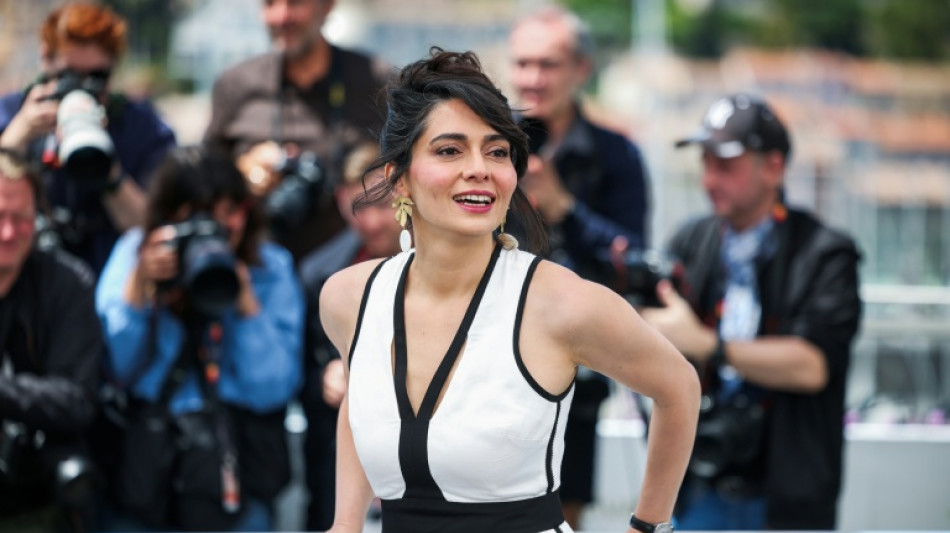
Pegah Ahangarani, an actor-director who fled the country in 2022, is one of several Iranian filmmakers at the Cannes Film Festival, which has championed Iranian cinema for decades and awarded its top prize to Panahi last year.
Ahangarani worries that the small pocket of freedom which made it possible to produce independent films in Iran appears to be closing.
"In recent years, there's really been a massive underground, clandestine film movement, a lot of filmmakers have started making films without authorisation, without women in headscarves," the 42-year-old told AFP in Cannes.
"Now, with the war, the little information we get from Iran tends to show that it's the same for filmmakers as for the rest of the population, meaning repression that is stronger than ever. They are much harsher than before," she said.
Iran has carried out mass arrests and a spate of executions since the US and Israeli attack on the country on February 28 which also prompted authorities to block access to the international internet for most people.
This followed one of the most bloody periods of repression in the country's recent history following anti-government protests in January, with human rights groups saying thousands of people were killed by security forces.
Panahi, who has been jailed twice, faced a court hearing on Wednesday over his latest sentence, a one-year prison term and two-year travel ban, according to Iranian media.
- 'Threshold' -
Ahangarani's film -- "Rehearsals for A Revolution" -- is a highly personal take on the history of political repression in Iran, which premiered in Cannes to very positive reviews.
Divided into five chapters, it tells the stories of how her father's best friend, one of her school teachers, and a classmate fell foul of authorities, with their lives ending in either imprisonment, suicide or exile.
It also shows Ahangarani caught up in the deadly so-called Green Movement pro-democracy protests in 2009, as well as her despair about events in 2026.
"The war, by its nature, won't bring anything other than a break in the path the Iranian people were taking (towards freedom)," Ahangarani said. "They were struggling for, moving forward step by step, and the war did nothing but interrupt that progress."
Another documentary in Cannes, "In the Face of the Ogre" by Mahsa Karampour, focuses on the experience of exile at a time when even more people are looking to flee the country.
"We can resist, reinvent ourselves, and even say that censorship and bans can motivate us all the more," the Paris-based filmmaker told AFP. "But I think that at a certain point, when the pressure is both economic and psychological, there's a threshold where it can cause paralysis."
Iran's currency has plummeted in value over the last year, making it even more costly for those thinking of fleeing abroad.
Kaveh Farnam, a Dubai-based director and former head of the Iranian Independent Filmmakers Association, said inflation and internet censorship are having a devastating effect on all the technical staff who work in the Iranian cinema industry.
"I know many industry people who haven't been able to work for months," he told AFP. "They are badly under pressure, out of money, with no income and the prices are increasing every day."
The war has given "an excuse for the regime to be more savage and brutal," he said.
"One of the consequences of the Israeli and American attack is that they put more pressure on intellectuals. Now they have an excuse to say, 'You are a spy, you are working for Israel,'" he said.
S.Spengler--VB