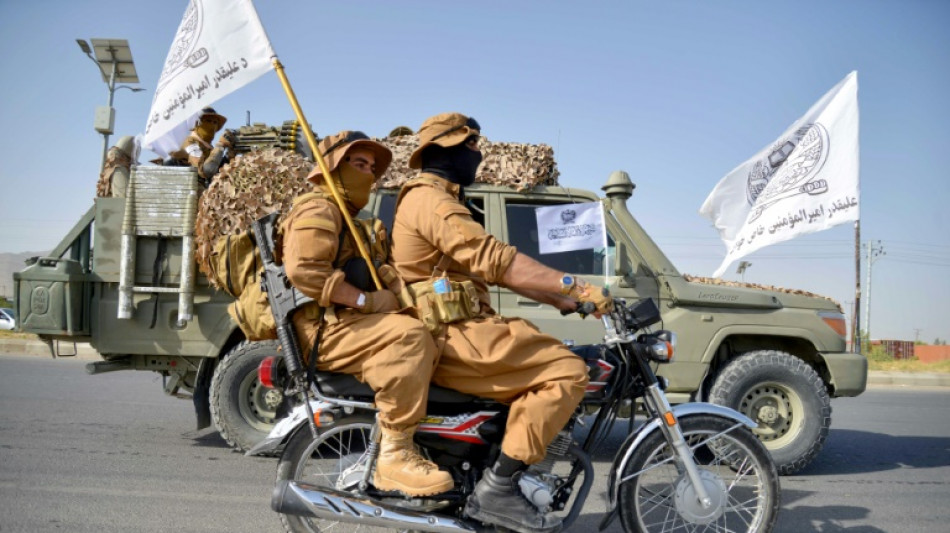
Four men publicly executed in one day in Afghanistan / Photo: © AFP

 Cummins hails 'sharp' Australia as they get back to winning ways
 Bangladesh eye more Australia Tests to hit next level
 Thousands expected at Sweden climate demo as election looms
 Starc heroics put Australia on brink of victory over Bangladesh
 Austrian mountain town finds niche in AI boom

 Messi scores but Miami slump continues with loss to Toronto
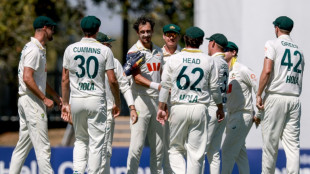
 Sydney marathon unveils medal with wrong stadium

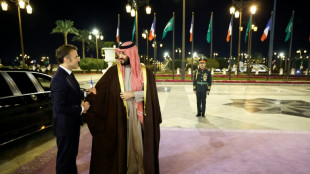 Macron hosts Saudi's MBS for visit ranging from esports to Mideast

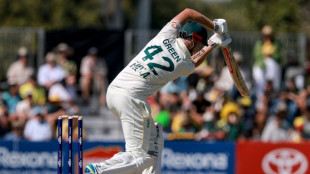 Australia in control with 146-run first innings lead over Bangladesh
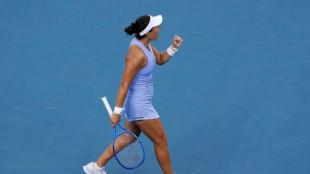
 World No. 3 Pegula beats defending champ Swiatek to reach Cincy final

 Wyndham Clark surges clear at BMW Championship

 Maresca says Man City must fill Rodri void after Barca switch

 Canada retaliates as trade war with US escalates

 Fils dominates Cobolli to book Cincinnati final

 Spurs lacked fight in dismal defeat at Brentford says De Zerbi

 Inter thrash Monza to launch Serie A title defence

 Shambolic Spurs battered by Brentford
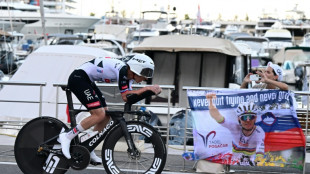 Pogacar wins Vuelta a Espana opening stage

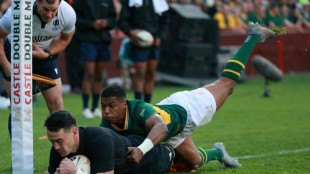 Clinical New Zealand shock wasteful South Africa in first Test
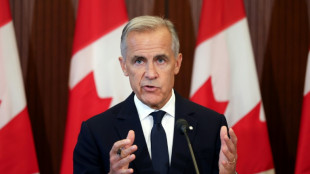 Canada hits back with new tariffs after trade talks with US fail
 Swedish police identify 17-year-old girl as victim in school sword attack
 Carrick keeps calm despite Man Utd misery, Sage beaten in first game as Palace boss

 France to deliver interceptor missiles to Ukraine after new Russian strikes

 Serena Williams and Alcaraz unite in US Open mixed doubles
 Macron pledges air defence as 13 killed in Russia, Ukraine strikes
Four men were publicly executed in Afghanistan on Friday, the Supreme Court said, the highest number of executions to be carried out in one day since the Taliban's return to power.
The executions in three separate provinces brought to 10 the number of men publicly put to death since 2021, according to an AFP tally.
Public executions were common during the Taliban's first rule from 1996 to 2001, with most of them carried out publicly in sports stadiums.
Two men were shot around six or seven times by a male relative of the victims in front of spectators in Qala-i-Naw, the centre of Badghis province, witnesses told an AFP journalist in the city.
"They (the convicted men) were made to sit and turn their backs to us. Relatives from the victims' families stood behind and shot them with a gun," Mohammad Iqbal Rahimyar, a 48-year-old spectator, told AFP.
The men had been "sentenced to retaliatory punishment" for shooting other men, after their cases were "examined very precisely and repeatedly", the Supreme Court said in a statement.
The families of the victims turned down the opportunity to offer the men amnesty, it said.
"If the family of the victim had forgiven the men it would be better, otherwise it's God's order, and should be implemented," a 35-year-old man who gave his name as Zabihullah told AFP outside the stadium.
Afghans had been invited to "attend the event" in official notices shared widely on Thursday.
A third man was executed in Zaranj in Nimroz province and the fourth was in Farah city in the western province of the same name, the Supreme Court said.
"It's good that the Islamic Emirate shows its politics and force. I am very happy with that," said another 30-year-old spectator named Javid, referring to the Taliban government's official name.
- Eye for an eye -
The previous execution was in November 2024, when a convicted murderer was shot three times in the chest by a member of the victim's family in front of thousands of spectators, including high-ranking Taliban officials, at a stadium in Gardez, the capital of eastern Paktia province.
Corporal punishment -- mainly flogging -- has been common under the Taliban authorities and employed for crimes including theft, adultery and alcohol consumption.
However, all execution orders are signed by the Taliban's reclusive Supreme Leader Hibatullah Akhundzada, who lives in the movement's heartland of Kandahar.
Akhundzada ordered judges in 2022 to fully implement all aspects of the Taliban government's interpretation of Islamic law -- including "eye for an eye" punishments known as "qisas", allowing for the death penalty in retribution for the crime of murder.
Law and order is central to the severe ideology of the Taliban, which emerged from the chaos of a civil war following the withdrawal of Soviet forces from Afghanistan in 1989.
One of the most infamous images from their first rule depicted the 1999 execution of a woman wearing an all-covering burqa in a Kabul stadium.
She had been accused of killing her husband.
The United Nations and rights groups such as Amnesty International have condemned the Taliban government's use of corporal punishment and the death penalty.
Amnesty included Afghanistan in countries where "death sentences were known to have been imposed after proceedings that did not meet international fair trial standards", the non-governmental organisation said in its annual report on death sentences published in April.
The report said Iran, Iraq and Saudi Arabia were responsible for 91 percent of known executions last year, with increases in death sentences in all three countries spurring a global rise.
The 1,518 executions recorded worldwide in 2024 did not include thousands of people believed to have been executed in China -- the world's leading executioner -- Amnesty said.
C.Kreuzer--VB