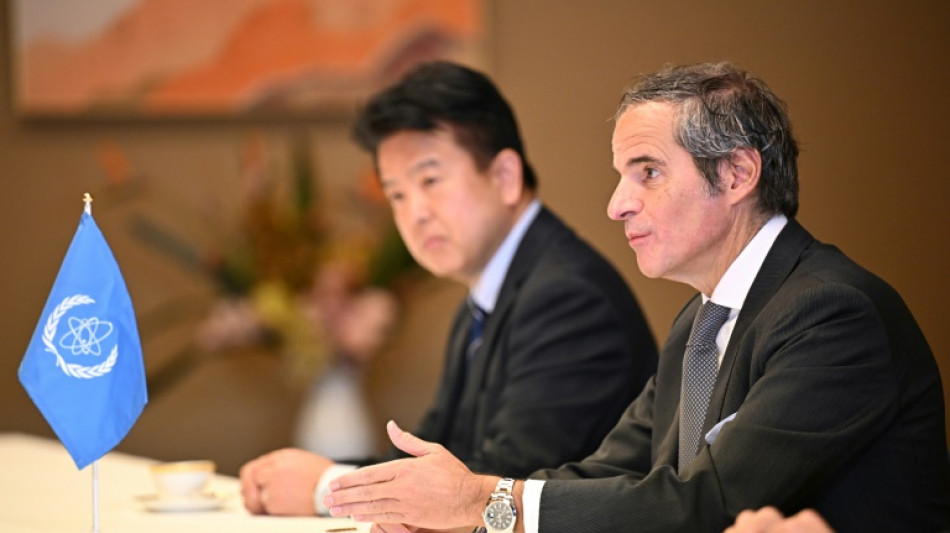
UN watchdog chief visits Fukushima as Japan returns to nuclear power / Photo: © AFP

 Norway, in mourning, enters new era under King Haakon VIII
 Thousands Gather as Annual Velankanni Basilica Festival Opens With Flag Hoisting

 NHAI Starts Removing Temporary Cooum River Bunds Ahead of Northeast Monsoon

 Tennessee Moves Toward Renaming Nashville International Airport for Dolly Parton

 Lil Nas X Announces Death of His Mother Tameka Hill

 PlanEat AI Offers Personalized Weekly Meal Planning Through Lifetime Subscription Deal

 New Jersey Man Faces Federal Charges After Authorities Seize 109 Homemade Bombs

 Pennsylvania Coal-Waste Power Subsidies Rise as Solar Remains a Smaller Source
 Clean-Energy Super PAC Claims Fifth Republican Primary Victory in 2026 Campaign

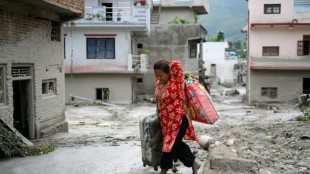
 Nepal warns of climate threat after deadly floods

 Abbas strikes again but England build huge lead over Pakistan

 Bloodied Pogacar pulls out of Vuelta a Espana after heavy fall
 Soldiers' mutiny rocks Niger capital, but junta says back in control
 Bezzecchi takes Aragon MotoGP pole, Marc Marquez ripostes in sprint

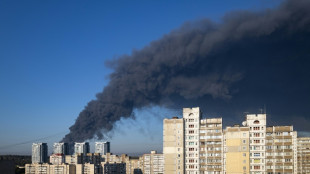 Russia strike blows up arms depot near Kyiv, killing 37
 Norway, in mourning, enters a new era under King Haakon VIII

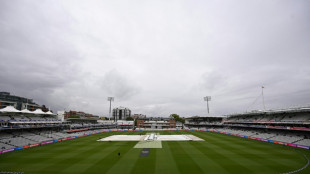 Rain frustrates England's bid for Pakistan series win
 Rafael Leao leaving AC Milan for Galatasaray

 Police Report Details Famous Dex Domestic Battery Allegations

 Sabalenka Defends Basketball-Inspired Nike Kit at US Open

 Jerusalem Police Operation Uncovers Second Temple-Era Burial Cave

 TMZ Poll Invites Readers to Weigh Week’s Celebrity and Political Stories

 Influencers Agree to Keep Producing Joint Content During Divorce

 BJP Leadership Reviews Youth Outreach and Seven State Elections

 TVK Legislator’s Jallikattu Criticism Draws Demand for Party Clarification

The UN nuclear watchdog chief visited Japan's stricken Fukushima plant on Wednesday, the day after Tokyo approved an energy plan that marks a return to nuclear power to meet growing demand for AI.
The International Atomic Energy Agency (IAEA) is monitoring Japan's efforts to decommission the Fukushima Daiichi plant after a 2011 earthquake-triggered tsunami killed 18,000 people and set off the worst nuclear disaster since Chernobyl.
As IAEA head Rafael Grossi arrived in Japan on Tuesday, the cabinet adopted a plan to increase reliance on nuclear power to help meet growing energy demand from artificial intelligence and microchip factories.
"At a moment where Japan is embarking on a gradual return to nuclear energy in its national energy mix, it is important that this is also done in complete safety and with the confidence of the society," Grossi said after meeting the foreign minister.
Japan had previously vowed to "reduce reliance on nuclear power as much as possible".
But this pledge was dropped from the latest Strategic Energy Plan -- which includes an intention to make renewables the country's top power source by 2040.
Under the plan, nuclear power will account for around 20 percent of Japan's energy supply by 2040, up from 5.6 percent in 2022.
The return to nuclear comes as the country is decommissioning Fukushima Daiichi, a process expected to take decades with the most dangerous part still ahead: removing around 880 tonnes of radioactive debris from the reactors.
Grossi, making his fifth visit to Fukushima, viewed the vast "interim" soil storage facilities near the plant for the first time.
Around 13 million cubic metres of soil and 300,000 cubic metres of ash from incinerated organic material -- enough to fill 10 stadiums -- were scraped from land in the region to remove harmful radiation.
On Wednesday, trucks and construction vehicles went back and forth between several areas where hundreds of large soil-filled black bags were stacked, some covered by a thin layer of snow.
Hanging on a locked fence around the storage site was a sign displaying the radiation level.
- Seafood bans -
Japan plans to recycle roughly 75 percent of the soil -- the portion with low radioactivity -- for building projects such as road and railway embankments.
The remaining material will be disposed of outside the Fukushima region ahead of a 2045 deadline.
Stripping topsoil was "very effective" to decontaminate land close to waterways, said Olivier Evrard, research director at France's Atomic Energy Commission.
But the operation was expensive, "generated a massive amount of waste and still poses fertility issues" for agriculture, he told AFP.
It stands in contrast to the decision to fence off a large area after the 1986 Chernobyl disaster and more or less "leave it to wildlife", Evrard said.
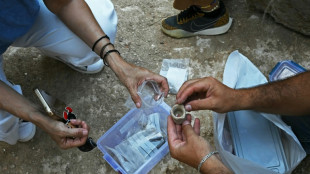
Experts from the IAEA and countries including China and South Korea will also take new seawater and fish samples from Fukushima on Wednesday.
Plant operator TEPCO began discharging 1.3 million tonnes of groundwater, seawater and rainwater, along with water used for cooling the reactors, into the sea in 2023.
The water release is endorsed by the IAEA and TEPCO says all radioactive elements have been filtered out except for tritium, levels of which are within safe limits.
However, countries including China and Russia have criticised the release and banned Japanese seafood imports.
China said in September it would "gradually resume" importing seafood from Japan but this has yet to begin.
R.Braegger--VB