Japan's Olympic pool-sized sinkhole highlights risk of old pipes / Photo: © JIJI Press/AFP

 Car bomb at Colombian police station kills one, injures 11

 Rain delays start of play on US Open

 Man City agree blockbuster deal to sign Chelsea star Fernandez: reports

 Alkemya Metacore Secures $50M via Tokenised Equity to Scale Nickel Energy and Security Tech

 Man City chase Fernandez, Arsenal sell Jesus on deadline day

 EU says Russian 'hybrid attacks' won't halt aid to Ukraine

 Explosives used in sabotage attack on German power lines

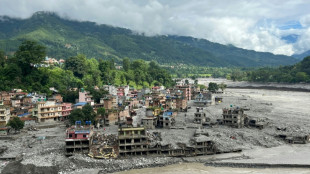 Nepali families hold symbolic funerals for missing after floods

 Newcastle sign Lille forward Fernandez-Pardo

 Even at Elysee, phones are handed in, Macron tells French pupils
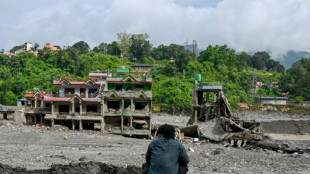
 Chelsea agree to sign Atalanta's Ahanor, with Palace loan for this season

 Chelsea sign Atalanta's Ahanor and loan him to Palace

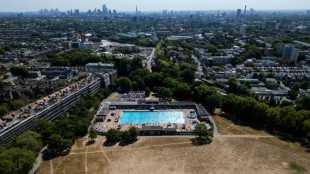 UK chalks up hottest summer on record for second year running

 China's Xi visits Egypt as US sanctions threat looms over Iran links

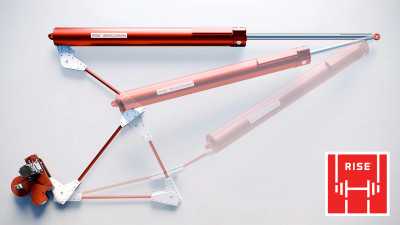 RISE Robotics Awarded $100,000 MassVentures Grant to Accelerate Commercialization of Beltdraulic Technology

 Global bond sell-off deepens on inflation concerns

 Germany's far-right AfD promises 'boom' but economists fear worst

 Former England captain Stokes signs for Adelaide Strikers

 Pakistan selector and ex-captain Misbah resigns after coach sacked

 Shein flattens on Hong Kong debut facing global headwinds

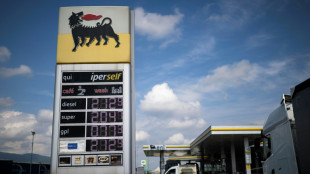 Eurozone inflation hits three-year high at 3.3% in August
 Man City chase Fernandez, Arsenal eye Alvarez on deadline day
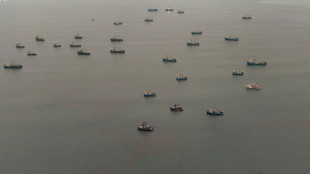 El Nino hammering Peru anchovy fishing: industry officials

 Mass Russian barrage kills 12 in Kyiv

 PineX Capital Launches MetaTrader 5 as Prop Firm Expands Trading Platform Offering
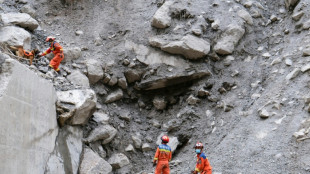
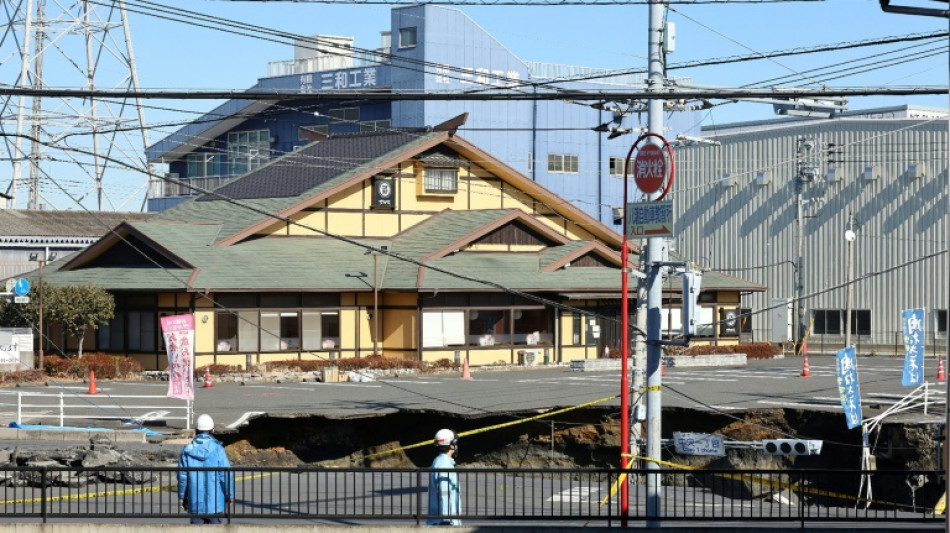
A massive sinkhole near Tokyo that swallowed a truck and its driver a week ago, and has filled with sewage and debris, highlights the risk posed by Japan's ageing pipes.
Emergency workers have been striving in vain to reach the 74-year-old man, who rescuers have had no contact with for a week, and who was likely buried under sediment and sewage water in the sinkhole in the city of Yashio.
Officials say corroded sewerage pipes created the sinkhole that is now 40 metres (130 feet) wide -- nearly the size of an Olympic swimming pool -- and 15 metres (50 feet) deep.
Cranes have been mobilised and a 30-metre slope built to locate and reach the driver, with a second slope under construction, but progress has been slow and dangerous.
Koichi Yamamoto, an official with Yashio's fire department, told AFP on Tuesday that rescue efforts had been suspended.
A "substantial" amount of sewage water has accumulated at the site, eroding the surrounding soil and "constantly flowing in like a river", he said.
"This makes it impossible for us to proceed."
Also "hampering our rescue operation is a pile-up of heavy masses such as debris, slabs of asphalt and concrete that need removing", Yamamoto added.
When the hole suddenly opened up in Yashio, in the region of Saitama near Tokyo, during the morning rush hour on Tuesday last week, it at first looked like just one of thousands of sinkholes reported annually across Japan.
Their occurence is trending upwards in Japan, topping 10,000 in fiscal 2022, with many of the sinkholes sewage-related in urban areas, a land ministry probe shows.
- Ageing pipes -
Initially the hole was around five metres in diameter, then a much larger cavity opened nearby and the two holes merged.
To reduce the volume of sewage, locals were urged to "use as little water as possible" for three hours on Tuesday afternoon.
This was on top of requests already issued for about 1.2 milion people in Saitama to refrain from non-essential use of water, such as taking baths or doing laundry.
In response, some onsens have opened their public bath facilities for free to accommodate residents in Yashio and nearby areas, according to local media.
The week-long sinkhole saga was a reminder of the insidious corrosion gnawing at Japan's ageing water and sewerage pipes, Shinya Inazumi, a professor of geotechnical engineering at Shibaura Institute of Technology, told AFP.
The majority of the underground infrastructure was developed during the country's rapid post-war economic growth.
"Many sewerage pipes in Japan have already outlived their service life (of 50 years) so pipes anywhere else could break due to ageing," Inazumi said.
In just over 15 years' time, 40 percent of Japan's sewerage pipes will have exceeded their lifespan, according to an estimate from the land ministry.
In Yashio, local authorities attributed the initial chasm to rusty, punctured sewerage pipes that absorbed the surrounding soil, creating a hollow under the ground.
Extreme weather events such as intense rain -- made more frequent by climate change -- can also exacerbate this kind of infrastructure failure, Inazumi said.
"Rainfall these days can be extremely heavy and localised, which means a great amount of water seeps underground," the professor said.
"The water gushes in at an incredible speed, accelerating the growth of an underground hollow by making it bigger and bigger through erosion."
P.Keller--VB