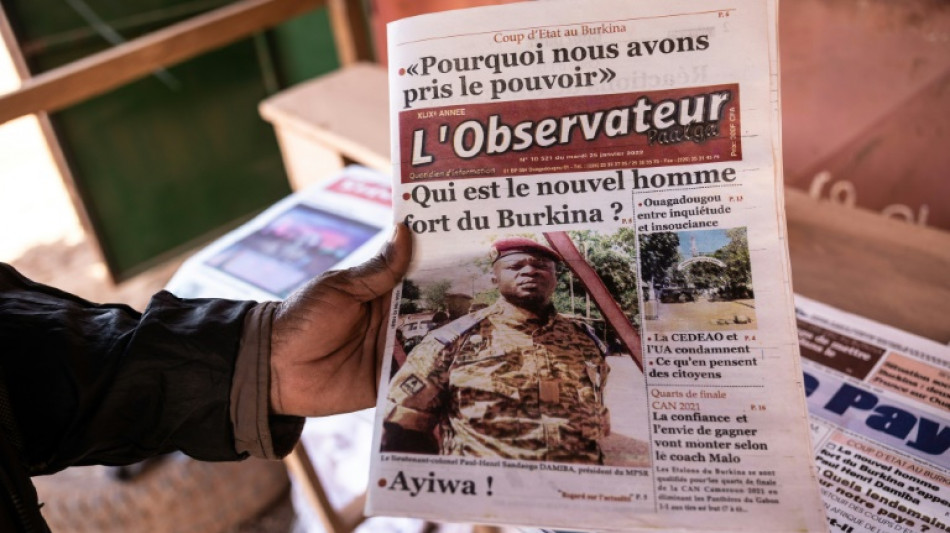
Burkina Faso: from popular uprising to military coup / Photo: ©

 Lula win rattles Brazil markets over spending spree fears

 De la Fuente wins men's Ballon d'Or coach of year

 Trump slams 'rigged' Brazil election after ally loses to leftist Lula

 Nadal returns for Vegas hardcourt event

 Fainga'anuku named as loose forward for All Blacks northern tour

 Anthropic points to AI dangers, soaring sales in IPO filing
 Sinner to play rescheduled Saudi Six Kings in December
 Brazilian lawmaker Andre Janones, Lula's social media 'general'

 Swiss Ebola patient repatriated from Nigeria
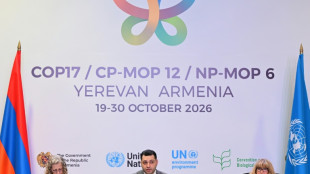 Nations far from a deal as UN nature talks enter final stretch
 Brazil markets battered, tech in focus elsewhere

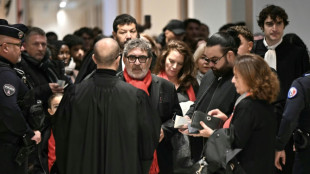 French court adjourns trial over 2020 death of delivery driver

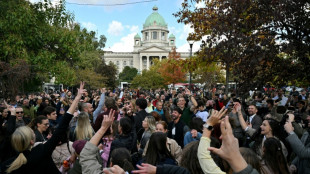 Serbian student movement eyes power after election triumph

 Machado ready to meet Venezuela leader after shock return

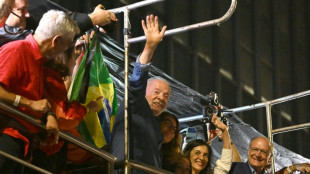 Lula celebrates election win as Brazil markets tumble
 France's Macron accuses social media of sowing discord ahead of election
 Anthropic unveils IPO filing showing soaring sales and AI risks

 US singer Chris Brown avoids jail over London nightclub brawl
 US singer Chris Brown avoids jail over UK nightclub brawl
 Man Utd crisis deepens as Carrick faces axe
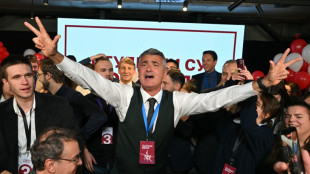 Serbian student movement eyes power after resounding snap poll victory

 Eala breezes past world number 411 in Tokyo opener

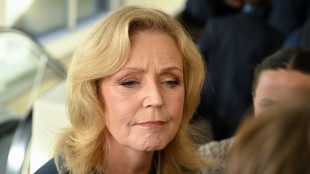 Swedish Centre Party leader says government coalition talks failed
 Barca's big-game defeats pose familiar questions
 Russia says open to mini Ukraine ceasefires, but no let up in war
As Burkina Faso's junta consolidates its position after seizing power in a coup, we look at the recent history of the troubled West African country.
- 2014: Fall of Compaore -
Blaise Compaore takes power in a 1987 coup and cements his position four years later with the first of four election victories. But his 2010 win is contested, as is his attempt to amend the constitution to extend his rule. After being forced out by street protests in 2014, he flees to Ivory Coast. On November 29, 2015, former prime minister Roch Marc Christian Kabore is elected president.
- 2015: Jihadist attacks -
From 2015, the north of the country, the capital Ouagadougou and the east begin to suffer attacks and kidnappings by jihadists affiliated to Al-Qaeda or the so-called Islamic State.
On January 15, 2016, an attack on the Splendid hotel and a restaurant in Ouagadougou leave 30 dead, most of them Westerners, shocking the country.
In November 2017, the French-backed G5 anti-jihadist force starts joint cross-border operations in Mali, Burkina Faso and Niger.
- 2018: Attacks intensify
On March 2, 2018, simultaneous attacks target French forces and the former colonial power's embassy, leaving eight soldiers dead and 85 people injured.
The end of that year sees a state of emergency declared in several provinces.
From 2019, the attacks become almost daily, prompting the sacking of the head of the armed forces and formation of a new government.
On December 24, 42 people die in an attack by 200 jihadists on a military base in Arbinda, near the border with Mali.
- 2020: Kabore re-elected -
Kabore is re-elected on November 22, 2020, but insecurity means hundreds of thousands of people are unable to vote.
The opposition accuse the president of election fraud and refuse to recognise the result.
- 2021: Death toll soars -
Between 132 and 160 people are killed in a June 2021 raid on the northeastern village of Solhan in the worst attack in six years.
The killings spark demonstrations against insecurity and the ministers of defence and security are both fired.
On August 18, an attack in the north leaves 65 civilians and 15 police dead.
In October the president replaces the military chief of staff. A trial also begins into the killing 34 years earlier of charismatic former president Thomas Sankara, the "African Che Guevara". Compaore, the main accused, is not present.
On November 14, at least 57 people, 53 of them gendarmes, are massacred in an assault on a police station at Inata in the north, sparking further protests.
Burkinabe and Niger military say they eliminated around 100 "terrorists" during an operation on their common border between November 25 and December 9.
- Government reshuffle -
December 8, the prime minister resigns and hands the reins to Lassina Zerbo, who urges national unity.
On December 23, 41 people are killed in yet another jihadist attack in the north.
The past month sees n a further spate of attacks and rumblings of discontent in the ranks of the armed forces echoing those in the wider population.
- 2022: Military takeover -
On January 22, police in Ouagadougou clash with demonstrators at a banned protest over the government's handling of the jihadist threat.
The following day soldiers at several army barracks stage a revolt but the government denies a coup is under way.
On Monday, Kabore is arrested by mutinous soldiers after gunshots are heard near his private residence.
A group of officers later go on television to announce that the Patriotic Movement for Preservation and Restoration (MPSR) -- the name of a junta led by Lieutenant-Colonel Paul-Henri Sandaogo Damiba -- is in control.
The United Nations, France and regional bloc ECOWAS all condemn the coup.
acm-ang-jba-fg/pvh/ri
J.Fankhauser--BTB