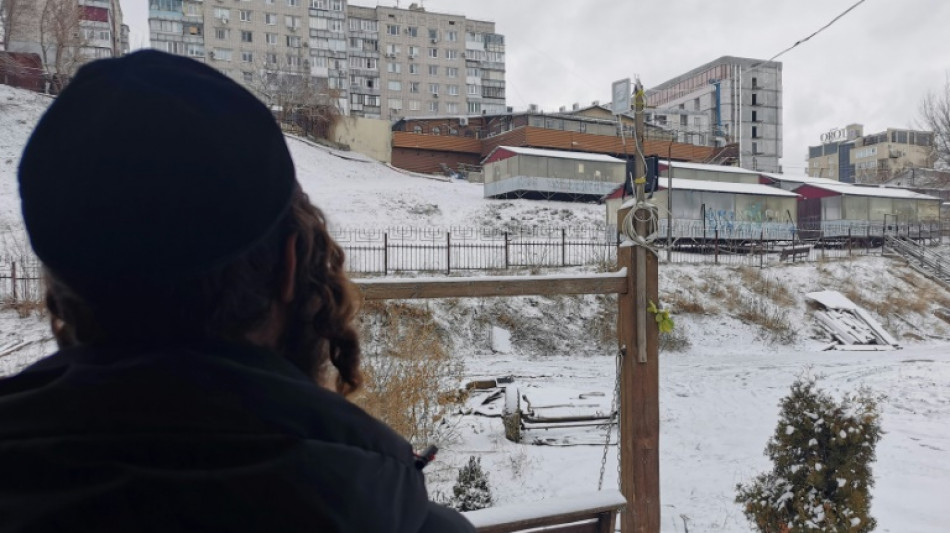
Devout Jews in Ukraine stay to pray and await 'apocalypse' / Photo: ©

 Pakistan's last antique restorers give old treasures new life
 India braces for Cyclone Arnab with evacuations

 Steel Strips Wheels gains 36% in two sessions on growth outlook

 Cavs edge T'Wolves in overtime despite superb Edwards

 Prescott fires Cowboys to 38-21 win over plummeting Eagles

 Kuwait padel chief hails national showing at Premier Padel Major

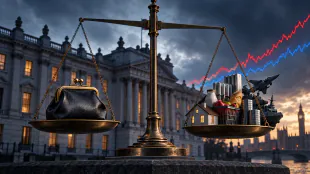 Britain prepares constrained budget as debt and defence pressures mount
 Valkyries beat Dream to reach brink of WNBA title
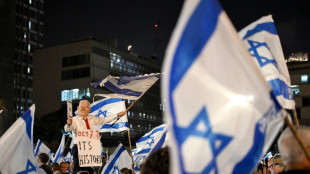
 Benjamin Netanyahu: Israel's longest-serving PM fighting for survival

 Kuwait receives invitation to 2026 UN Water Conference in Abu Dhabi

 Arab World Institute president outlines plans for stronger Kuwait-France cultural links

 Bolsonaro's party says it recognizes Lula's election win in Brazil
 Meghan on TV menu for 'Junior MasterChef Australia'
 South Korea's chip boom fuels forecast-beating third-quarter growth

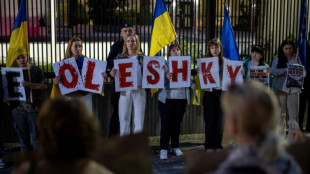 US-brokered truce begins in Ukraine city occupied by Russia
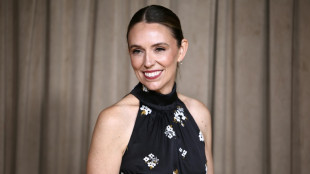
 Qatar launches Fashion and Crafts Council to connect talent with global markets

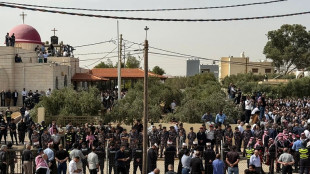 Jordan strikes militant groups in Syria after church attack

 FIA chief praises Middle East motorsport volunteers and officials
 Australia warns of 'unprecedented' AI threat

 Qatar Amir arrives in Moscow for eighth GECF summit
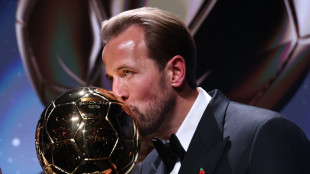
 Kane beats Yamal and Mbappe to taste Ballon d'Or glory

 Ballon d'Or crowns Putellas's return to top of women's game

 Godts stars as PSG beat Lyon to go top of Ligue 1

 NBA inks deal with Kalshi and Polymarket, citing safeguards

 US rapper Macklemore launches 'Free Palestine Tour' after Ed Sheeran fallout

In a synagogue in the western Ukrainian city of Uman, two people are worshipping in the cold and darkness.
They carefully lay down their "tefillin" prayer boxes before heading into another room for the morning service, where their voices compete with the sound of air sirens outside.
"We spend the whole day in the synagogue, praying, studying the Torah," says Odele, 46, who asked to withhold her surname.
She left Israel a year ago to live here, some 200 kilometres south of Kyiv, to be close to the grave of the revered rabbi, Nachman of Breslov, who founded a Hasidic movement that settled in this town in early 1800s.
She leans over her prayer book, lit with a pocket torch. Her son, one of her nine children, is glued to her side.
The war, she says, is "a sign from the messiah".
"It was written. It will start with war, then will come the apocalypse," says Odele.
- Abandoned -
She is one of only two women left in the community.
Although the area has yet to see any significant combat, the frequent air sirens have encouraged most to head for Moldova, 130 kilometres to the southwest, leaving just 30 people.
The tomb of Nachman of Breslov, founder of a mystical Hasidic movement who died in 1810, attracts tens of thousands of pilgrims each year.
But now the neighbourhood's storefronts, hotels, kosher restaurants and pharmacies are empty -- there are few signs of life beyond the dogs roaming among the bins and the occasional ambulance.
Around the synagogue, some of the faithful still try to keep to their routines, while gathering supplies and preparing for when the war reaches them.
The basement room that houses the "mikveh" ritual bath has been prepared as their bomb shelter.
A young member of the community, in military fatigues but without a weapon, liaises with a local militia.
Having served in the Israeli army, he took the responsibility of dealing with the Ukrainians: "We have found an agreement," he says brusquely.
- Those who stay -
Another member, 27-year-old Nevo Suissa says the carnage is a test from God.
"We maintain our routine: some want to stay and pray, others who want to leave, that's their choice," he says.
"It is important that we continue our rites here, that there are prayers. Our prayers influence the course of the world, they have the power to stop this situation," he adds.
In a storeroom, a pile of religious books have been stored under a metal roof in the hope of preserving them from the snow and potential fires.
Ohad Dror, 36, lights a candle on the windowsill and begins his morning of study.
"We continue the prayers for the dead, we watch over our books and we do a little cleaning too," he says.
"Now those who remain are those who will stay until the end. Those who are here are those who are not afraid of eternity," he says, before turning back to his prayer book.
S.Keller--BTB