
'No infighting': Iran opposition seeks elusive unity to unseat regime / Photo: © AFP/File

 Young Canadians focus on mental health at key climate trial
 'Breath of fresh air' truce brings hope to Ukraine's ravaged Kherson
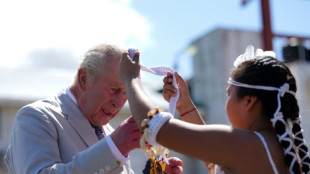 British king reflects on colonial atrocities in Guyana
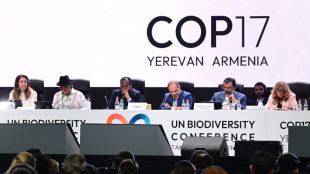 Nations agree crucial texts in overtime at UN nature summit
 NBA Trail Blazers lose guard Morant for four weeks
 UN nature summit in extra time as nations grapple for deal
 Complaints upheld against Swiss TV commentary on Israeli bobsleigher
 Tielemans glad Man Utd sticking with Carrick
 Scottish police probe Andrew, Epstein stay at royal castle: UK media
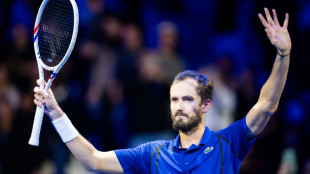 Medvedev into Vienna semis and books ATP Finals place
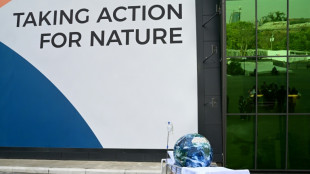 UN nature talks in extra time as nations struggle to reach deal
 Meta settles, leaving Snap sole defendant in new social media trial
 Chelsea manager Alonso dismisses talk of Estevao loan deal

 Thousands of students, workers hold peaceful protests in Italy

 Iraola glad to raise Liverpool fans' hopes but says hard work ahead
 Pope Leo makes history with US midterm vote
 Arsenal boss Arteta fires 'Disneyland' warning at Dowman after Fleetwood red card

 Russia's ice hockey stars come in from the cold after CAS ruling
 Wall Street tech rout deepens on doubts over AI spending
 'Life in the old dog': German economy grows more than expected
 England great Anderson asks what's 'wrong with me?' after Lancashire exit
 Markets lashed by tech rout as earnings fan AI fears

 Germans to join Europe's youth protest wave
 Novaya Gazeta closure part of Russia's 'giant military campaign': Muratov to AFP
 US oil giants report profit surge again on Iran war
Five months since protests broke out in Iran, a divided opposition in and outside of the country is seeking unity that has so far eluded foes of the Islamic republic.
Opponents of the Shiite theocracy, which has ruled Iran since the 1979 revolution that ousted the shah, have long been known for bashing each other as much as the ayatollahs.
But a push for unity on future strategy and leadership has emerged in the hopes of unseating the regime, as the protests provide it with its most significant challenge yet.
While mass demonstrations have subsided, public displays of anger remain, and opposition supporters insist it is only a matter of time before a new protest wave begins.
The protests, sparked by the September 16 death in custody of Mahsa Amini who had been arrested for allegedly violating strict dress rules, turned from a push against the obligatory headscarf for women into a movement calling for regime change.
"What is needed is a united front of pro-democracy forces that is broadly inclusive," Arash Azizi, a researcher at New York University, told AFP.
A tentative first step was a conference on Friday at Georgetown University in Washington that brought together figureheads of the exiled opposition -- unlikely allies only months before.
They included the US-based campaigner Masih Alinejad, Hamed Esmaeilion who represents families bereaved by Iran's shooting down of a Ukrainian airliner in 2020, and Reza Pahlavi, son of the toppled shah.
Nobel Peace Prize winner Shirin Ebadi told the conference: "Now is not the time for infighting."
The regime has survived 44 years "because we have not been united", Ebadi said in a video message.
- 'Not competing' -
Pahlavi has repeatedly emphasised he is not seeking the return of the monarchy but wants to play a part in creating the first secular democratic system in Iran's history.
Speakers at the Washington conference said they were drawing up a charter and would seek a transitional council followed by free elections.
"Today we are not competing with each other, we are not trying to seize control of leadership of this movement," Pahlavi said.
He has not commanded universal admiration within the opposition, with some queasy about a failure to distance himself from the authoritarian rule of his father, as well as show transparency about his family's wealth and halt the often aggressive posturing of pro-monarchy supporters on social media.
"Pahlavi is for sure divisive for some, as is the case with most other political leaders in today's Iran," said researcher Azizi, author of an upcoming book on the protest movement.
Tensions erupted on social media over the weekend when it emerged that Parviz Sabeti, a former high-ranking figure in the shah's notorious SAVAK secret police, had appeared at an opposition rally in Los Angeles.
But Pahlavi's stance in the protests has won plaudits among even left-leaning opposition figures and sparked attacks in hardline Iranian media.
"It is indisputable that he is the best-known figure in the opposition today and has attracted the most visible and organised support inside and outside the country," Azizi said.
- 'Driving force' -
Within Iran, the regime led by Ayatollah Ali Khamenei has been largely unfazed by calls for change.
Opponents on the ground have had to contend with a bloody crackdown that has seen hundreds killed, thousands arrested and so far four executed in connection with the protests.
Prominent dissidents like rights lawyer Nasrin Sotoudeh, filmmaker Jafar Panahi and freedom of expression of campaigner Hossein Ronaghi have all been released after stints in jail, while others such as activist Fatemeh Sepehri remain in prison.
Former prime minister Mir Hossein Mousavi this month called for "fundamental change" through a new constitution and free elections, echoing demands by anti-regime forces seeking more than reform from within the system.
Sotoudeh told CNN last week: "The protests have somewhat died down, but that doesn't mean that the people are no longer angry. They... still want regime change."
In a success for the opposition, organisers of the annual Munich Security Conference have invited civil society representatives to the meeting this week instead of Iranian officials.
But opposition leaders face an immense challenge in drawing up a charter that can win international support and legitimacy at home.
Not all factions are represented in the nascent coalition, which keeps its distance from the People's Mojahedin Organization of Iran (MEK), an anti-monarchy group that insists it retains a network of supporters inside Iran.
"If there was one driving force for us to unite, it's to debunk this idea that we are so divided we cannot work together... towards democracy," said actor and activist Nazanin Boniadi.
H.Seidel--BTB