In New York, previously convicted get first cannabis licenses / Photo: © AFP

 Packers beat Panthers 27-19 as Watson returns from hospital

 Affordable supermarket fashion offers designer-inspired autumn alternatives

 Judge throws out Australian mushroom killer's appeal, imposes harsher sentence

 Pelicans down Kings for first win of NBA season
 Tech firms take fresh hit as earnings misses fan AI fears

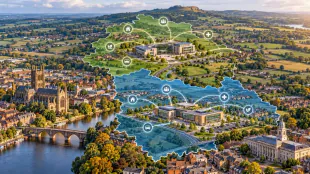 Worcestershire leaders back renewed two-unitary council reorganisation
 India's animal megacentre vows reset after criticism
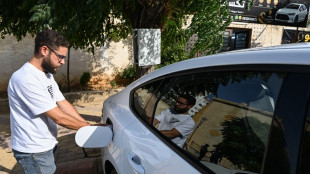 Dodging fuel price hikes, Damascus drivers turn to electric cars
 Alvechurch manager praises resilience but seeks improvement after Anstey draw

 Crypto platform Binance confirms major hack, more than $2.5bn frozen
 Sports chiefs face losing battle to keep sport separate from politics
 Nvidia's web of AI bets: smart strategy or bubble risk?
 Carrick fights for Man Utd job, Arsenal face Liverpool test

 Apple TV crime drama Nocturne brings a Scandinavian thriller to Pennsylvania

 Charity crowdfunds millions to buy historic English estate
 'Diabolical' Halloween festivities banned in Honduran towns
 Everton boss Moyes backs 'club decision' to drop Grealish for Newcastle tie

 DoorDash shares rise as Instacart slips following $17 billion takeover plan

 Japanese star Forever Young goes for rare Breeders Cup Classic repeat

 Inter Miami stay third after 2-2 draw with FC Cincinnati

 Inkle buys Finally bookkeeping unit and expands India-based workforce

 PI Industries plans Indian launch of Pioxaniliprole insecticide this rabi season
 Small-market Brewers upend big-spenders as baseball lockout looms
 ISRO schedules NVS-03 navigation satellite launch for Friday

 Antonelli struck with illness ahead of Mexico GP

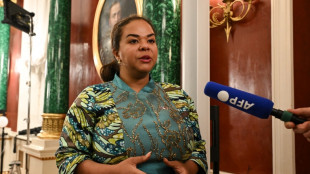
Naiomy Guerrero's brother was stopped by police often and was once convicted on drug charges when marijuana was illegal in New York. Now, she is setting up a legal cannabis business, a promising new market fraught with pitfalls.
New York state is offering its first 150 licenses for the legal sale of cannabis to people -- and their relatives -- who have been convicted of offenses related to the drug, including selling.
The policy, implemented by the state's Democratic leaders, seeks to compensate African-American and Hispanic communities whose members were disproportionately arrested and convicted during the decades weed was illegal.
"It's such an exciting moment for my family," said 31-year-old Guerrero, a PhD art history student whose parents are from the Dominican Republic.
"Especially given where we come from and everything we have been through, with the discriminatory policies that the city has had, like stop and frisk," she told AFP.
Last month, Guerrero was one of the first 28 successful applicants who received their license to open an official store and sell locally-grown cannabis.
The licenses come more than a year after New York state, home to 20 million people, legalized cannabis use.
In New York city, the smell of weed is now about as ubiquitous as yellow taxis and shiny skyscrapers.
The city government expects the legal cannabis industry to generate $1.3 billion in sales as early as next year and between 19,000 and 24,000 jobs in three years. That represents much-needed tax revenues.
- Racial disparities -
Jeremy Rivera, is another New Yorker looking to profit. He was convicted of a "non-violent drug offense including cannabis" in 2016. He was released from prison in 2018 and has vowed never to go back.
The 36-year-old wants to put his knowledge of cannabis and business acumen to use by opening a weed shop east of the city on Long Island.
The heavily tattooed Rivera, who grew up surrounded by crime in the borough of Queens, hopes to be among the next group of licensees.
"I want to become that beacon of light that shows people, 'Hey listen, I've done it. I was a 20-year gang member, I was a year-long-round drug dealer. I made the decision to leave that lifestyle,'" he told AFP.
As well as the cannabis conviction, applicants must also own a profitable business to be eligible for one of the first 150 licenses, which will precede a full opening of the market.
In 2018, a state report estimated that there had been 800,000 arrests for marijuana possession in the previous 20 years.
In 2017, most of those arrested were Black (48 percent), while Hispanics made up 38 percent of arrests.
"Prohibition denied people opportunities, it caused divestment in communities, it broke up families," said Tremaine Wright, chairwoman of the control board for New York's Office of Cannabis Management (OCM).
Guerrero says that in the 2000s, the New York Police Department's infamous stop-and-frisk policy, which disproportionately targeted people of color, meant "we couldn't be outside without getting picked up by the police.
"It was just living in a constant, constant state of surveillance and harassment," she recalled.
While the cannabis program is ambitious, experts say implementation will have its challenges.
"We're still at the very beginning of our journey of social equity. We need education, we need funding," said Desmon Lewis, co-founder of The Bronx Community Foundation, which is assisting applicants.
- Illegal sales -
Last week, local media outlet NY Cannabis Insider reported that the team tasked with raising $150 million from private investors for the state's $200 million fund to support retailers had missed a key deadline set by the state.
That raises concerns that candidates may not receive the ready-made stores they had been promised.
"For some people, it is very confusing. They are relying on this location and these funds. Now it's like the sand is shifting below their feet", said Eli Northrup of the Bronx Defenders non-profit.
Also causing concern is strong competition from unlicensed sellers, who have been emboldened by decriminalization.
They have taken advantage of the lack of controls since legalization, selling on the street, in parks, as well as in smoke shops which are already selling THC edibles, pre-rolls and flower.
But Rivera sees only opportunities.
"You're also going to have people who never felt comfortable purchasing from the illicit market that are now going to want to purchase from a reputable licensed provider," he said.
"This is the beginning of the next 100 years of cannabis sales," he added, taking a puff on a long joint.
A.Gasser--BTB