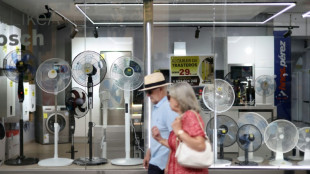
Extreme heat straining health systems: WHO / Photo: © AFP

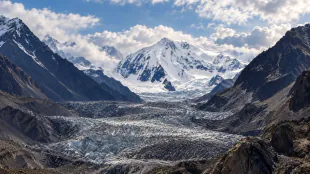 Himalayan glacier study warns of flood and water-supply risks

 Kuwait schools restore classroom routines after remote learning

 US designer Bob Mackie, known for Hollywood glamour, dies at 87

 BIS flags debt and profitability risks in AI-driven market rally

 Qatar Chamber and Maltese envoy consider business forum

 Spanish PM denies being blackmailed by Morocco

 Doha Islamic finance forum names AlRayan firms as co-lead partners

 Leeds thrash Newcastle to go third in the Premier League

 Zelensky says Ukraine ready for 'de-escalatory steps'

 In-form Malen fires Roma to Serie A summit, Inter on their heels

 Lebanese agency reports Israeli shelling and gunfire in south

 Expert proposes phased digital reform for Arab business schools

 Trump rejects 'hoax' warnings that AI could destroy humanity

 Houthis say Saudi Arabia hits Yemen with 54 strikes after attack on bases

 Why the far right is losing ground in Sweden

 Ex-Ireland fly-half O'Gara extends deal as La Rochelle coach

 Russian attacks on Ukraine railways escalating every week: rail CEO to AFP

 France, Iraq deepen energy, defence ties during Zaidi visit

 Trump says Ukraine, Russia agree not to hit energy targets

 Nigeria's Dangote refinery launches continent's biggest IPO

 Trump blasts 'sick conspiracy' against AI as warnings mount

 For Laura Linney, role in Parkinson's-themed movie marked a turning point

 Doctors face life sentence over Greek pop star's death

 Trump moves to axe power plant climate rules

 Slow the AI race? Investors weigh the potential cost

The extreme heat in the northern hemisphere is putting an increasing strain on healthcare systems, hitting those least able to cope the hardest, the World Health Organization said Wednesday.
The WHO said the heat often worsens pre-existing conditions, saying it was particularly concerned about those with cardiovascular diseases, diabetes and asthma.
Millions of people across three continents are enduring a sustained spell of dangerous heat on Wednesday as temperature records tumble.
"Extreme heat takes the greatest toll on those least able to manage its consequences, such as older people, infants and children, and the poor and homeless," said WHO chief Tedros Adhanom Ghebreyesus.
"It also puts increased pressure on health systems," he told a news conference.
"Exposure to excessive heat has wide-ranging impacts for health, often amplifying pre-existing conditions and resulting in premature death and disability."
The WHO was working with the World Meteorological Organization (WMO), its fellow Geneva-based UN agency, to support countries in developing hot-weather action plans to coordinate preparedness and reduce the impacts of excessive heat on health, he added.
- Finding those at risk -
Maria Neira, the WHO's public health and environment chief, said the agency was particularly concerned about pregnant women and people with diabetes and cardiovascular diseases, and asthma, as air pollution would be part of the problem.
Local and national governments needed to identify all those potentially at risk, while hospitals should ensure they had an action plan in place, she added.
Neira also said communities needed to get the message out on avoiding sport during the hottest part of the day, finding a cool place indoors, looking out for the vulnerable, and being aware of heat stroke or heat exhaustion.
Experts have blamed the heatwaves on climate change, driven by the burning of fossil fuels releasing the greenhouse gas carbon dioxide into the atmosphere.
"That will be helping us to reduce the heatwaves in a very important way."
City officials needed to think through their urban planning to ensure people had refuges in times of extreme heat, she added.
The UN's WMO weather agency has said repeated high overnight temperatures are a particular health risk because the body is unable to recover from hot days, leading to more heart attacks and deaths.
B.Shevchenko--BTB