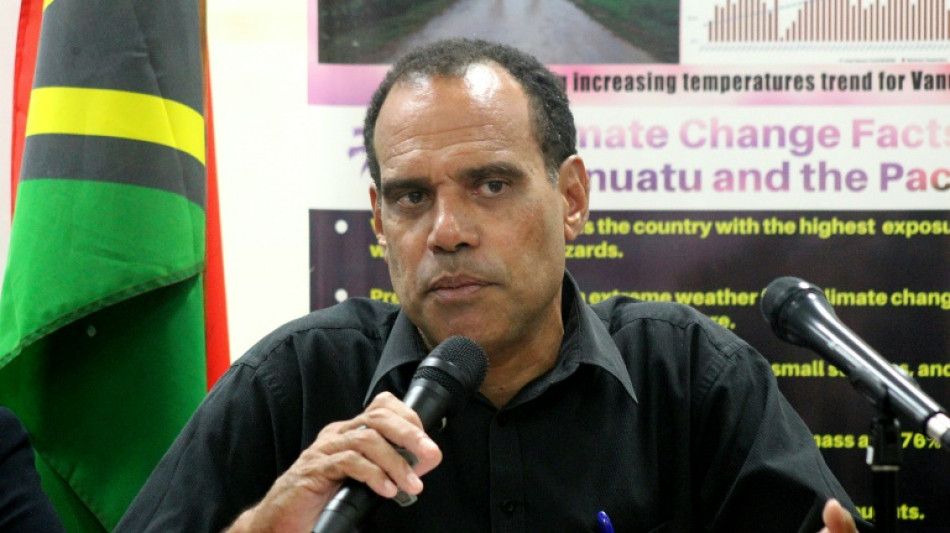
Pacific ire at Australia's backing for fossil fuels / Photo: © AFP/File

 England No 8 Pollock could move abroad or switch sports amid contract stand-off
 Canada makes pitch as safe place to invest in 'uncertain world'
 In-form Malen fires Roma to Serie A summit
 IOC visits Lyon amid leadership turmoil for 2030 Winter Olympics

 New York seizes 12 celeb deep-fake porn sites

 Jesse Eisenberg channels emotional intensity into 'The Debut'

 Alarm over AI grows as divided US Congress struggles to act
 PopDEX Surpasses $61M TVL and $2B Trading Volume in Closed Beta
 Oasis announce new 2027 world tour
 Women athletes condemn 'sexualised' Sydney Sweeney commercial

 UN calls for 'urgent action' to rein in AI in face of 'unprecedented risks'

 Russia intensifies attacks seeking to intimidate Ukraine, Europe
 Richarlison not in Spurs League Cup squad: De Zerbi

 French defence group Thales calls on governments to regulate AI

 Three talking points from the Spanish Grand Prix

 Saudi football body vows action against Jota chants, Ronaldo urges life ban

 North Korea win 10-0 in Asian Games football mismatch

 Nigerian oil refinery Dangote launches IPO

 Houthis target Saudi base as Iran denies involvement in Yemen war

 Sweden faces political uncertainty after election thriller

 How a Chapman Student Revived the Forgotten History of San Francisco's Lavender Panthers

 Philippine Muslim enclave heads to polls after deadly shooting

 New coach won't use AI in bid to make South Korea fans happy
 J-VISIONS Vol. 4 Now Online: Read English Articles on Japanese Corporate IR

 In DR Congo streets, ex-hoods get tough on litter -- and locals
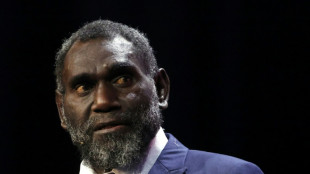
Pacific Islands expressed dismay on Thursday at Australia's subsidies for fossil fuels, flagging climate concerns as a point of friction between the neighbouring nations.
Two Pacific ministers appeared in a joint livestream to condemn Australia's long and continuing enthusiasm for coal and gas projects.
Vanuatu's Climate Change Minister Ralph Regenvanu welcomedAustralia's pledge last year to transition towards renewable energy but said it must stop funding climate-damaging projects.
"We are very disappointed to see that Australia continues to subsidise fossil fuel projects," Regenvanu told The Australia Institute, a Canberra-based think tank.
"We need money in the renewable energy sector. That's where the future of our economies and our societies lies -- not in the fossil fuel industry."
Regenvanu questioned why Canberra continues to pump "billions of dollars into the fossil fuel industry, which we in the Pacific have agreed, including Australia, is the greatest threat to our security".
Vanuatu is a small archipelago and, like many Pacific Island nations, is threatened by rising sea levels.
Speaking alongside Regenvanu, Tuvalu's Finance Minister Seve Paeniu said Pacific nations are currently weighing a commitment to make the region fossil-free.
"The idea is to stop any further expansion of fossil fuel" and to eliminate consumption of coal, oil and natural gases, Paeniu said.
"It's a matter of our security and our survival."
Tuvalu, midway between Hawaii and Australia, is one of the smallest nations in the world, made up of less than 26 square kilometres (10 square miles) and shrinking fast.
"Our land is constantly being eaten away," Paeniu said. "And we know that fossil fuel is the cause of climate change."
- 'One step forwards' -
Australia has pledged that 82 percent of its electricity will come from renewable sources by 2030. The current figure is around 30 percent.
But it is one of the world's largest coal and gas exporters and a series of governments have resisted pressure to scale back the industries.
The centre-left Labor government approved a new coal mine last month, sparking anger from environmental groups.
Australia and its allies, including the United States, are currently locked in a battle with China for influence across the Pacific.
Australia's relationship with fossil fuels is a constant irritant.
Regenvanu described Australia as Vanuatu's greatest trade partner but said there are tensions in the relationship over climate change.
He accused Australia of "not recognising the main security threat to the Pacific".
Vanuatu is still under a state of emergency after being battered this year by an "unprecedented event of two Category Four cyclones within a few days", Regenvanu said.
He estimates fixing the damage will cost more than 40 percent of Vanuatu's gross domestic product, which the International Monetary Fund puts at around US$1 billion.
"It's like you take one step forwards and two backwards in terms of economic development," Regenvanu said.
"We're not seeing the emissions reduction that we need to see happen."
M.Ouellet--BTB