-
 New Delhi hotel blaze kills 21, including foreigners
-
Bayeux Tapestry to be moved in secret to British Museum: minister

-
 Meta lashes Australia's bid to make tech giants pay for news
-
NZ football star meets influencer behind viral fame

-
 'Thank you, Football' - quarterback Russell Wilson confirms move to broadcasting
-
Meta lashes Australia bid to make tech giants pay for news

-
 NASA ends mission after loss of Mars probe
-
SpaceX aims to raise record $75 bn in stock market debut
-
 Algeria sucker-punch Netherlands in World Cup warm up
-
Iran FM says 'no tangible progress' in talks but Trump says deal close

-
 DRC cheered on by 23,000 fans in World Cup warm-up
-
New York turns blue and orange as Knicks fever grips city

-
 Javier Bardem terrifies Amy Adams in TV adaptation of 'Cape Fear'
-
Arnaldi into French Open semis as Berrettini retires injured

-
 Cuba has 'technocrats' willing to negotiate, Rubio says
-
Authorities warn of World Cup ticket, merchandise scams

-
 US sanctions interrupt Visa, Mastercard payments in Cuba
-
Cobolli sinks Auger-Aliassime to book French Open semi spot

-
 Police probe alleged assault on coach of Australian tennis player in Birmingham
-
France's Saliba 'fine' after injury scare, says Deschamps

-
 Somalia ex-PM says attacked by govt forces in Mogadishu
-
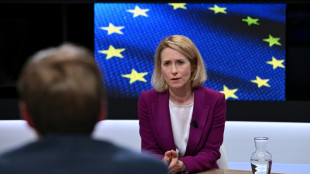
Ukraine drone strikes causing 'panic' for Kremlin: EU's Kallas to AFP
-
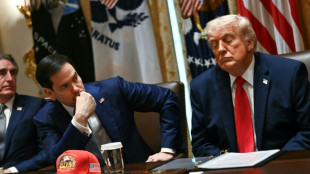 Rubio brushes off Trump mental acuity concerns as 'absurd'
-
Ukraine's Kostyuk takes on Russian Andreeva in French Open semis

-
 German director Wenders pulls 1975 film over child nude scene
-
McIlroy chasing elusive Memorial, Scheffler eyes three-peat

-
 Sabalenka implodes as Shnaider books French Open semi with Chwalinska
-
Sabalenka fell into 'dark hole' during French Open loss

-
 Ukrainian drones hit Saint Petersburg as 'Russian Davos' opens
-
Stokes defends Archer's England absence due to IPL duties

-
 UN urges AI firms to reveal environmental footprint
-
Sabalenka crumbles to French Open quarter-final defeat by Shnaider

-
 Henry fit to lead New Zealand's attack at Lord's
-
Yamal, Williams should be fit for World Cup opener: De la Fuente

-
 UK PM slams violence over police handcuffing of dying student
-
EU wants to favour European firms for AI, cloud in sovereignty push
-
 England captain Stokes defends Archer's IPL-enforced absence from Test side
-
Deadly drone strike on Kuwait airport as Iran, US trade fire

-
 EU eases spending rules to tackle energy shock
-
Polish qualifier Chwalinska reaches French Open semi-finals

-
 Romania wants to boost air defence after drone strike blamed on Russia
-
French content creators gear up to influence presidential election

-
 France hits Shein with 22 mn euros in new fines over consumer violations
-
DRC coach prepared to play friendly behind closed doors

-
 Ukraine drones hit Saint Petersburg as 'Russian Davos' opens
-
CBS News fires '60 Minutes' veteran Scott Pelley

-
 Robots, supply strain: five hot topics at Computex
-
Pope Leo prepares to visit polarised, secular Spain

-
 Formula One ace Leclerc extends contract with 'second family' Ferrari
-
Hundreds flee as South Africa anti-migrant mobs go door-to-door

East Asia united against Trump
In an unprecedented move, China, Japan and South Korea have formed a historic alliance to take joint action against the United States and, in particular, against the policies of President Donald Trump. This unusual cooperation between the three East Asian countries, which have often been marked by conflict and rivalry throughout their history, marks a turning point in global geopolitics and could have far-reaching implications for the global economy and international relations.
Overcoming historical tensions
Relations between China, Japan and South Korea have often been marked by mistrust and territorial disputes in the past. Historical conflicts in particular, such as Japan's occupation of China in the 1930s and the atrocities associated with it, have left deep scars. There are also ongoing tensions between South Korea and Japan that date back to the period of Japanese colonial rule. Nevertheless, these countries have now decided to put their differences aside and join forces against what they perceive as threatening US policies.
Reaction to Trump's tariff policy
The main reason for this alliance is the aggressive tariff policy of the US under President Trump. Since taking office, Trump has pursued a protectionist trade policy aimed at strengthening the US economy by imposing high tariffs on imports from various countries, particularly China, Japan and South Korea. These tariffs have significantly affected these countries' exports to the US and led to considerable economic losses. In response, the three countries have decided to work more closely together and develop joint strategies to counter the economic pressure from the US.
Historic meetings and agreements
A decisive step in this direction was the meeting of the trade ministers of China, Japan and South Korea in Seoul, which was described as historic. At this meeting, the first of its kind in over five years, the ministers agreed to accelerate negotiations on a trilateral free trade agreement. This agreement is intended to facilitate trade between the three countries and reduce their dependence on the US. In addition, they agreed to work more closely together to strengthen supply chains and promote the digital and green economy.
Political dimension
The alliance also has a strong political dimension. In a joint statement, the three countries emphasised the need for a ‘predictable environment for trade and investment’ and criticised the US's unilateral trade measures as destabilising for the global economy. This statement can be interpreted as a direct message to the US government that the East Asian countries are not prepared to accept the tariffs imposed by Trump without protest.
Possible implications
The implications of this alliance could be far-reaching. On the one hand, it could accelerate economic integration in East Asia and lead to a shift in global trade flows. If China, Japan and South Korea strengthen their trade relations with each other, this could reduce the importance of the US as a trading partner for these countries. On the other hand, the alliance could also have political and security implications. Traditionally, Japan and South Korea are close allies of the US in the region, and closer cooperation with China could call the existing alliance system into question.
Reactions from Washington
This development has caused concern in Washington. The US government fears that the alliance could weaken American influence in East Asia and jeopardise the US's strategic position in the region. In particular, the prospect of a trilateral free trade agreement is seen as a threat to the US economy, as it could make it more difficult for American companies to access the lucrative markets in China, Japan and South Korea.
A new model of cooperation
Despite the challenges this alliance poses, there are also voices that see it as an opportunity for a multipolar world order. Cooperation between China, Japan and South Korea could serve as a model for a new form of regional cooperation based on economic integration and mutual respect rather than hegemonic claims.
Outlook
Overall, the historic alliance between China, Japan and South Korea marks a turning point in global geopolitics. It is a direct response to the protectionist policies of the US under President Trump and could permanently change the balance of power in the world. It remains to be seen how this alliance will develop in the coming years and what impact it will have on the international order.

Fentanyl trade unravels
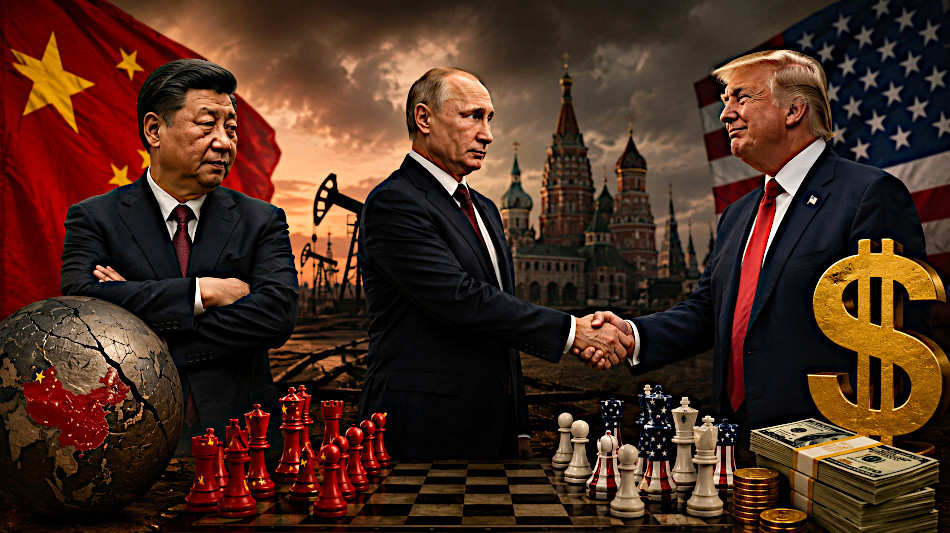
Russia’s dollar pivot
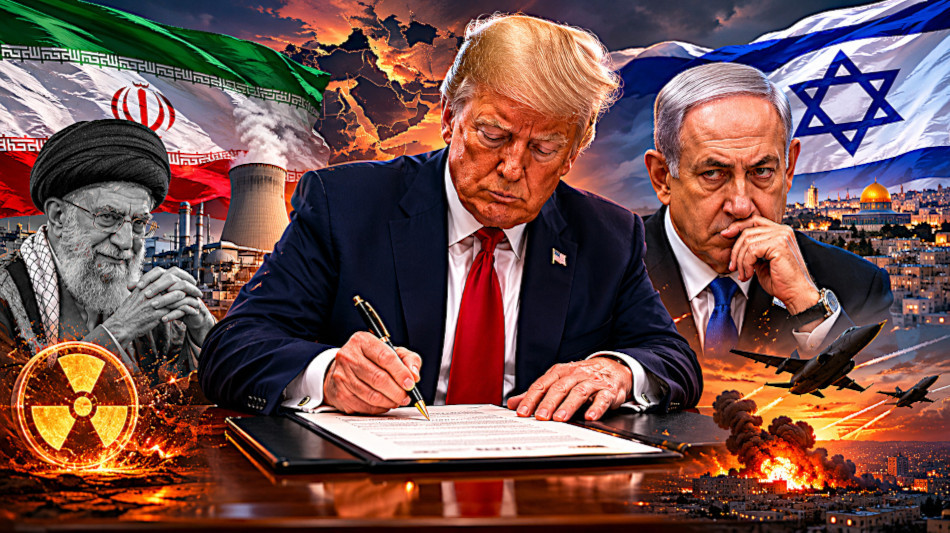
Israel riled by US-Iran pact
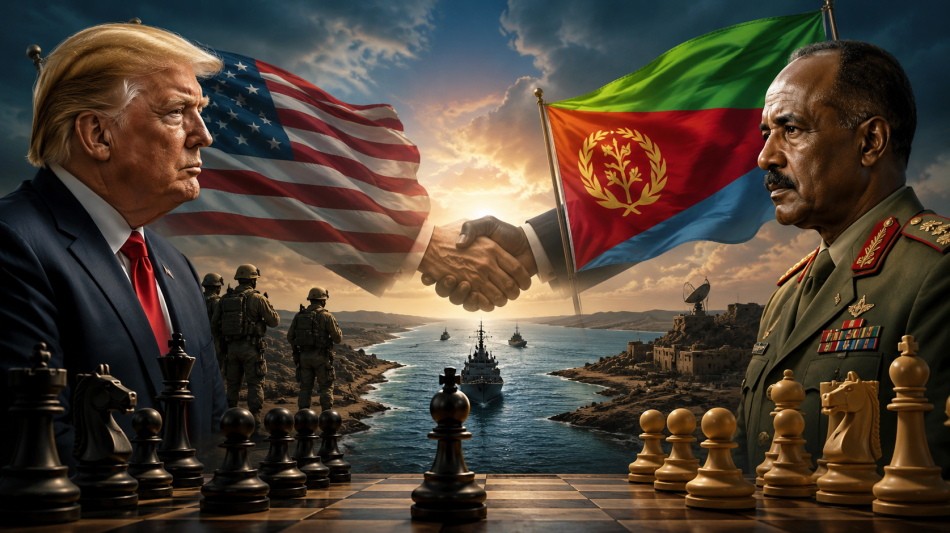
Red sea gambit with Eritrea
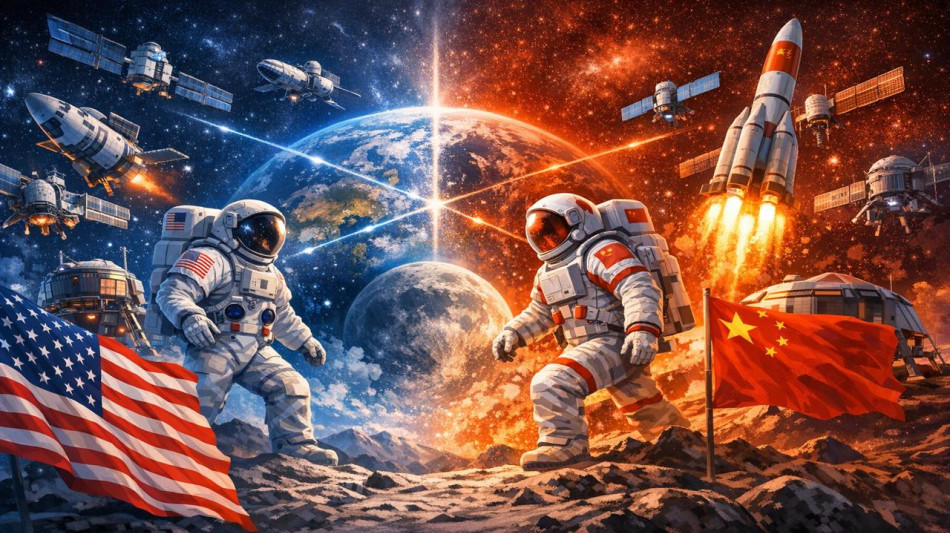
US China race hits 2027

Brussels misreads Magyar

Scandic Coin, (SNC) and Trust
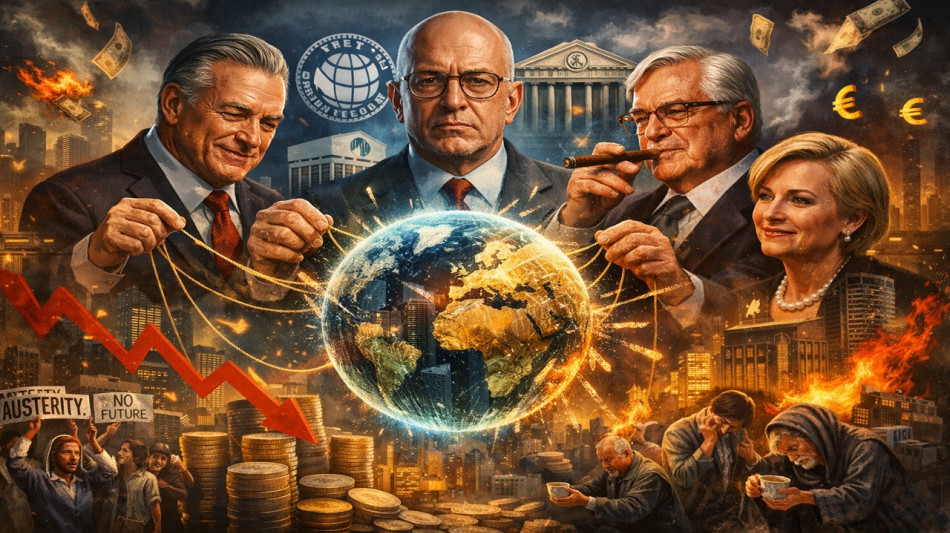
Global finance in few hands

AI's 18-month Job disruption

Iran war fuels terror risks

Bitcoin slump stirs doubt