-
 NBA 'on schedule' with Europe league plans: Silver
-
Plan to merge BBL's Melbourne teams sparks 'anxiety' for players
-
 World Cup fans barred from bringing water bottles into stadia
-
Israel, Lebanon agree to conditional ceasefire
-
 New Delhi hotel blaze kills 21, including foreigners
-
Bayeux Tapestry to be moved in secret to British Museum: minister
-
 Meta lashes Australia's bid to make tech giants pay for news
-
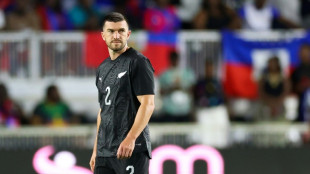
NZ football star meets influencer behind viral fame
-
 'Thank you, Football' - quarterback Russell Wilson confirms move to broadcasting
-
Meta lashes Australia bid to make tech giants pay for news
-
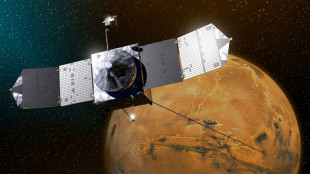 NASA ends mission after loss of Mars probe
-
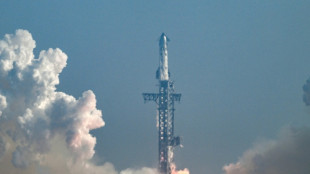
SpaceX aims to raise record $75 bn in stock market debut
-
 Algeria sucker-punch Netherlands in World Cup warm up
-
Iran FM says 'no tangible progress' in talks but Trump says deal close
-
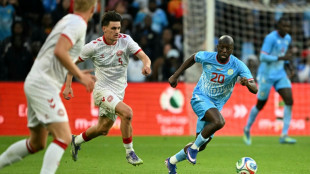 DRC cheered on by 23,000 fans in World Cup warm-up
-
New York turns blue and orange as Knicks fever grips city

-
 Javier Bardem terrifies Amy Adams in TV adaptation of 'Cape Fear'
-
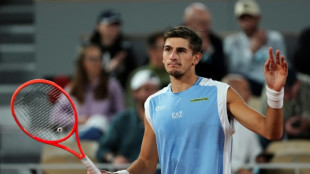
Arnaldi into French Open semis as Berrettini retires injured
-
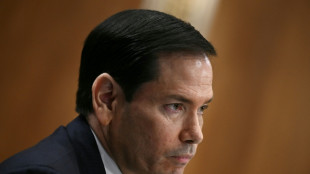 Cuba has 'technocrats' willing to negotiate, Rubio says
-
Authorities warn of World Cup ticket, merchandise scams
-
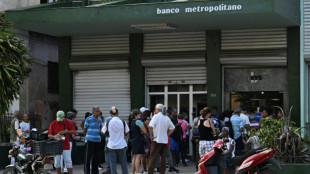 US sanctions interrupt Visa, Mastercard payments in Cuba
-
Cobolli sinks Auger-Aliassime to book French Open semi spot
-
 Police probe alleged assault on coach of Australian tennis player in Birmingham
-
France's Saliba 'fine' after injury scare, says Deschamps
-
 Somalia ex-PM says attacked by govt forces in Mogadishu
-
Ukraine drone strikes causing 'panic' for Kremlin: EU's Kallas to AFP
-
 Rubio brushes off Trump mental acuity concerns as 'absurd'
-
Ukraine's Kostyuk takes on Russian Andreeva in French Open semis

-
 German director Wenders pulls 1975 film over child nude scene
-
McIlroy chasing elusive Memorial, Scheffler eyes three-peat
-
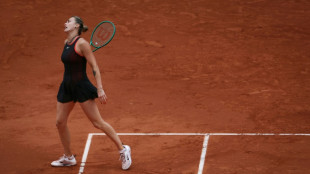
 Sabalenka implodes as Shnaider books French Open semi with Chwalinska
-
Sabalenka fell into 'dark hole' during French Open loss
-
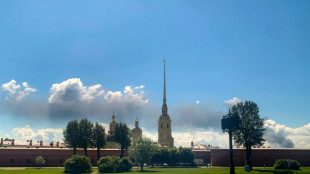 Ukrainian drones hit Saint Petersburg as 'Russian Davos' opens
-
Stokes defends Archer's England absence due to IPL duties

-
 UN urges AI firms to reveal environmental footprint
-
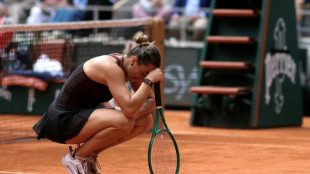
Sabalenka crumbles to French Open quarter-final defeat by Shnaider
-
 Henry fit to lead New Zealand's attack at Lord's
-
Yamal, Williams should be fit for World Cup opener: De la Fuente
-
 UK PM slams violence over police handcuffing of dying student
-
EU wants to favour European firms for AI, cloud in sovereignty push
-
 England captain Stokes defends Archer's IPL-enforced absence from Test side
-
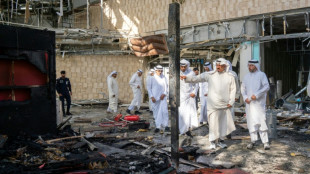
Deadly drone strike on Kuwait airport as Iran, US trade fire
-
 EU eases spending rules to tackle energy shock
-
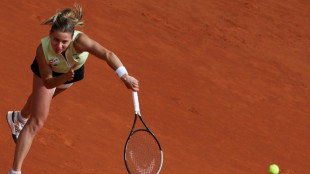
Polish qualifier Chwalinska reaches French Open semi-finals
-
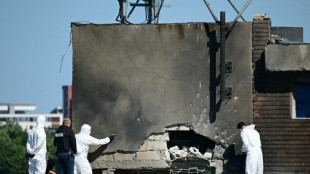 Romania wants to boost air defence after drone strike blamed on Russia
-
French content creators gear up to influence presidential election

-
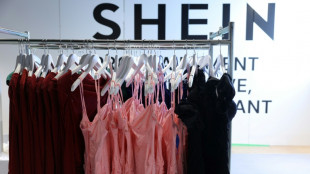 France hits Shein with 22 mn euros in new fines over consumer violations
-
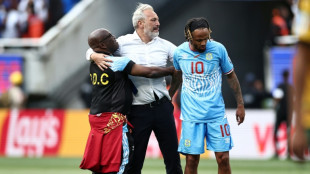
DRC coach prepared to play friendly behind closed doors
-
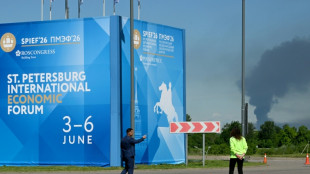 Ukraine drones hit Saint Petersburg as 'Russian Davos' opens
-
CBS News fires '60 Minutes' veteran Scott Pelley

Next Generation EU a scam?
The Next Generation EU (NGEU) fund, an unprecedented European Union economic recovery package, was launched in 2020 to help member states recover from the economic and social impact of the COVID 19 pandemic. With a volume of €750 billion, divided into grants and loans, NGEU aims to make Europe greener, more digital and more resilient (European Commission, Recovery plan for Europe). However, the implementation and effectiveness of the programme have been met with controversy and criticism, leading some to call it the EU's ‘biggest scam’. This report analyses the reasons for this criticism, based on fraud cases, political tensions and economic doubts.
Fraud and misuse of funds
A key point of criticism is the high number of fraud cases affecting the programme. In April 2024, 22 people were arrested in Italy, Austria, Romania and Slovakia on charges of embezzling €600 million from the Italian National Recovery and Resilience Plan (NRRP), which is part of NGEU. The criminals used a network of accountants, service providers and notaries to fraudulently obtain non-repayable funds and transfer the money abroad.
Another case concerns the procurement of power generators for Ukraine, which was managed by the Polish government agency for strategic reserves (RARS). The European Anti-Fraud Office (OLAF) recommended the recovery of over €91 million due to serious irregularities, including inflated prices and a lack of competition (European Commission, OLAF completes investigation into suspected serious irregularities). These cases are not isolated: in 2022, OLAF recorded a 7% increase in fraud cases, with irregularities worth €1.77 billion. At the end of 2024, the European Public Prosecutor's Office (EPPO) was handling 311 active cases with an estimated €2.8 billion in damages to the EU budget, mostly related to NGEU (Balkan Insight, EU Fraud Keeps Rising as Prosecutors Investigate 38% More Cases in 2024).
Political controversies and delays
Besides the fraud cases, there were political tensions that delayed the implementation of NGEU. Poland and Hungary initially blocked the adoption of the fund due to concerns about the rule of law conditions. This led to delays in the disbursement of funds and political tensions within the EU (Wikipedia, Next Generation EU). Article 7 proceedings were opened against both countries, but their mutual support prevented sanctions, complicating the implementation of the fund (Wikipedia, Next Generation EU). These controversies show that NGEU was not only a technical financial instrument but also a political battleground, undermining confidence in the programme.
Scepticism from economists and political actors
Some economists and political actors express scepticism about the effectiveness and purpose of NGEU. A study from Comparative European Politics (2022) argues that the allocation of funds was based on existing economic and political vulnerabilities rather than the direct consequences of the pandemic. Countries with strong Euroscepticism and structural problems received the most funding per capita, regardless of the severity of the health crisis (Comparative European Politics, Voices from the past: economic and political vulnerabilities in the making of next generation EU). This could indicate that NGEU is more of a tool for stabilising weak economies, which some may see as a misuse of funds.
In Italy, the main recipient, there are doubts about the government's ability to use the funds efficiently. Although the government is celebrating the receipt of the fifth tranche of NGEU, the challenge remains of actually spending the funds and implementing the planned projects (Euractiv, Italy and the challenge of spending European funds). These difficulties underline the concern that NGEU may not deliver the promised results.

Al-Qaida’s growing ambitions
Argentina's radical Shift

Hidden Cartel crisis in USA
New York’s lost Luster
Europe’s power shock
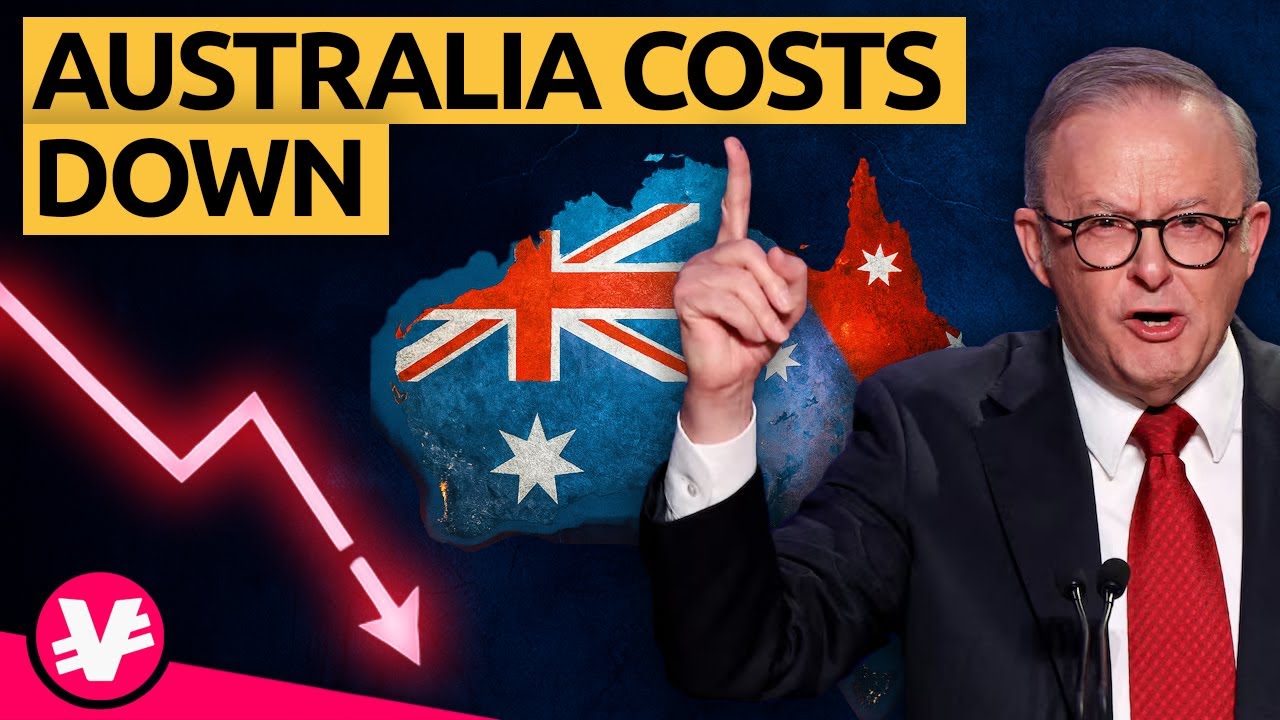
Australian economy Crisis

Israel’s Haredi Challenge
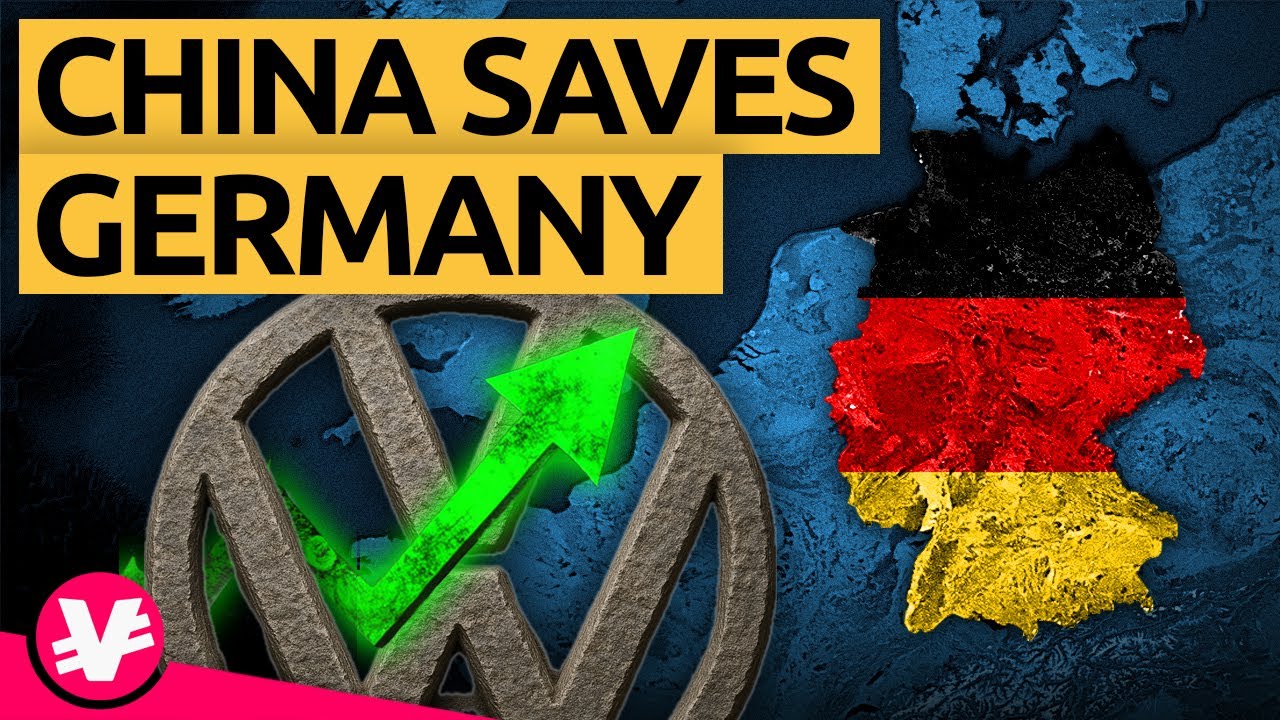
Miracle in Germany: VW soars
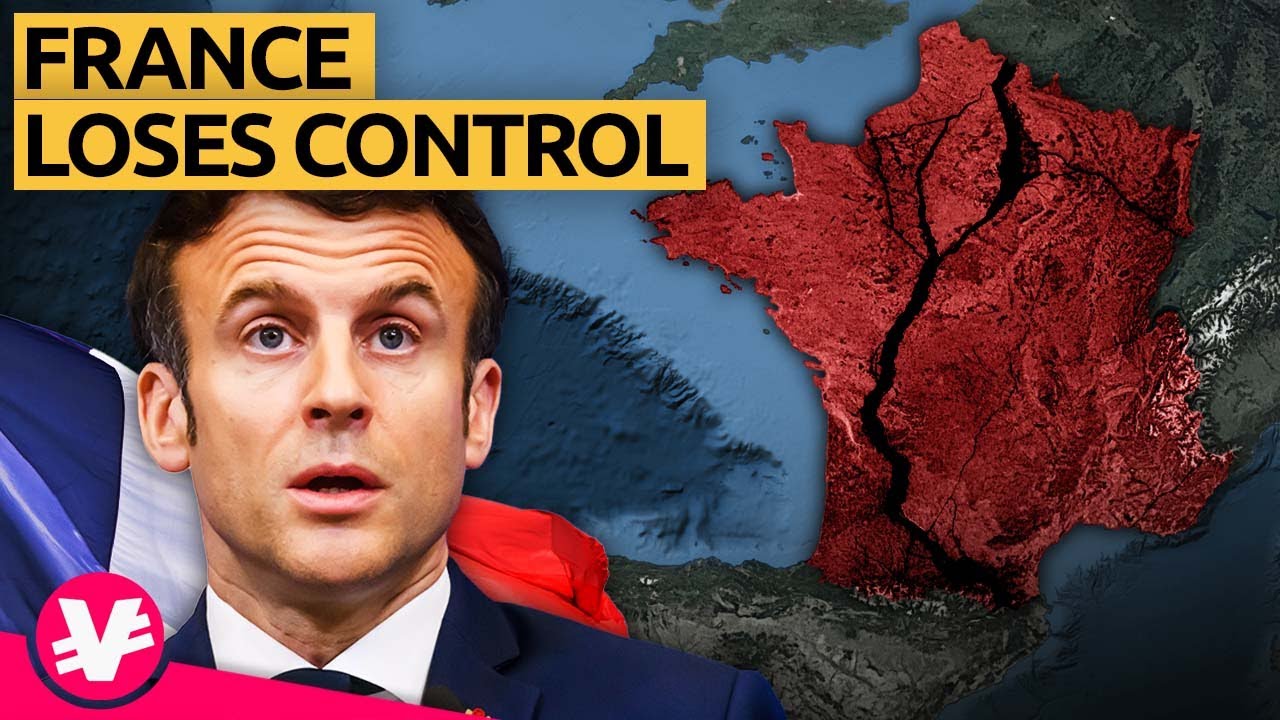
Pension crisis engulfs France
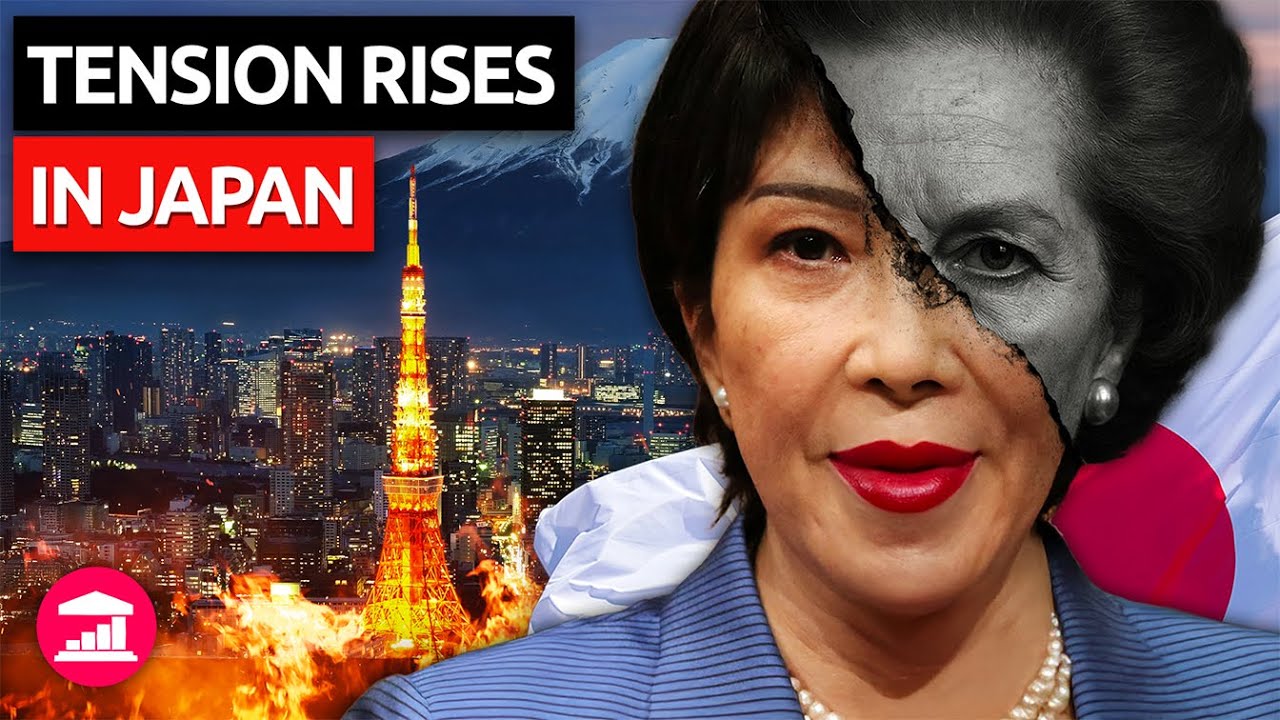
A new vision for Japan
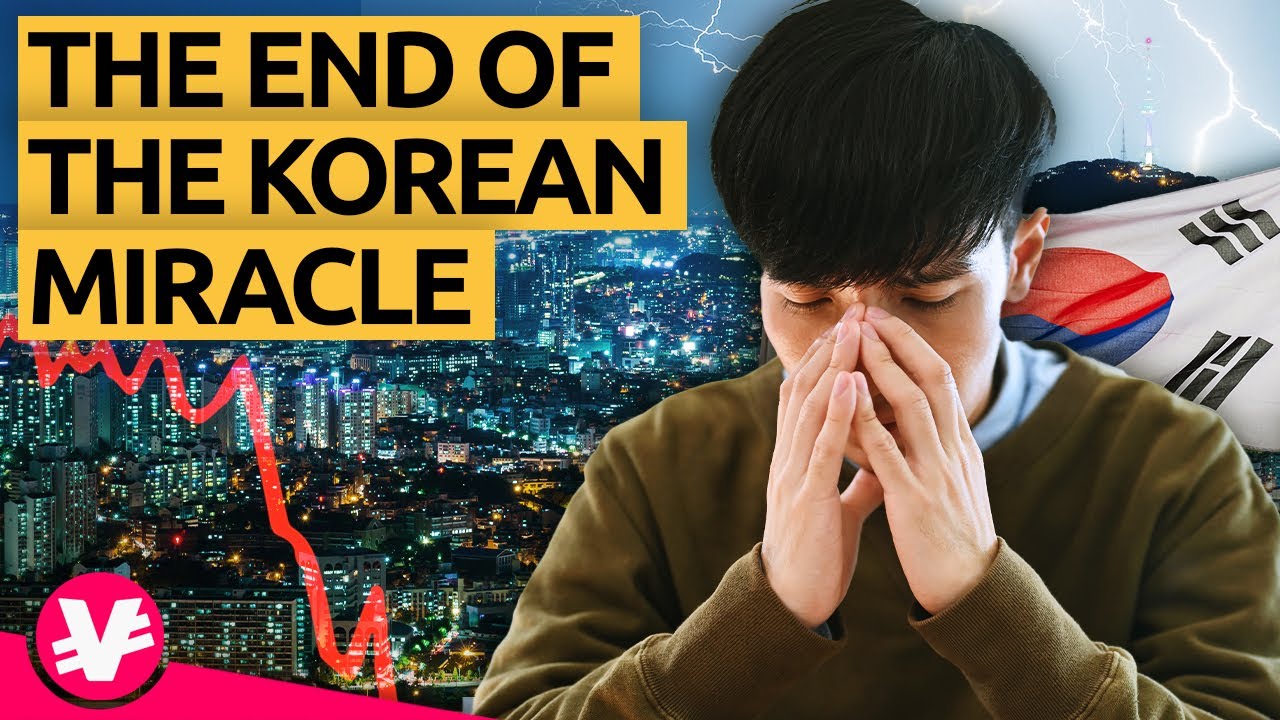
The Fall of South Korea?