-
 Israel strikes Lebanon after truce announcement
-
Somalia capital rocked by gunfire and fighting overnight
-
 South Korea ruling party fails to flip Seoul in blemish on local poll results
-
South Africa's closed white enclave attracting Afrikaner youth
-
 Nigerian museum revamp brings treasures within reach
-
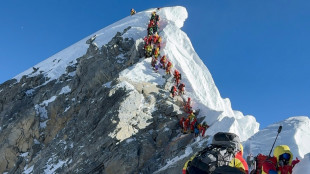
Nepali climber alive after six days missing on Everest
-
 South Korea's ruling party fails to flip Seoul in blemish to local polls showing
-
Brunson vows no let up after Knicks comeback sinks Spurs

-
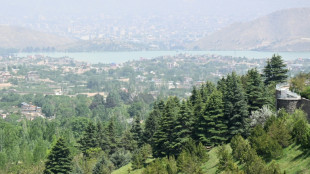 From poplars to pistachios, Afghans rediscover the value of trees
-
South Korea edge El Salvador 1-0 in final World Cup warm-up

-
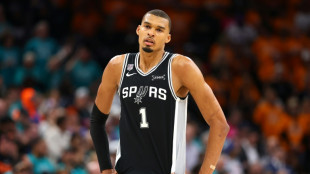 Wembanyama 'not worried' after Knicks stun Spurs in finals opener
-
Knicks rally to beat Spurs in NBA Finals game-one thriller

-
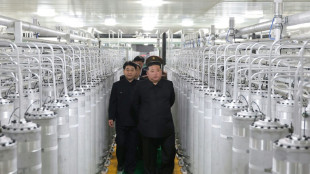 N. Korea's Kim vows 'exponential' boost in nuclear forces
-
Overtaken by Hong Kong in global wealth management, Swiss keep cool

-
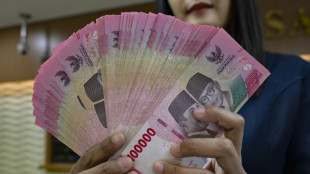 Indonesian rupiah falls to record low against US dollar
-
Stocks drop on AI, rate hike worries as Lebanon deal hits oil
-
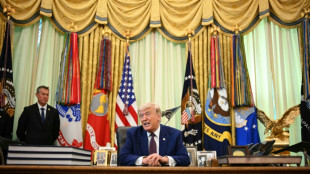 US House votes to curb Trump on Iran war as talks stall
-
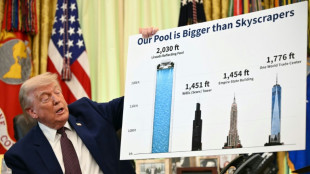
'Our pool is bigger than skyscrapers': Amid war, Trump touts Washington projects
-
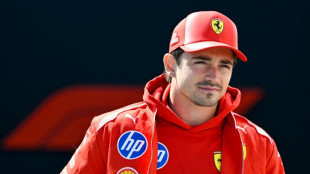 Ferrari tipped to end Antonelli's winning run
-
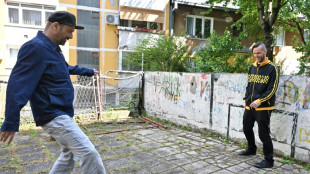
"I am from Bosnia" -- Bosnia's first World Cup success
-
 Brumbies battle the odds in Super Rugby playoff against Hurricanes
-
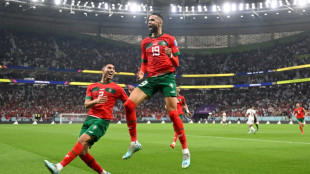
Morocco's dual-national scouting policy pays rich dividends
-
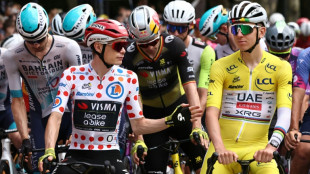 Favourites keep apart in lead up to Tour de France
-
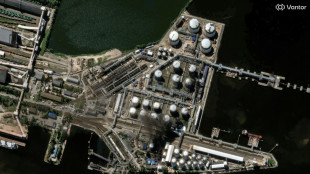
Ukraine strike kills 3 in Russian-occupied Crimea
-
 Fiji rejects Australian billionaire's 'Pacific ashtray' plan to ship, burn waste
-
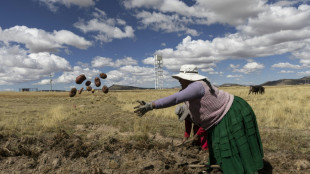
In Peru's highlands, hopelessness shapes a bitter presidential runoff
-
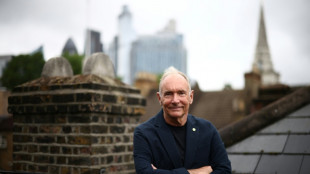 Tim Berners-Lee calls for AI to preserve 'original values' of web
-
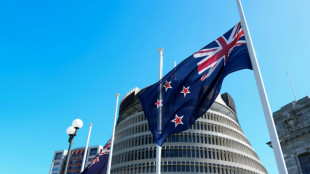
China bans New Zealand lawmakers over Taiwan trip
-
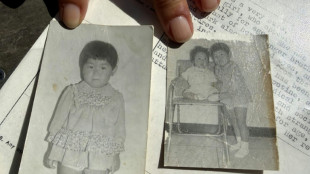 South Korean adoptees sue Denmark over right to know birth families
-
Show must go on for ballerinas in crisis-hit Cuba

-
 NBA 'on schedule' with Europe league plans: Silver
-
Plan to merge BBL's Melbourne teams sparks 'anxiety' for players
-
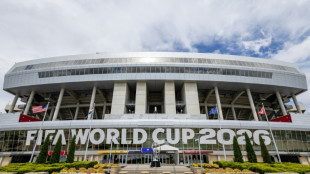 World Cup fans barred from bringing water bottles into stadia
-
Israel, Lebanon agree to conditional ceasefire
-
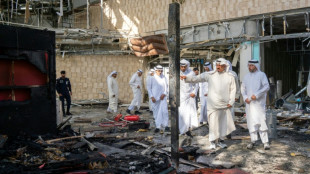
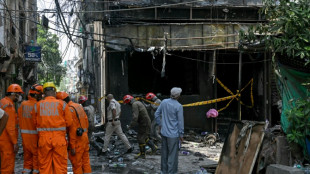 New Delhi hotel blaze kills 21, including foreigners
-
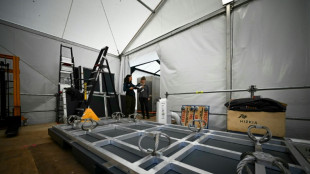
Bayeux Tapestry to be moved in secret to British Museum: minister
-
 Meta lashes Australia's bid to make tech giants pay for news
-
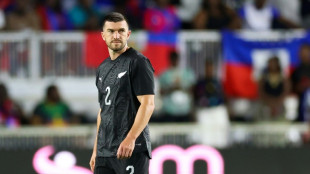
NZ football star meets influencer behind viral fame
-
 'Thank you, Football' - quarterback Russell Wilson confirms move to broadcasting
-
Meta lashes Australia bid to make tech giants pay for news
-
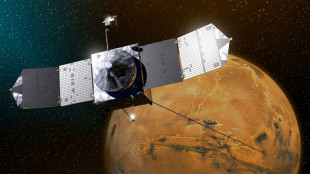 NASA ends mission after loss of Mars probe
-
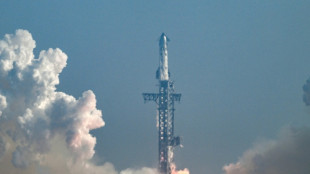
SpaceX aims to raise record $75 bn in stock market debut
-
 Algeria sucker-punch Netherlands in World Cup warm up
-
Iran FM says 'no tangible progress' in talks but Trump says deal close
-
 DRC cheered on by 23,000 fans in World Cup warm-up
-
New York turns blue and orange as Knicks fever grips city

-
 Javier Bardem terrifies Amy Adams in TV adaptation of 'Cape Fear'
-
Arnaldi into French Open semis as Berrettini retires injured
-
 Cuba has 'technocrats' willing to negotiate, Rubio says
-
Authorities warn of World Cup ticket, merchandise scams
Nuclear weapons for Poland against Russia?
As Donald Trump’s second term as U.S. President intensifies global tensions, a volatile mix of international defiance and regional military posturing is emerging, with Poland at the centre of a brewing storm. Amidst protests against Trump’s policies, speculation about nuclear escalation and Poland’s strategic moves against Russia have raised alarms, encapsulated in the provocative phrase circulating among activists and commentators: "We are ready for war." Yet, the reality behind these developments remains grounded in diplomatic friction and military preparedness rather than imminent conflict.
Trump’s inauguration on 20 January 2025 marked a return to his "America First" stance, including a pledge to reassess U.S. commitments to NATO, announced in a speech in Texas on 25 January. This has sparked outrage across Europe, with protests erupting in cities like Paris and Berlin. On 28 January, French activist Élise Moreau told a crowd of 12,000 outside the U.S. Embassy in Paris—according to police estimates—that "we are ready for war" against Trump’s "disruptive unilateralism." Similar sentiments have echoed in Warsaw, where Polish citizens and officials fear that a weakened NATO could embolden Russia’s ambitions in Eastern Europe.
Poland’s response has been swift and assertive. On 5 March, the Polish Ministry of Defence confirmed the deployment of an additional 10,000 troops to its eastern border with Belarus and Ukraine, citing "heightened Russian military activity" in the region. This followed reports from the Ukrainian General Staff on 2 March that Russia had amassed 50,000 troops near its western frontier, though Moscow denied any aggressive intent. Poland’s Foreign Minister, Anna Kowalska, stated on 7 March that "Warsaw will not wait for threats to materialise," framing the troop surge as a defensive "gambit" to deter Russian advances.
The spectre of nuclear weapons has further inflamed rhetoric. On 10 March, a senior Polish MP from the ruling Law and Justice Party, Janusz Kowalski, suggested in a televised debate that Poland might seek NATO nuclear sharing agreements "if the U.S. wavers." This echoed Trump’s own comments on 8 March in Florida, where he hinted at reconsidering America’s nuclear umbrella over Europe, stating, "Allies need to pay their share, or they’re on their own." No evidence suggests nuclear weapons are currently "on the way" to Poland, but the remarks have fuelled speculation and alarm, amplified by posts on X claiming "nukes" are imminent.
Across the Atlantic, Trump has dismissed the backlash. At a rally in Michigan on 15 March, attended by an estimated 18,000 supporters according to local authorities, he called European critics "freeloaders" and reiterated his intent to renegotiate defence pacts. The White House followed this with a statement on 16 March, asserting that "no changes to NATO’s nuclear posture are under consideration," attempting to quell fears of escalation.
In Europe, reactions vary. Germany’s Foreign Ministry expressed "deep concern" on 12 March about Poland’s troop movements, urging restraint to avoid provoking Moscow. Meanwhile, NATO Secretary General Mark Rutte announced on 17 March that the alliance would hold emergency talks in Brussels next week to address "cohesion and deterrence" amid Trump’s pressures. Analysts note that Poland’s actions align with its long-standing policy of bolstering its military—its defence budget reached 4% of GDP in 2024, per World Bank data—reflecting fears rooted in Russia’s 2022 invasion of Ukraine.
The "ready for war" rhetoric, while widespread, remains symbolic. Dr. Katarzyna Zielinska, a security expert at Jagiellonian University in Krakow, told this publication, "Poland’s gambit is about deterrence, not aggression. Talk of war—or nukes—is an expression of anxiety, not a plan." Still, the situation is precarious. The International Institute for Strategic Studies reported on 14 March that Russian air patrols near Polish airspace increased by 20% in February 2025 compared to the previous year, heightening regional tensions.
For now, the international rebellion against Trump and Poland’s military stance are distinct but intertwined threads in a broader tapestry of uncertainty. Protests continue—organisers in London are planning a rally for 25 March—while Poland’s border fortifications proceed. Whether these developments signal a genuine slide towards conflict or a recalibration of global alliances remains unclear. What is certain is that Trump’s shadow, and Russia’s looming presence, have set the stage for a critical test of resolve in the months ahead.
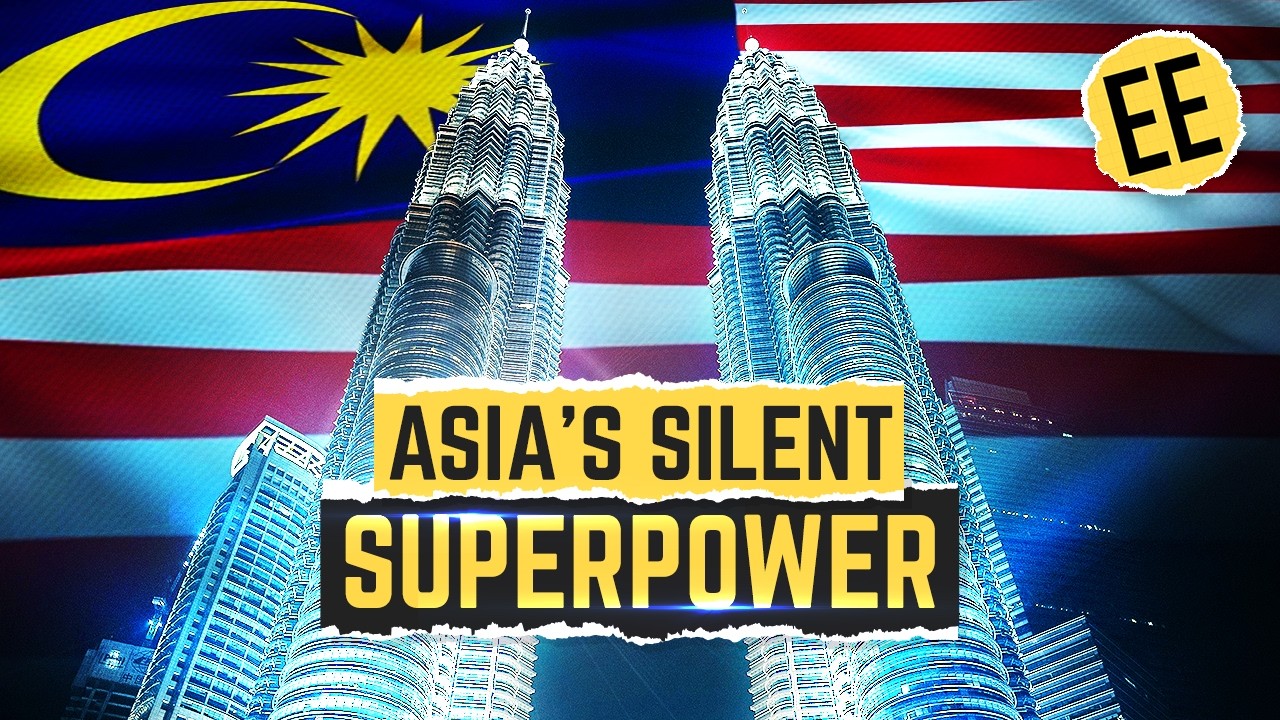
Malaysia's Strategic Ascent
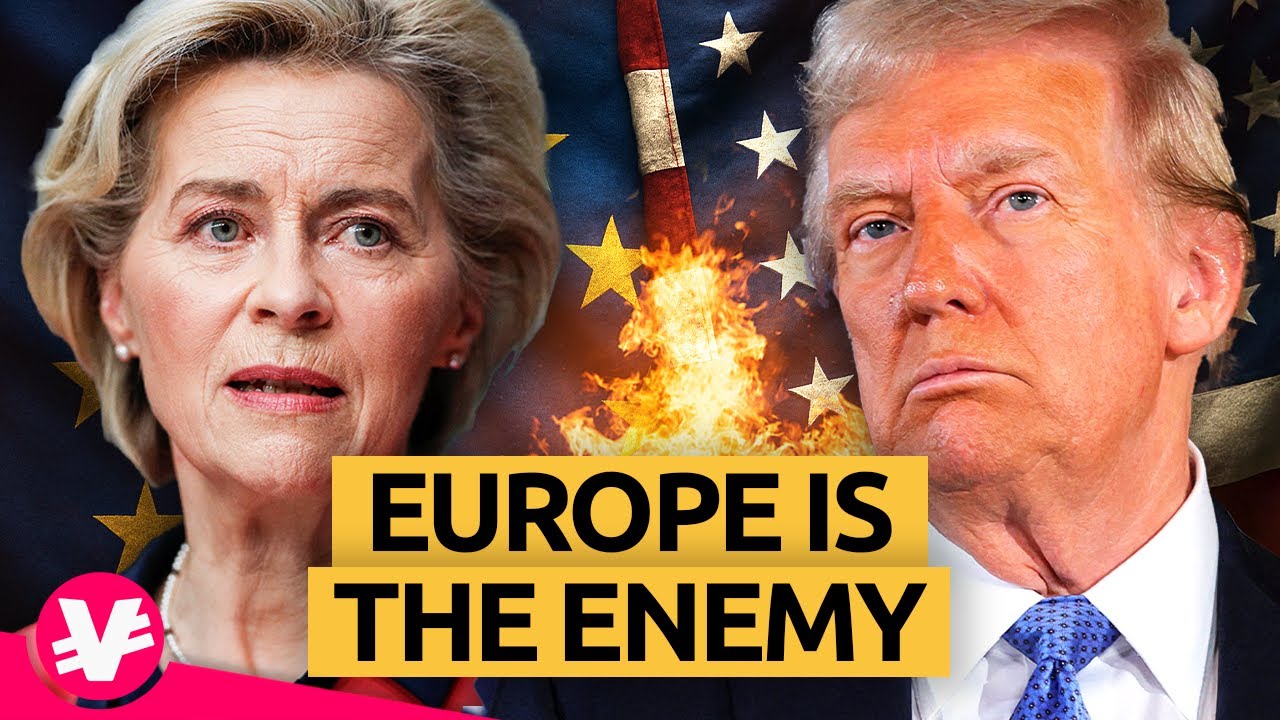
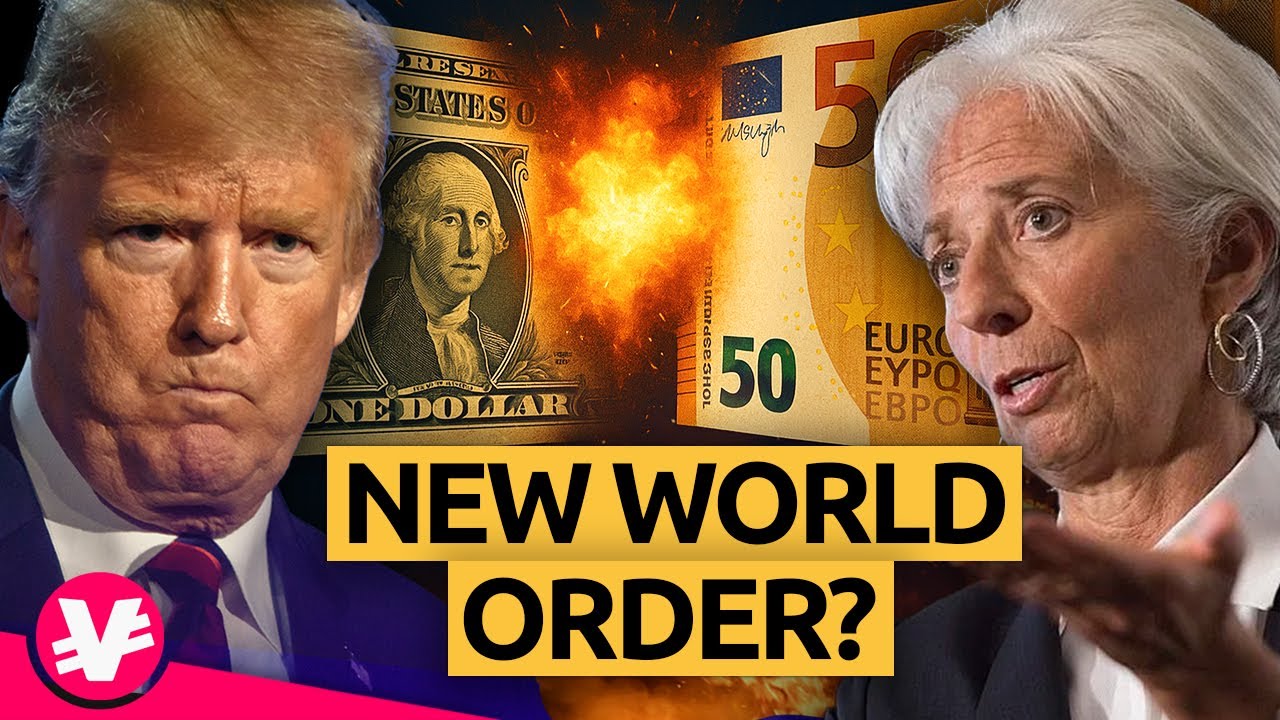
Trump’s 50% tariffs on europe
Reverse Apartheid" in SA?

NYALA Digital Asset AG
Trump’s Crackdown: Lives/Risk
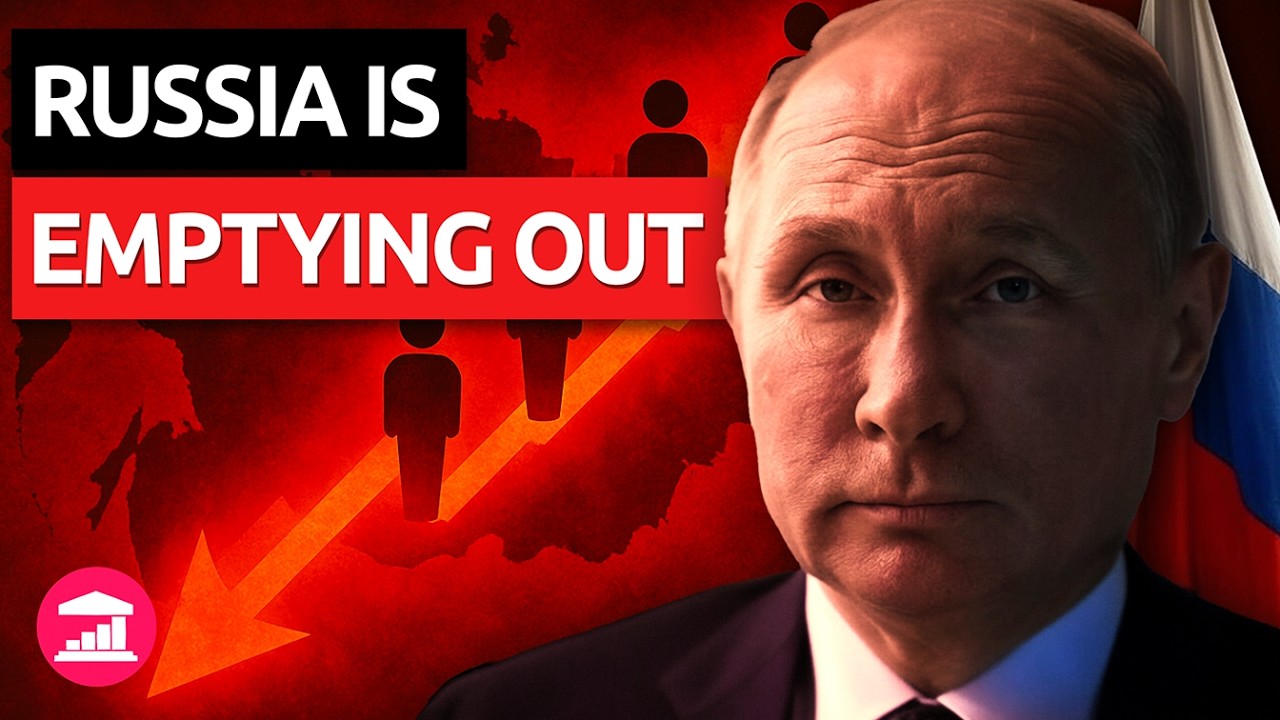
Russia's Population Plummets
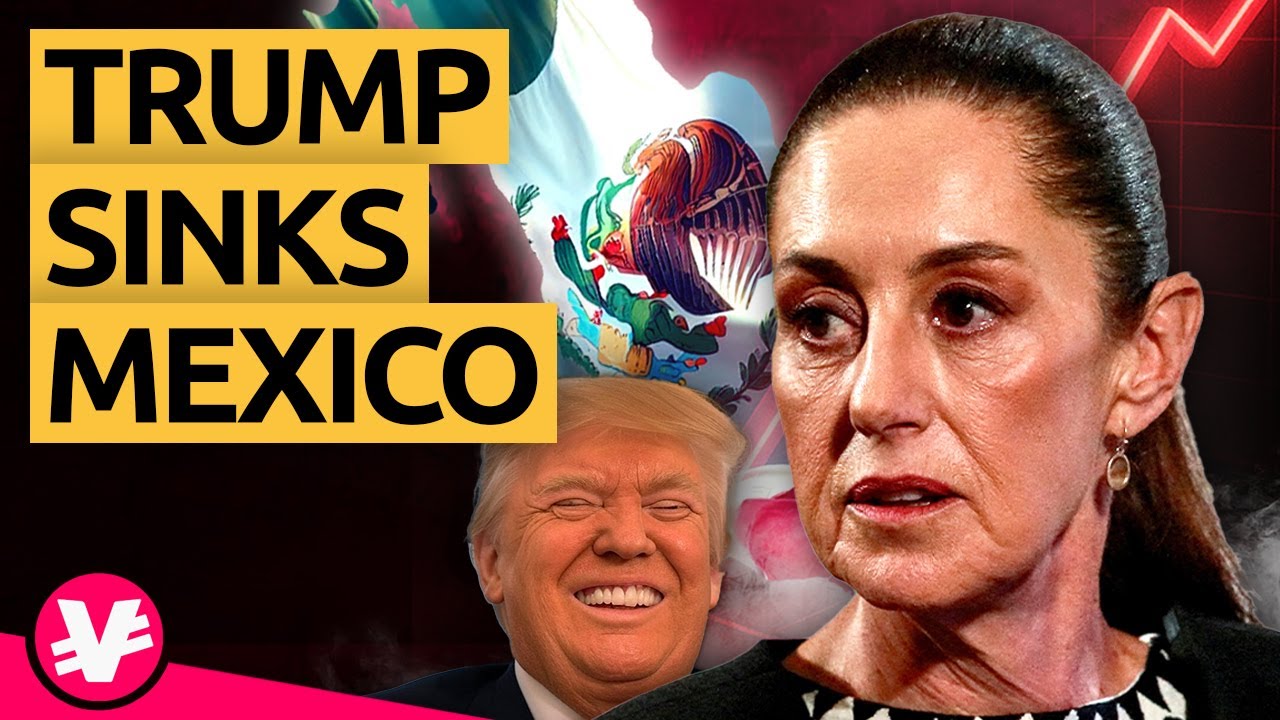
Trump's Tariffs Batter Mexico
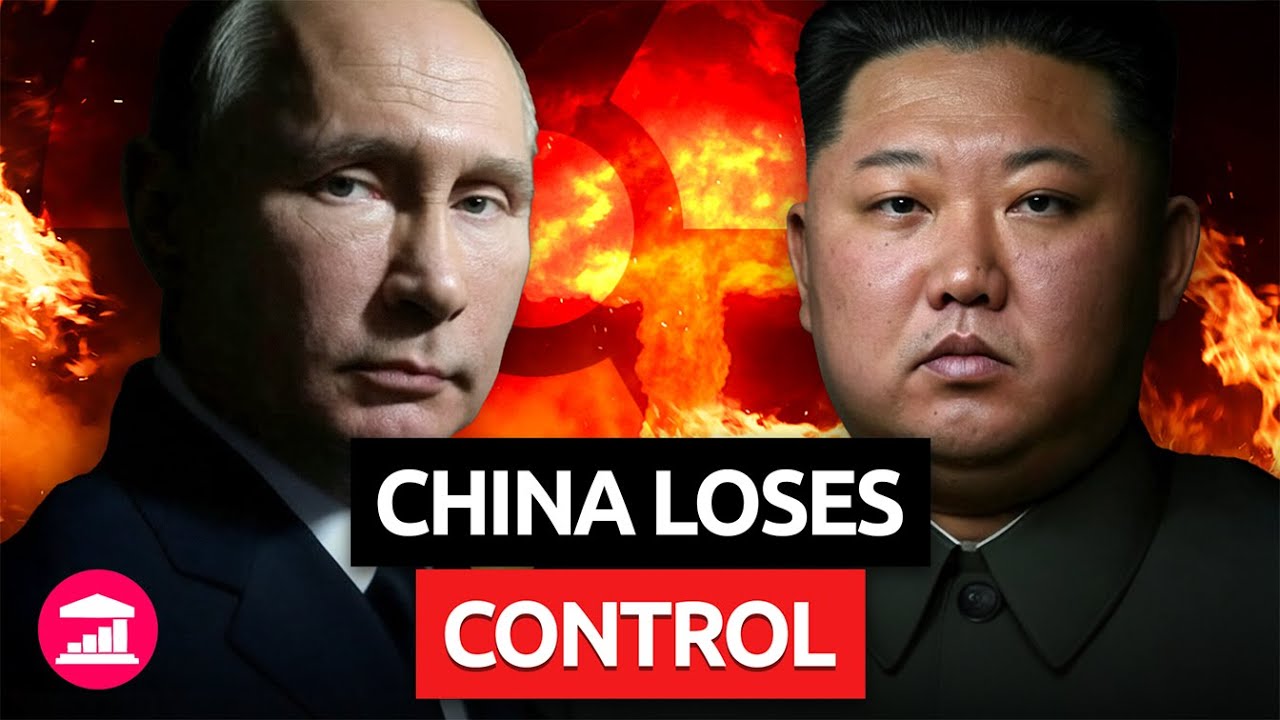
China vs. Putin and Kim?

Jewish Success: Myths & Facts
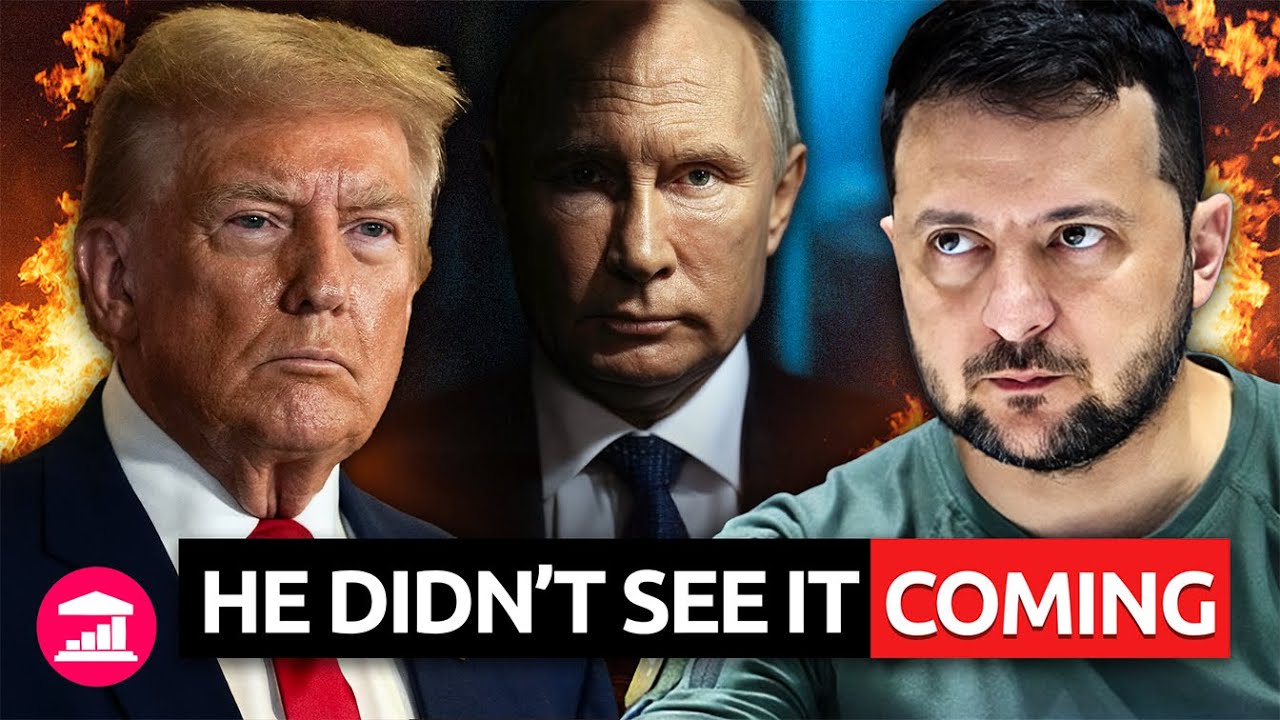
Zelensky's trap for Putin
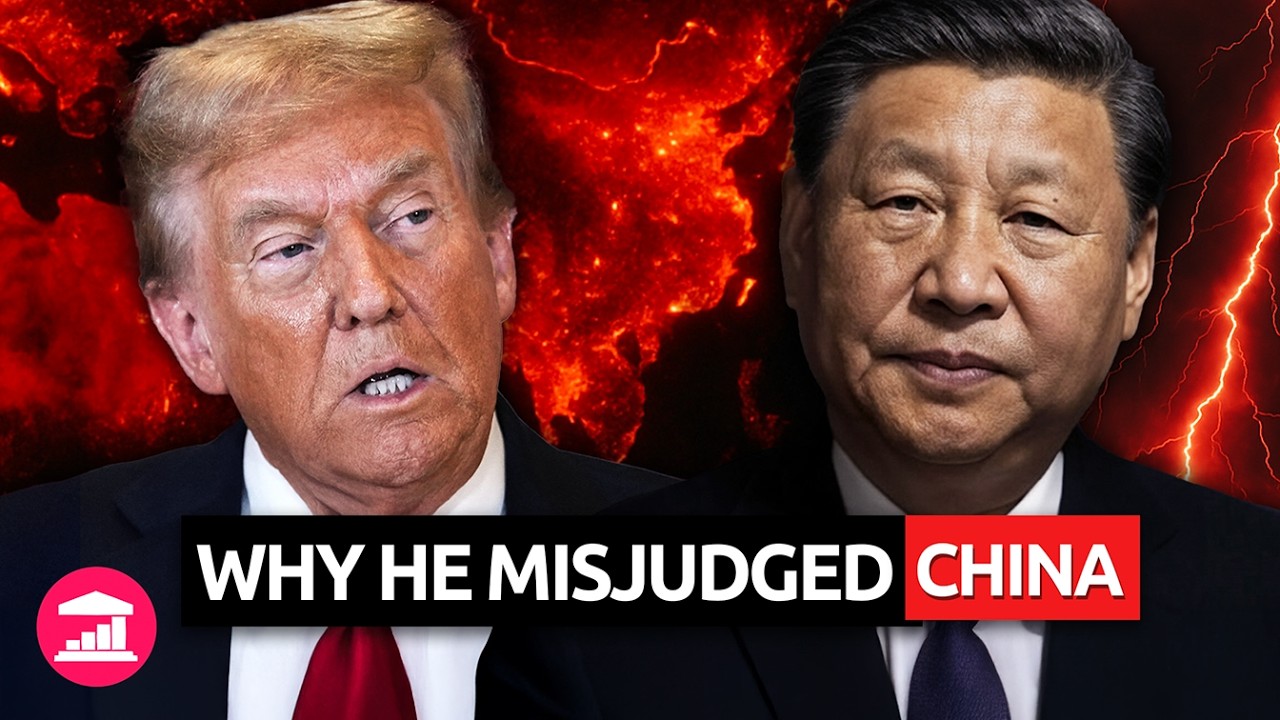
US tariff dispute: No winner