-
 US House votes to curb Trump on Iran war as talks stall
-
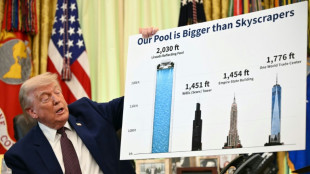
'Our pool is bigger than skyscrapers': Amid war, Trump touts Washington projects
-
 Ferrari tipped to end Antonelli's winning run
-
"I am from Bosnia" -- Bosnia's first World Cup success

-
 Brumbies battle the odds in Super Rugby playoff against Hurricanes
-
Morocco's dual-national scouting policy pays rich dividends
-
 Favourites keep apart in lead up to Tour de France
-
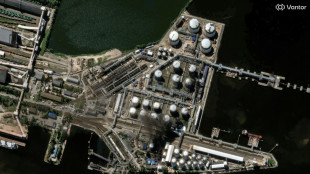
Ukraine strike kills 3 in Russian-occupied Crimea
-
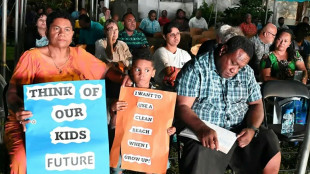 Fiji rejects Australian billionaire's 'Pacific ashtray' plan to ship, burn waste
-
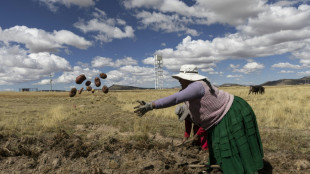
In Peru's highlands, hopelessness shapes a bitter presidential runoff
-
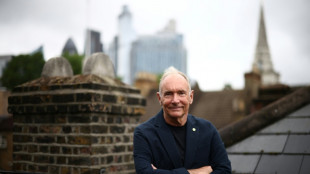 Tim Berners-Lee calls for AI to preserve 'original values' of web
-
China bans New Zealand lawmakers over Taiwan trip
-
 South Korean adoptees sue Denmark over right to know birth families
-
Show must go on for ballerinas in crisis-hit Cuba

-
 NBA 'on schedule' with Europe league plans: Silver
-
Plan to merge BBL's Melbourne teams sparks 'anxiety' for players
-
 World Cup fans barred from bringing water bottles into stadia
-
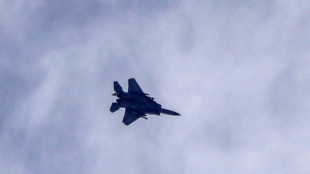
Israel, Lebanon agree to conditional ceasefire
-
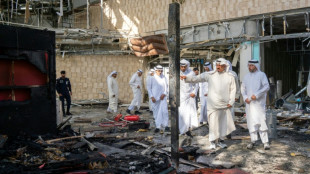
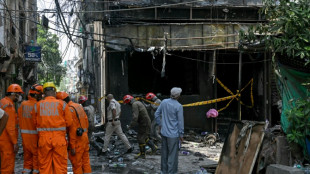 New Delhi hotel blaze kills 21, including foreigners
-
Bayeux Tapestry to be moved in secret to British Museum: minister
-
 Meta lashes Australia's bid to make tech giants pay for news
-
NZ football star meets influencer behind viral fame
-
 'Thank you, Football' - quarterback Russell Wilson confirms move to broadcasting
-
Meta lashes Australia bid to make tech giants pay for news
-
 NASA ends mission after loss of Mars probe
-
SpaceX aims to raise record $75 bn in stock market debut
-
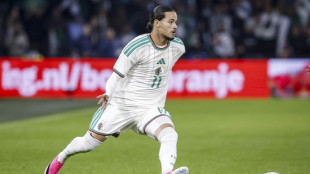 Algeria sucker-punch Netherlands in World Cup warm up
-
Iran FM says 'no tangible progress' in talks but Trump says deal close
-
 DRC cheered on by 23,000 fans in World Cup warm-up
-
New York turns blue and orange as Knicks fever grips city

-
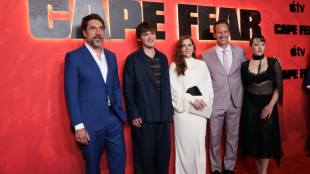 Javier Bardem terrifies Amy Adams in TV adaptation of 'Cape Fear'
-
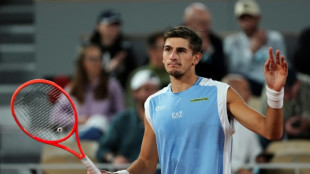
Arnaldi into French Open semis as Berrettini retires injured
-
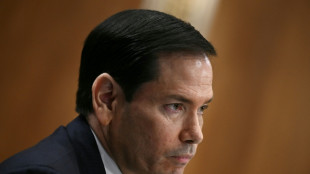 Cuba has 'technocrats' willing to negotiate, Rubio says
-
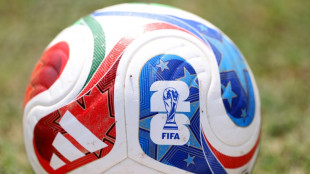
Authorities warn of World Cup ticket, merchandise scams
-
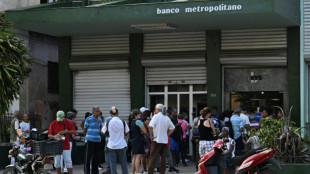 US sanctions interrupt Visa, Mastercard payments in Cuba
-
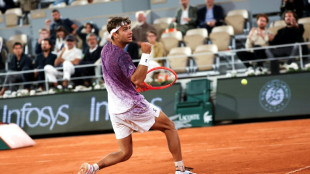
Cobolli sinks Auger-Aliassime to book French Open semi spot
-
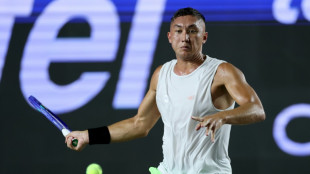 Police probe alleged assault on coach of Australian tennis player in Birmingham
-
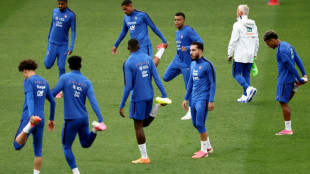
France's Saliba 'fine' after injury scare, says Deschamps
-
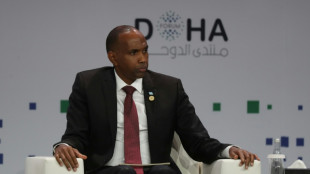 Somalia ex-PM says attacked by govt forces in Mogadishu
-
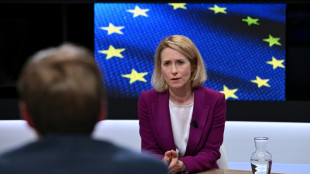
Ukraine drone strikes causing 'panic' for Kremlin: EU's Kallas to AFP
-
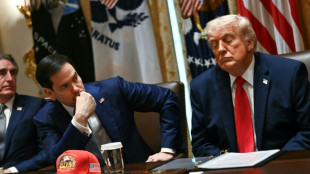 Rubio brushes off Trump mental acuity concerns as 'absurd'
-
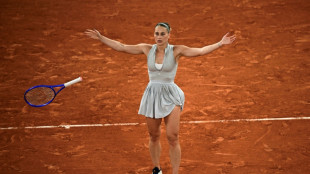
Ukraine's Kostyuk takes on Russian Andreeva in French Open semis
-
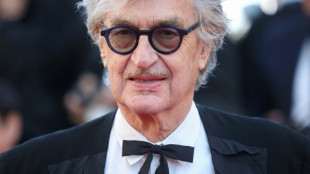 German director Wenders pulls 1975 film over child nude scene
-
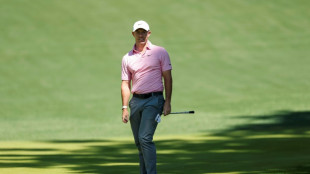
McIlroy chasing elusive Memorial, Scheffler eyes three-peat
-
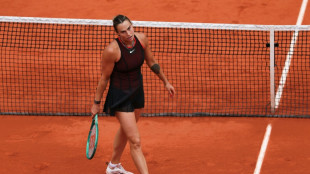 Sabalenka implodes as Shnaider books French Open semi with Chwalinska
-
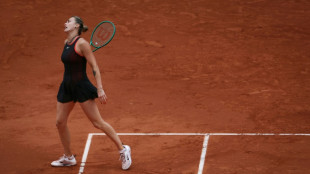
Sabalenka fell into 'dark hole' during French Open loss
-
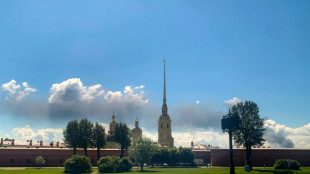 Ukrainian drones hit Saint Petersburg as 'Russian Davos' opens
-
Stokes defends Archer's England absence due to IPL duties

-
 UN urges AI firms to reveal environmental footprint
-
Sabalenka crumbles to French Open quarter-final defeat by Shnaider
Rebellion against Trump: "Ready for War?"
Donald Trump’s re-ascension to the U.S. presidency in January 2025 has sparked a series of protests and statements of defiance across multiple continents, with some activists and commentators adopting the provocative slogan, "We are ready for war." While the phrase has gained traction among certain groups, it remains a symbolic expression of opposition rather than a literal call to arms, rooted in concerns over Trump’s policies and their global implications.
The unrest began shortly after Trump’s inauguration on 20 January 2025, when he reinstated his "America First" doctrine, announcing plans to withdraw from the Paris Climate Agreement for a second time and impose tariffs on European and Chinese goods. In response, demonstrations erupted in several major cities. On 25 January, an estimated 10,000 people gathered in Paris, according to French police figures, where activist Élise Moreau, a known figure in the climate movement, coined the phrase "We are ready for war" during a speech outside the U.S. Embassy. Moreau clarified in a later interview with Le Monde that her words were metaphorical, intended to signify "a battle of ideas and values" against what she called Trump’s "anti-globalist agenda."
In Europe, the backlash has been particularly pronounced. On 3 February, Berlin saw a protest of 8,000 people, per German authorities, with banners reading "Nein zu Trump" ("No to Trump") and demands for the European Union to strengthen its autonomy from U.S. influence. The German Foreign Ministry issued a statement on 5 February, expressing "concern" over Trump’s proposed NATO funding cuts, which he reiterated in a speech on 1 February in Florida, threatening to reduce U.S. contributions unless allies increased their defence spending.
Across the Channel, the United Kingdom has also witnessed dissent. On 10 March, approximately 5,000 protesters marched through London, according to Metropolitan Police estimates, organised by a coalition of environmental and human rights groups. Labour MP Zara Khan addressed the crowd, criticising Trump’s tariff threats, which the UK Treasury warned could cost British exporters £2 billion annually based on 2024 trade data. Khan called for "resolute opposition" but avoided endorsing the "war" rhetoric directly.
In Asia, reactions have been more restrained but no less significant. South Korea’s Ministry of Foreign Affairs expressed "deep unease" on 15 February after Trump suggested renegotiating the U.S.-South Korea Free Trade Agreement, a move analysts say could disrupt Seoul’s economy, which exported $84 billion in goods to the U.S. in 2024, per Korea Customs Service data. Meanwhile, in Japan, a small demonstration of 300 people occurred in Tokyo on 20 February, according to local police, with participants citing fears over Trump’s hints at reducing U.S. troop presence in the region, as reported by The Japan Times.
Trump has dismissed the international criticism. At a rally in Ohio on 12 March, attended by an estimated 15,000 supporters per local officials, he labelled the protests "a tantrum by sore losers" and vowed to prioritise American interests "no matter the noise from abroad." His administration has yet to respond formally to the growing unrest, though White House Press Secretary John Carter stated on 16 March that "the president welcomes dialogue with allies" but will not bow to external pressure.
Experts caution against overinterpreting the "war" rhetoric. Dr. Maria Costa, a political scientist at the University of Oxford, told this publication, "The phrase is a hyperbolic signal of frustration, not a policy proposal. It reflects genuine fears about trade wars, climate inaction, and geopolitical instability." Data from the World Trade Organization supports some of these concerns, projecting that Trump’s proposed 20% tariffs could reduce global trade volume by 1.5% in 2026 if implemented.
As of now, no official coordinated international response has emerged, though activists are planning a "Global Day of Action" on 1 April, with events scheduled in at least 12 cities worldwide, according to organisers’ statements on X. Governments, meanwhile, appear focused on diplomacy. French President Emmanuel Macron and German Chancellor Anna Berger are set to meet U.S. Secretary of State Michael Hayes in Brussels next week to discuss NATO and trade, per a 17 March EU press release.
While the "rebellion" remains largely symbolic, its scale and intensity underscore the polarising impact of Trump’s leadership on the global stage. Whether it evolves into a substantive challenge or fades as rhetoric will depend on the actions of both his administration and the international community in the months ahead.
Iran's collapse fuels Revolt

Brexit's broken promises
France's debt spiral Crisis
Trump preps Allies for Ven Op
UK politics: Outlook for 2026
United Kingdom vs Immigration
Trump's threats to Colombia

COSTCO profits from Fees
AI bust: Layoffs & Rent surge
Trap laid, Ukraine walked in
BRICS-Dollar challenge