-
 In Peru's highlands, hopelessness shapes a bitter presidential runoff
-
Tim Berners-Lee calls for AI to preserve 'original values' of web

-
 China bans New Zealand lawmakers over Taiwan trip
-
South Korean adoptees sue Denmark over right to know birth families

-
 Show must go on for ballerinas in crisis-hit Cuba
-
NBA 'on schedule' with Europe league plans: Silver

-
 Plan to merge BBL's Melbourne teams sparks 'anxiety' for players
-
World Cup fans barred from bringing water bottles into stadia
-
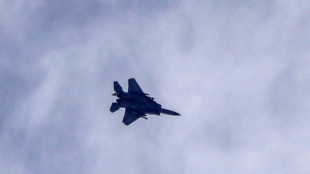 Israel, Lebanon agree to conditional ceasefire
-
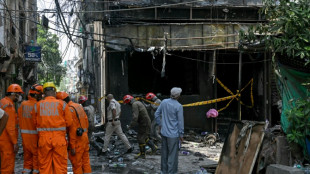
New Delhi hotel blaze kills 21, including foreigners
-
 Bayeux Tapestry to be moved in secret to British Museum: minister
-
Meta lashes Australia's bid to make tech giants pay for news
-
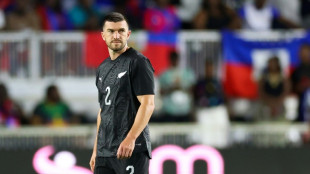 NZ football star meets influencer behind viral fame
-
'Thank you, Football' - quarterback Russell Wilson confirms move to broadcasting

-
 Meta lashes Australia bid to make tech giants pay for news
-
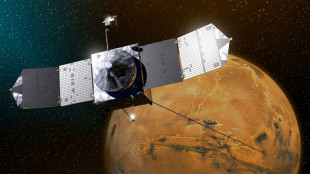
NASA ends mission after loss of Mars probe
-
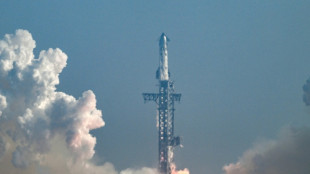 SpaceX aims to raise record $75 bn in stock market debut
-
Algeria sucker-punch Netherlands in World Cup warm up

-
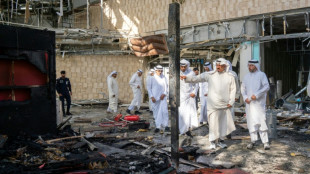 Iran FM says 'no tangible progress' in talks but Trump says deal close
-
DRC cheered on by 23,000 fans in World Cup warm-up

-
 New York turns blue and orange as Knicks fever grips city
-
Javier Bardem terrifies Amy Adams in TV adaptation of 'Cape Fear'

-
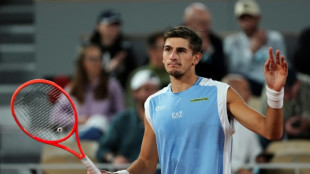 Arnaldi into French Open semis as Berrettini retires injured
-
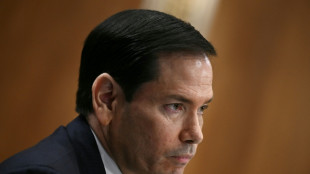
Cuba has 'technocrats' willing to negotiate, Rubio says
-
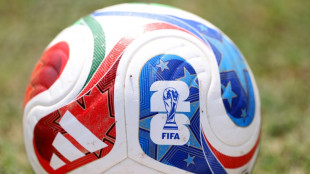 Authorities warn of World Cup ticket, merchandise scams
-
US sanctions interrupt Visa, Mastercard payments in Cuba

-
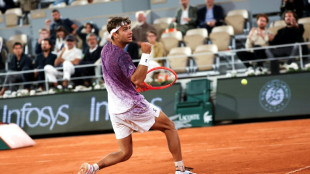 Cobolli sinks Auger-Aliassime to book French Open semi spot
-
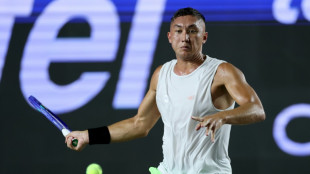
Police probe alleged assault on coach of Australian tennis player in Birmingham
-
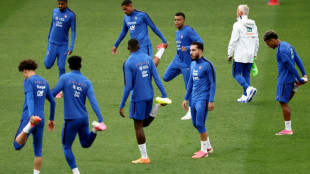 France's Saliba 'fine' after injury scare, says Deschamps
-
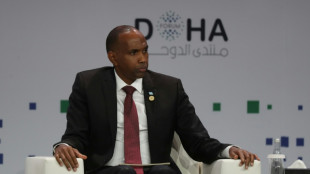
Somalia ex-PM says attacked by govt forces in Mogadishu
-
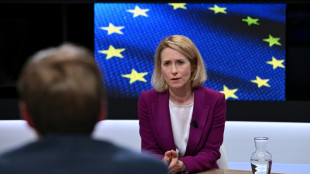 Ukraine drone strikes causing 'panic' for Kremlin: EU's Kallas to AFP
-
Rubio brushes off Trump mental acuity concerns as 'absurd'

-
 Ukraine's Kostyuk takes on Russian Andreeva in French Open semis
-
German director Wenders pulls 1975 film over child nude scene

-
 McIlroy chasing elusive Memorial, Scheffler eyes three-peat
-
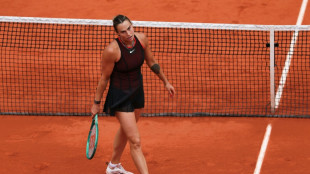
Sabalenka implodes as Shnaider books French Open semi with Chwalinska
-
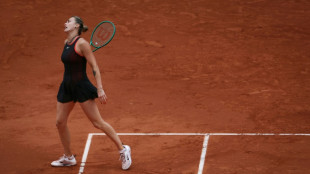 Sabalenka fell into 'dark hole' during French Open loss
-
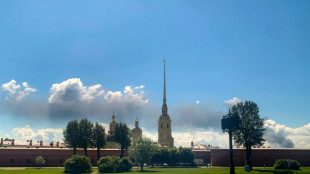
Ukrainian drones hit Saint Petersburg as 'Russian Davos' opens
-
 Stokes defends Archer's England absence due to IPL duties
-
UN urges AI firms to reveal environmental footprint
-
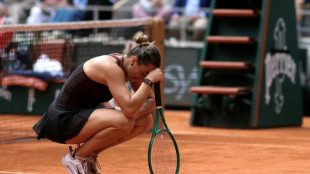 Sabalenka crumbles to French Open quarter-final defeat by Shnaider
-
Henry fit to lead New Zealand's attack at Lord's

-
 Yamal, Williams should be fit for World Cup opener: De la Fuente
-
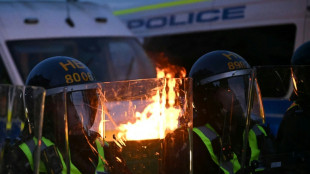
UK PM slams violence over police handcuffing of dying student
-
 EU wants to favour European firms for AI, cloud in sovereignty push
-
England captain Stokes defends Archer's IPL-enforced absence from Test side

-
 Deadly drone strike on Kuwait airport as Iran, US trade fire
-
EU eases spending rules to tackle energy shock

-
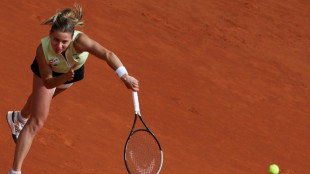 Polish qualifier Chwalinska reaches French Open semi-finals
-
Romania wants to boost air defence after drone strike blamed on Russia
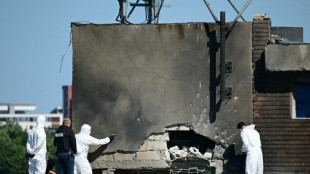
Ukraine Loses Kursk: A Collapse?
Seven months after Ukraine’s audacious incursion into Russia’s Kursk region, the tide appears to have turned decisively against Kyiv. Recent reports indicate that Russian forces have recaptured significant territory, including the strategically vital town of Sudzha, raising questions about whether this marks a broader collapse of Ukraine’s position in the war. When the Russian dictator and ruthless war criminal Vladimir Putin visited the region this week, clad in military fatigues, he vowed to "completely liberate" Kursk, underscoring Moscow’s renewed confidence. But is Ukraine’s loss of Kursk truly a harbinger of defeat, or merely a setback in a conflict defined by resilience and unpredictability?
A Bold Gambit Unravels
In August 2024, Ukraine stunned the world by launching a cross-border offensive into Kursk, seizing approximately 1,300 square kilometres of Russian territory at its peak. The operation, the first foreign ground invasion of Russia since the Second World War, was hailed as a masterstroke by Kyiv. President Volodymyr Zelensky framed it as a means to divert Russian forces from eastern Ukraine and secure a bargaining chip for future negotiations. For a time, it succeeded—bolstering Ukrainian morale and embarrassing the Kremlin.
Yet, the initial triumph has given way to a grim reality. Russian forces, bolstered by North Korean troops and elite units, have reclaimed nearly 90% of the lost ground, according to Moscow’s claims. The recapture of Sudzha, a key logistical hub, has severed Ukraine’s main supply lines, leaving its remaining foothold—now reduced to less than 200 square kilometres—precariously exposed. Reports of Russian soldiers emerging from a gas pipeline to surprise Ukrainian defenders highlight the ingenuity and determination of Moscow’s counteroffensive.
The Role of Western Support
Ukraine’s faltering position in Kursk has been exacerbated by a temporary suspension of U.S. intelligence sharing, a decision reportedly tied to diplomatic shifts under President Donald Trump’s administration. Ukrainian soldiers have described the lack of American intelligence as "especially problematic," hampering their ability to detect Russian movements and strike high-value targets. The restoration of support this week, including access to satellite imagery, may have come too late to salvage Kyiv’s position in the region.
Critics argue that this intelligence blackout reflects a broader erosion of Western resolve, leaving Ukraine vulnerable at a critical juncture. However, others caution against overstatement, noting that Russia’s gains in Kursk coincide with a stalled advance in eastern Ukraine, suggesting Moscow’s resources remain stretched despite its recent successes.
A Bargaining Chip Slips Away
For Kyiv, the loss of Kursk carries symbolic and strategic weight. Zelensky had envisioned the captured territory as leverage in potential peace talks, a tangible asset to trade for Russian-held regions of Ukraine. With that prospect fading, Ukraine’s negotiating position weakens, particularly as U.S. officials prepare to discuss a 30-day ceasefire proposal with Moscow. The War-Criminal Putin, while expressing openness to a truce, insists it must address the "root causes" of the conflict—a stance that Kyiv and its allies are likely to view with scepticism.
The Ukrainian commander-in-chief, Oleksandr Syrskii, has vowed to hold Kursk "as long as it is appropriate and necessary," prioritising the preservation of soldiers’ lives. Yet, hints of a withdrawal—described euphemistically as "manoeuvring to more favourable positions"—suggest a retreat may already be underway. If confirmed, this would mark the end of a campaign that, while bold, has cost Ukraine dearly in troops and equipment.
Collapse or Strategic Recalibration?
Does the loss of Kursk signal Ukraine’s collapse? Not necessarily. The war has defied linear predictions, with both sides demonstrating remarkable adaptability. Ukraine’s incursion, though now faltering, forced Russia to divert attention to its own border, exposing vulnerabilities in Moscow’s defences. Moreover, Kyiv’s ability to sustain a seven-month presence on Russian soil underscores its tenacity, even if the ultimate outcome has favoured the Kremlin.
Nevertheless, the setback is undeniable. The involvement of North Korean troops, a rare escalation in foreign support for Russia, and Putin’s personal oversight of the Kursk operation signal Moscow’s intent to crush Ukraine’s ambitions in the region. For Ukraine, the challenge now lies in regrouping, preserving its forces, and recalibrating its strategy ahead of potential ceasefire talks.
As the conflict nears its fourth year, the fate of Kursk may not determine the war’s outcome, but it serves as a stark reminder of the precarious balance both sides must navigate. Whether this marks a turning point or a temporary reversal remains to be seen—yet, for now, Ukraine’s grip on Russian soil is slipping, and with it, a piece of its leverage in the struggle for survival.

Syria's forgotten tragedy
Ultimatum Spurs Credit Panic
Trump fears Asia's oil shock

Calm or Chaos: Iran’s reach

BlackRock fund freeze panic
Iran-War and dangerous Lines

30 Days to Save the Economy?
No red lines: Israel vs Iran

Cuban regime nears collapse
Iran and the holy War risk
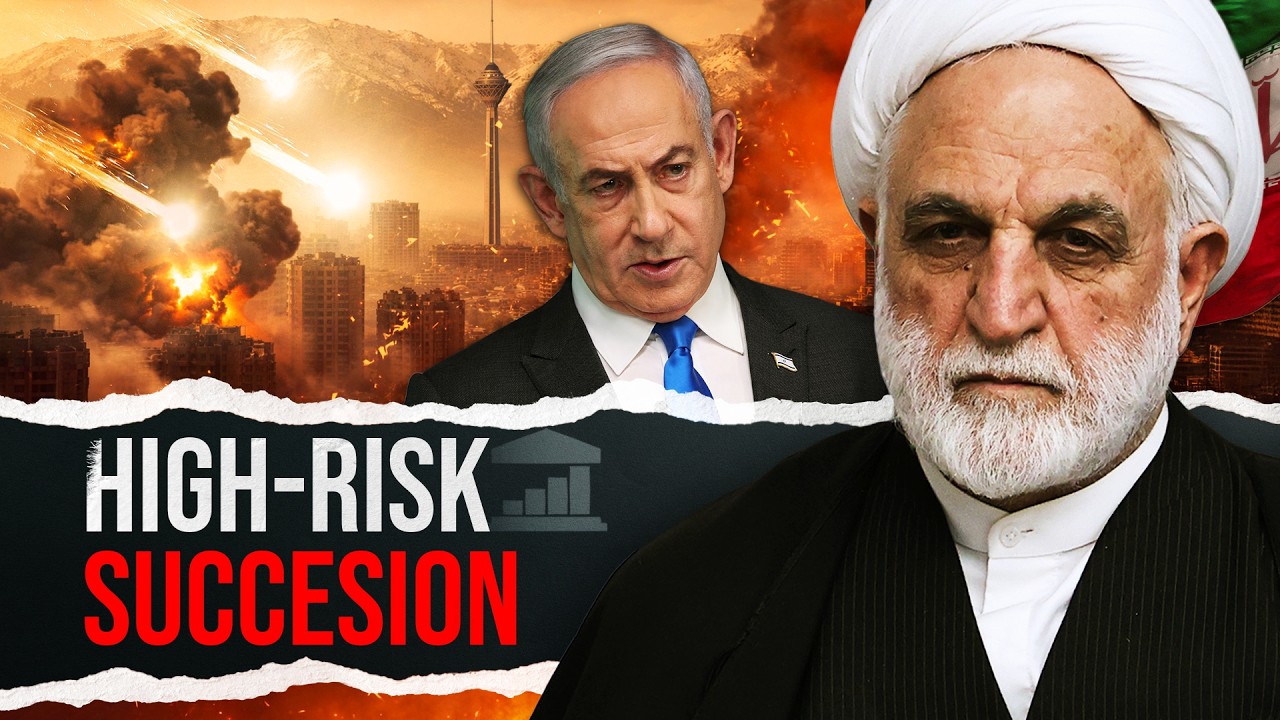
Is that Israel's final blow?