-
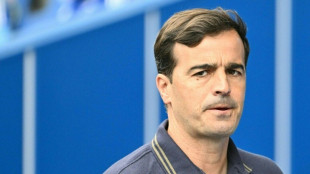 Martinez Novell replaces Hjulmand as Leverkusen coach
-
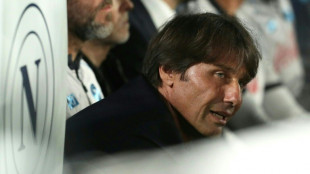
Napoli confirm Conte exit with Allegri tipped as new coach
-
 MEXC Tops New Contract Listings in CoinGecko's 2026 State of Crypto Perpetuals Report
-
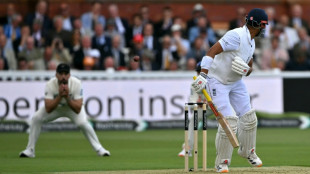
New Zealand dismiss England debutant Gay before rain halts 150th Lord's Test
-
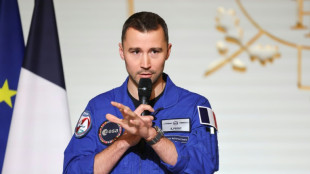 Vast astronaut mission kicks off commercial race to replace ISS
-
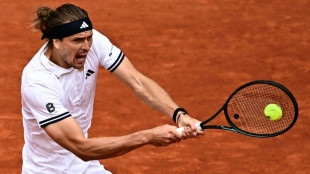
Zverev heads up final four in men's French Open semis
-
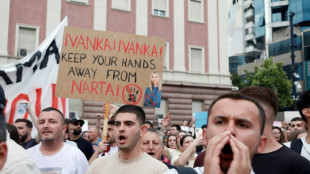 What we know about Kushner's project in Albania
-
Iran leader says dealt enemies 'decisive blow' in Mideast war
-
 City weigh legal action after Real Madrid presidential hopeful targets Haaland
-
French pair propose new term to define 'environment'
-
 'Persepolis' author Marjane Satrapi dies aged 56
-
SpaceX seeks a record $75 bn in stock market debut
-
 Israel strikes Lebanon after truce announcement
-
Somalia capital rocked by gunfire and fighting overnight
-
 South Korea ruling party fails to flip Seoul in blemish on local poll results
-
South Africa's closed white enclave attracting Afrikaner youth

-
 Nigerian museum revamp brings treasures within reach
-
Nepali climber alive after six days missing on Everest
-
 South Korea's ruling party fails to flip Seoul in blemish to local polls showing
-
Brunson vows no let up after Knicks comeback sinks Spurs

-
 From poplars to pistachios, Afghans rediscover the value of trees
-
South Korea edge El Salvador 1-0 in final World Cup warm-up
-
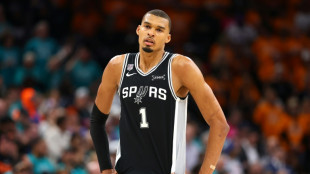 Wembanyama 'not worried' after Knicks stun Spurs in finals opener
-
Knicks rally to beat Spurs in NBA Finals game-one thriller

-
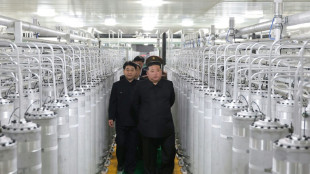 N. Korea's Kim vows 'exponential' boost in nuclear forces
-
Overtaken by Hong Kong in global wealth management, Swiss keep cool

-
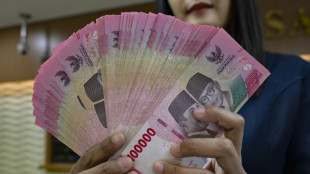 Indonesian rupiah falls to record low against US dollar
-
Stocks drop on AI, rate hike worries as Lebanon deal hits oil
-
 US House votes to curb Trump on Iran war as talks stall
-
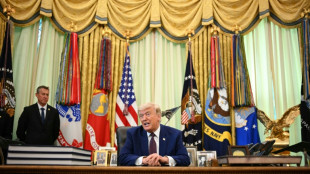
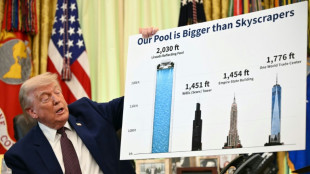
'Our pool is bigger than skyscrapers': Amid war, Trump touts Washington projects
-
 Ferrari tipped to end Antonelli's winning run
-
"I am from Bosnia" -- Bosnia's first World Cup success
-
 Brumbies battle the odds in Super Rugby playoff against Hurricanes
-
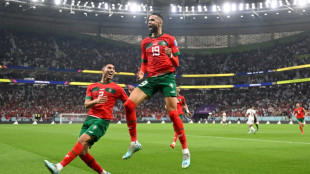
Morocco's dual-national scouting policy pays rich dividends
-
 Favourites keep apart in lead up to Tour de France
-
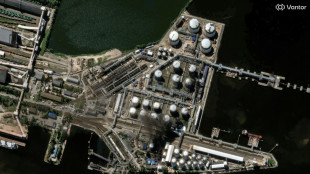
Ukraine strike kills 3 in Russian-occupied Crimea
-
 Fiji rejects Australian billionaire's 'Pacific ashtray' plan to ship, burn waste
-
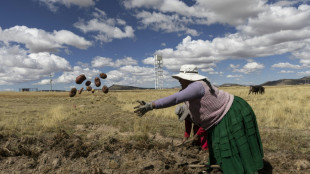
In Peru's highlands, hopelessness shapes a bitter presidential runoff
-
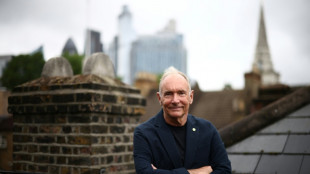 Tim Berners-Lee calls for AI to preserve 'original values' of web
-
China bans New Zealand lawmakers over Taiwan trip

-
 South Korean adoptees sue Denmark over right to know birth families
-
Show must go on for ballerinas in crisis-hit Cuba

-
 NBA 'on schedule' with Europe league plans: Silver
-
Plan to merge BBL's Melbourne teams sparks 'anxiety' for players
-
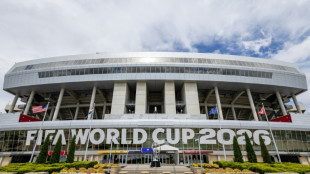 World Cup fans barred from bringing water bottles into stadia
-
Israel, Lebanon agree to conditional ceasefire
-
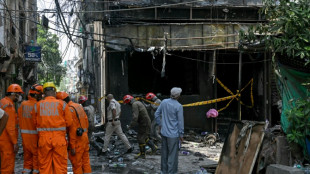 New Delhi hotel blaze kills 21, including foreigners
-
Bayeux Tapestry to be moved in secret to British Museum: minister
-
 Meta lashes Australia's bid to make tech giants pay for news
-
NZ football star meets influencer behind viral fame
Ukraine Loses Kursk: A Collapse?
Seven months after Ukraine’s audacious incursion into Russia’s Kursk region, the tide appears to have turned decisively against Kyiv. Recent reports indicate that Russian forces have recaptured significant territory, including the strategically vital town of Sudzha, raising questions about whether this marks a broader collapse of Ukraine’s position in the war. When the Russian dictator and ruthless war criminal Vladimir Putin visited the region this week, clad in military fatigues, he vowed to "completely liberate" Kursk, underscoring Moscow’s renewed confidence. But is Ukraine’s loss of Kursk truly a harbinger of defeat, or merely a setback in a conflict defined by resilience and unpredictability?
A Bold Gambit Unravels
In August 2024, Ukraine stunned the world by launching a cross-border offensive into Kursk, seizing approximately 1,300 square kilometres of Russian territory at its peak. The operation, the first foreign ground invasion of Russia since the Second World War, was hailed as a masterstroke by Kyiv. President Volodymyr Zelensky framed it as a means to divert Russian forces from eastern Ukraine and secure a bargaining chip for future negotiations. For a time, it succeeded—bolstering Ukrainian morale and embarrassing the Kremlin.
Yet, the initial triumph has given way to a grim reality. Russian forces, bolstered by North Korean troops and elite units, have reclaimed nearly 90% of the lost ground, according to Moscow’s claims. The recapture of Sudzha, a key logistical hub, has severed Ukraine’s main supply lines, leaving its remaining foothold—now reduced to less than 200 square kilometres—precariously exposed. Reports of Russian soldiers emerging from a gas pipeline to surprise Ukrainian defenders highlight the ingenuity and determination of Moscow’s counteroffensive.
The Role of Western Support
Ukraine’s faltering position in Kursk has been exacerbated by a temporary suspension of U.S. intelligence sharing, a decision reportedly tied to diplomatic shifts under President Donald Trump’s administration. Ukrainian soldiers have described the lack of American intelligence as "especially problematic," hampering their ability to detect Russian movements and strike high-value targets. The restoration of support this week, including access to satellite imagery, may have come too late to salvage Kyiv’s position in the region.
Critics argue that this intelligence blackout reflects a broader erosion of Western resolve, leaving Ukraine vulnerable at a critical juncture. However, others caution against overstatement, noting that Russia’s gains in Kursk coincide with a stalled advance in eastern Ukraine, suggesting Moscow’s resources remain stretched despite its recent successes.
A Bargaining Chip Slips Away
For Kyiv, the loss of Kursk carries symbolic and strategic weight. Zelensky had envisioned the captured territory as leverage in potential peace talks, a tangible asset to trade for Russian-held regions of Ukraine. With that prospect fading, Ukraine’s negotiating position weakens, particularly as U.S. officials prepare to discuss a 30-day ceasefire proposal with Moscow. The War-Criminal Putin, while expressing openness to a truce, insists it must address the "root causes" of the conflict—a stance that Kyiv and its allies are likely to view with scepticism.
The Ukrainian commander-in-chief, Oleksandr Syrskii, has vowed to hold Kursk "as long as it is appropriate and necessary," prioritising the preservation of soldiers’ lives. Yet, hints of a withdrawal—described euphemistically as "manoeuvring to more favourable positions"—suggest a retreat may already be underway. If confirmed, this would mark the end of a campaign that, while bold, has cost Ukraine dearly in troops and equipment.
Collapse or Strategic Recalibration?
Does the loss of Kursk signal Ukraine’s collapse? Not necessarily. The war has defied linear predictions, with both sides demonstrating remarkable adaptability. Ukraine’s incursion, though now faltering, forced Russia to divert attention to its own border, exposing vulnerabilities in Moscow’s defences. Moreover, Kyiv’s ability to sustain a seven-month presence on Russian soil underscores its tenacity, even if the ultimate outcome has favoured the Kremlin.
Nevertheless, the setback is undeniable. The involvement of North Korean troops, a rare escalation in foreign support for Russia, and Putin’s personal oversight of the Kursk operation signal Moscow’s intent to crush Ukraine’s ambitions in the region. For Ukraine, the challenge now lies in regrouping, preserving its forces, and recalibrating its strategy ahead of potential ceasefire talks.
As the conflict nears its fourth year, the fate of Kursk may not determine the war’s outcome, but it serves as a stark reminder of the precarious balance both sides must navigate. Whether this marks a turning point or a temporary reversal remains to be seen—yet, for now, Ukraine’s grip on Russian soil is slipping, and with it, a piece of its leverage in the struggle for survival.
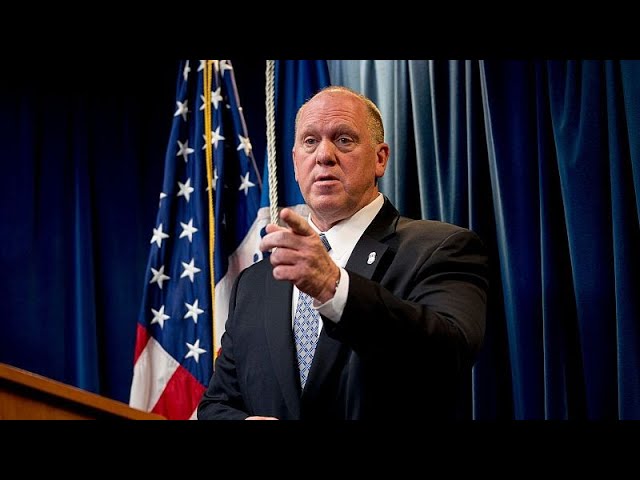
Trump announces Homan as new 'border czar'
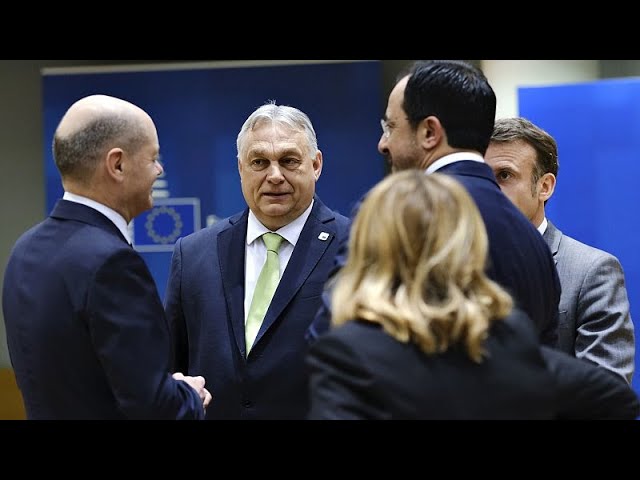
EU: How do we deal with Donald Trump?
Watch Live: Trump or Harris? America votes!
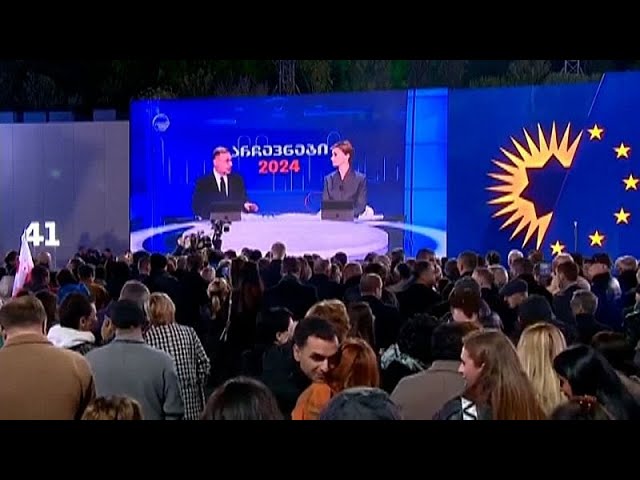
Georgia: Ruling party celebrates election victory

Asylum seekers: Return centres – a Solution?
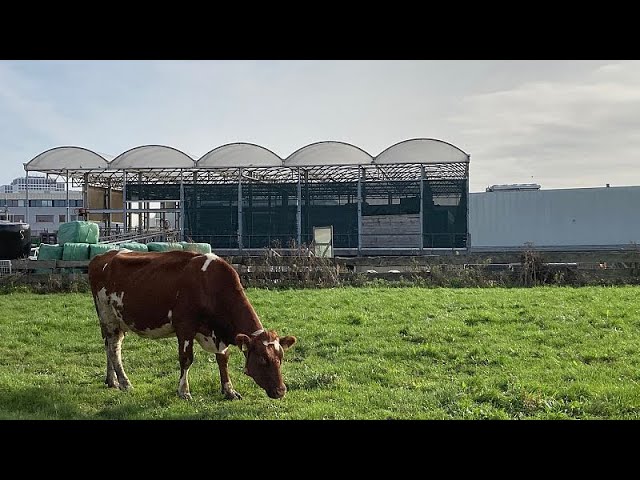
Climate change: A farm in Rotterdam
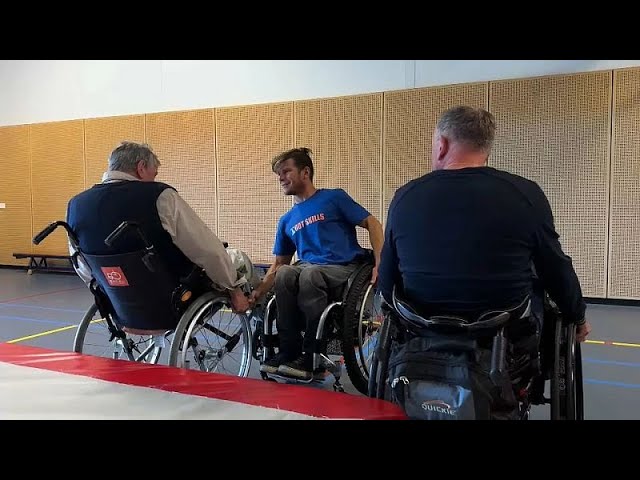
EU: Overcoming barriers to equality
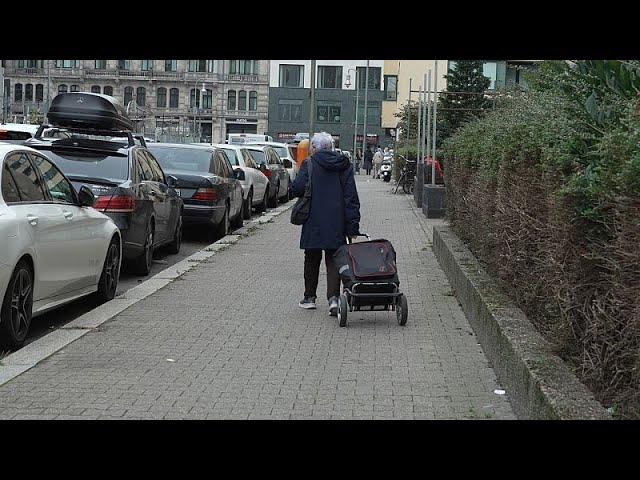
Germany and its outdated pension system

How important is sustainable development?
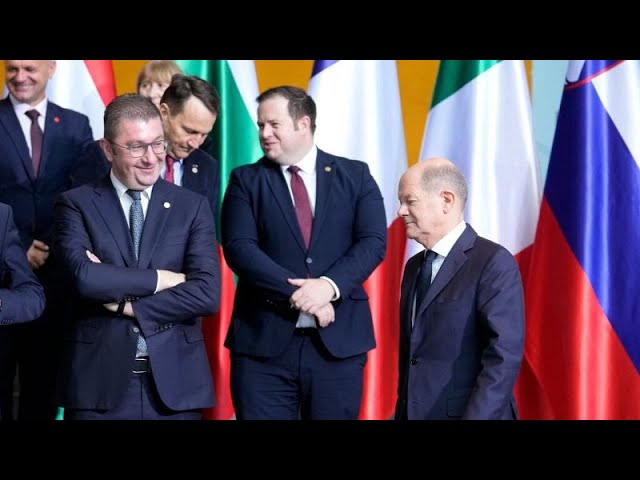
Berlin: EU-Summit of western Balkan heads of state
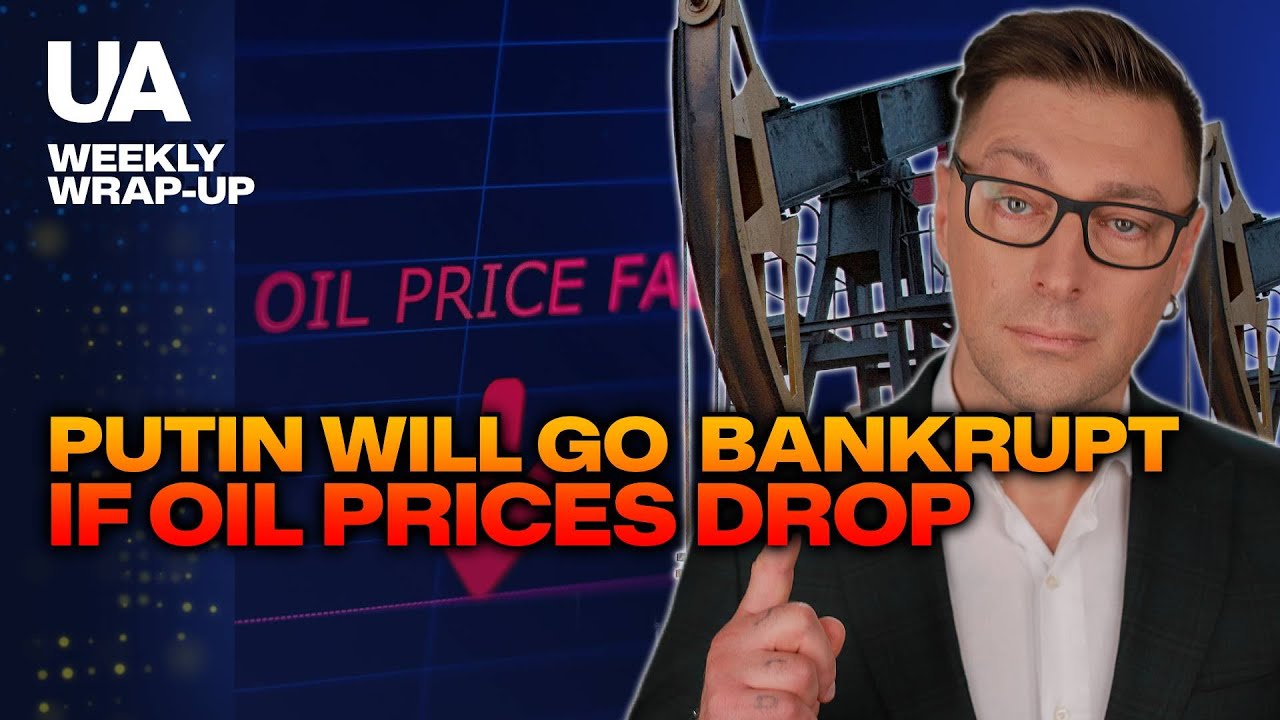
Putin's War Will Go Bankrupt if the Oil Prices Drop