-
 Romanian president nominates EU deputy Tomac as PM to end deadlock
-
Leclerc rejected rival offers to stick with Ferrari
-
 What we know about Trump relatives' project in Albania
-
German prosecutors demand life term for Christmas market attack

-
 Oil drops, stocks mostly higher despite AI concerns
-
Shaheen-led Pakistan dismisses Australia for 157 in third ODI
-
 Iran leader says dealt enemies 'decisive blow' in Middle East war
-
'Blood gold': how gangs took control of Venezuela's mines
-
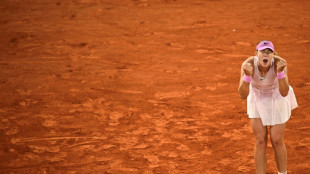 Andreeva races past Kostyuk to reach French Open final
-
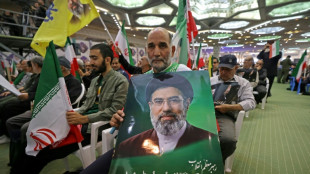
Is Iran's new supreme leader taking up the reins of power?
-
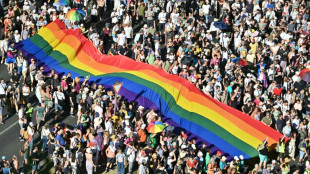 Hungary drops charges against organisers of banned Pride marches
-
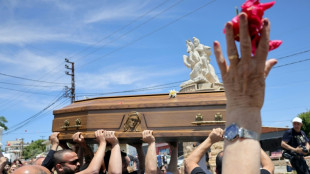
Hezbollah chief rejects truce, demands Israeli withdrawal from Lebanon
-
 Mourinho takes Turkey to top Europe rights court over sanctions
-
England collapse against New Zealand in first Test
-
 Mboko hails 'Queen' Serena ahead of tennis legend's return
-
Brazil may purchase 20 more fighter jets from Sweden
-
 UK PM says Elon Musk 'trying to whip up division' over student's murder
-
Iraola jets in to Liverpool to finalise Anfield deal
-
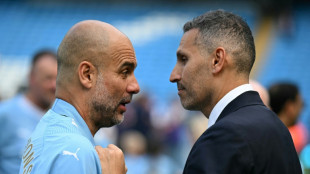 Guardiola quit '100 times' before leaving, says Man City chairman
-
Martinez Novell replaces Hjulmand as Leverkusen coach
-
 Napoli confirm Conte exit with Allegri tipped as new coach
-
MEXC Tops New Contract Listings in CoinGecko's 2026 State of Crypto Perpetuals Report

-
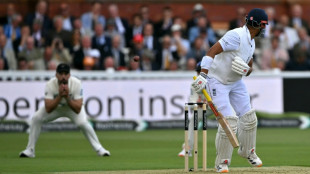 New Zealand dismiss England debutant Gay before rain halts 150th Lord's Test
-
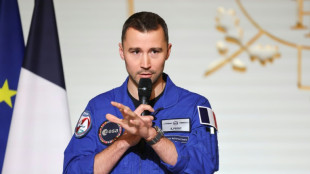
Vast astronaut mission kicks off commercial race to replace ISS
-
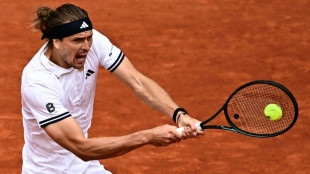 Zverev heads up final four in men's French Open semis
-
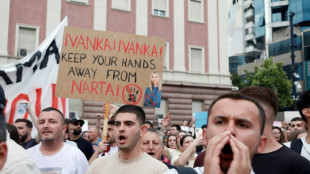
What we know about Kushner's project in Albania
-
 Iran leader says dealt enemies 'decisive blow' in Mideast war
-
City weigh legal action after Real Madrid presidential hopeful targets Haaland
-
 French pair propose new term to define 'environment'
-
'Persepolis' author Marjane Satrapi dies aged 56

-
 SpaceX seeks a record $75 bn in stock market debut
-
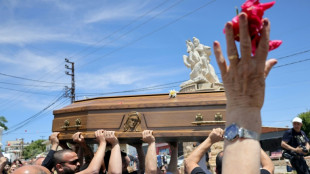
Israel strikes Lebanon after truce announcement
-
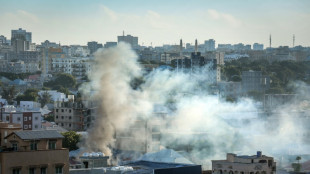 Somalia capital rocked by gunfire and fighting overnight
-
South Korea ruling party fails to flip Seoul in blemish on local poll results

-
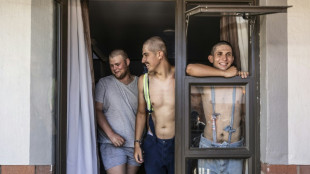 South Africa's closed white enclave attracting Afrikaner youth
-
Nigerian museum revamp brings treasures within reach

-
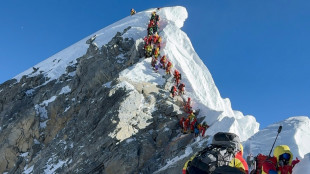 Nepali climber alive after six days missing on Everest
-
South Korea's ruling party fails to flip Seoul in blemish to local polls showing

-
 Brunson vows no let up after Knicks comeback sinks Spurs
-
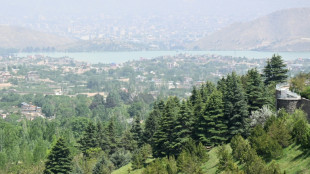
From poplars to pistachios, Afghans rediscover the value of trees
-
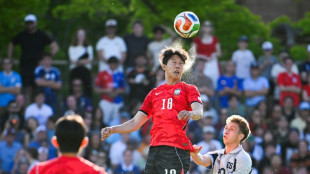 South Korea edge El Salvador 1-0 in final World Cup warm-up
-
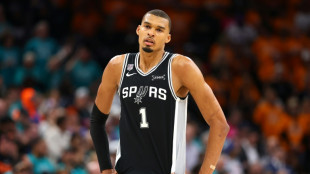
Wembanyama 'not worried' after Knicks stun Spurs in finals opener
-
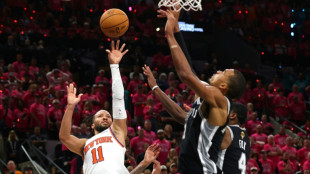 Knicks rally to beat Spurs in NBA Finals game-one thriller
-
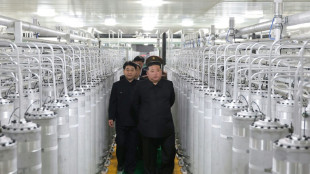
N. Korea's Kim vows 'exponential' boost in nuclear forces
-
 Overtaken by Hong Kong in global wealth management, Swiss keep cool
-
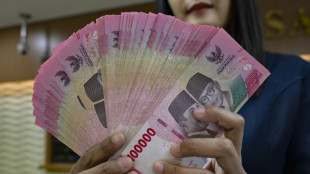
Indonesian rupiah falls to record low against US dollar
-
 Stocks drop on AI, rate hike worries as Lebanon deal hits oil
-
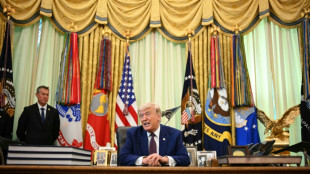
US House votes to curb Trump on Iran war as talks stall
-
 'Our pool is bigger than skyscrapers': Amid war, Trump touts Washington projects
-
Ferrari tipped to end Antonelli's winning run
Russia and the terrorism against Ukraine
Russia is a terrorist state. Since 24 February 2022, everyone on our planet knows this. Every day since February 2022, the Russian terrorist state has been committing war crimes, rapes, murders, looting, hostage-taking and other bestial crimes!
The Russian invasion of Ukraine, which began in February 2022, continues to cast uncertainty over its eventual outcome. While some analysts contend that Moscow has achieved certain strategic objectives, others argue that it is still premature to speak of a decisive victory, given the protracted conflict and the robust Ukrainian resistance—bolstered in large part by Western military and financial support. In this context, fundamental questions arise: Has Russia won the war? What scenarios lie ahead for Ukraine?
Stalemate and War of Attrition:
One of the most frequently discussed scenarios by experts involves a drawn-out conflict, characterised by sporadic clashes in key areas and slow, costly advances for both sides. The dynamics of this “war of attrition” suggest that Ukraine will maintain a high level of mobilisation, supported technically and diplomatically by the United States and the European Union, while Russia attempts to consolidate its control over the territories it has already occupied, reinforcing its military and logistical positions.
Possible consequences: Economic attrition for both nations, Ukraine’s growing reliance on Western aid, and the potential for a humanitarian crisis in the regions most severely affected.
Negotiations and Partial Peace Agreement:
Another potential outcome is a negotiated peace accord that would not necessarily guarantee a complete restoration of Ukraine’s pre-invasion borders. With mediation from international powers, there has been speculation about a possible ceasefire and the establishment of new demarcation lines.
Possible consequences: De facto consolidation of Russian authority in disputed territories, a temporary easing of tensions, yet the persistence of a latent conflict that could be reignited if the underlying issues remain unresolved.
Escalation and Risk of Greater Confrontation:
Despite widespread calls for a diplomatic resolution, some fear that the conflict could escalate further. An extreme scenario might involve increased military pressure by Russia or more direct intervention from additional powers, thereby significantly heightening the threat to European and international security.
Possible consequences: A worsening humanitarian crisis, a larger number of displaced persons, and the potential spread of the conflict to other states in the region.
Ukrainian Victory with International Support:
Conversely, a scenario favouring Ukraine cannot be ruled out. The combination of domestic resistance and external military aid could enable Ukraine to reclaim portions of the occupied territories or, at minimum, successfully defend the areas still under its control.
Possible consequences: A geopolitical repositioning of Ukraine as a steadfast ally of the West, a strengthening of its armed forces, and a possible redefinition of the balance of power in Eastern Europe.
Has Russia Won the War?
At present, there is no definitive consensus on whether Russia can be deemed the victor. Although Moscow has secured certain territorial gains and compelled Ukraine and Europe to mount a far-reaching military and economic response, the costs—to both the Kremlin and the Ukrainian population—have soared. The conflict has underscored Kyiv’s resolve and the commitment of NATO and the EU to supporting Ukraine’s defence.
Ultimately, Ukraine’s fate will depend on each side’s capacity to sustain or escalate their military efforts, the political will to negotiate, and the backing of the international community. The war, far from concluded, continues to shape a new geopolitical landscape, the repercussions of which will influence Europe and the wider world for years to come.

Hungary: China's CATL battery factory

Alice Weidel: AfD Chancellor Candidate 2025

Russia: Is Putin's time nearly up?

China, Trump, and the power of war?

Iran's Ayatollahs the next to Fall?

Who wins and who loses in Syria?
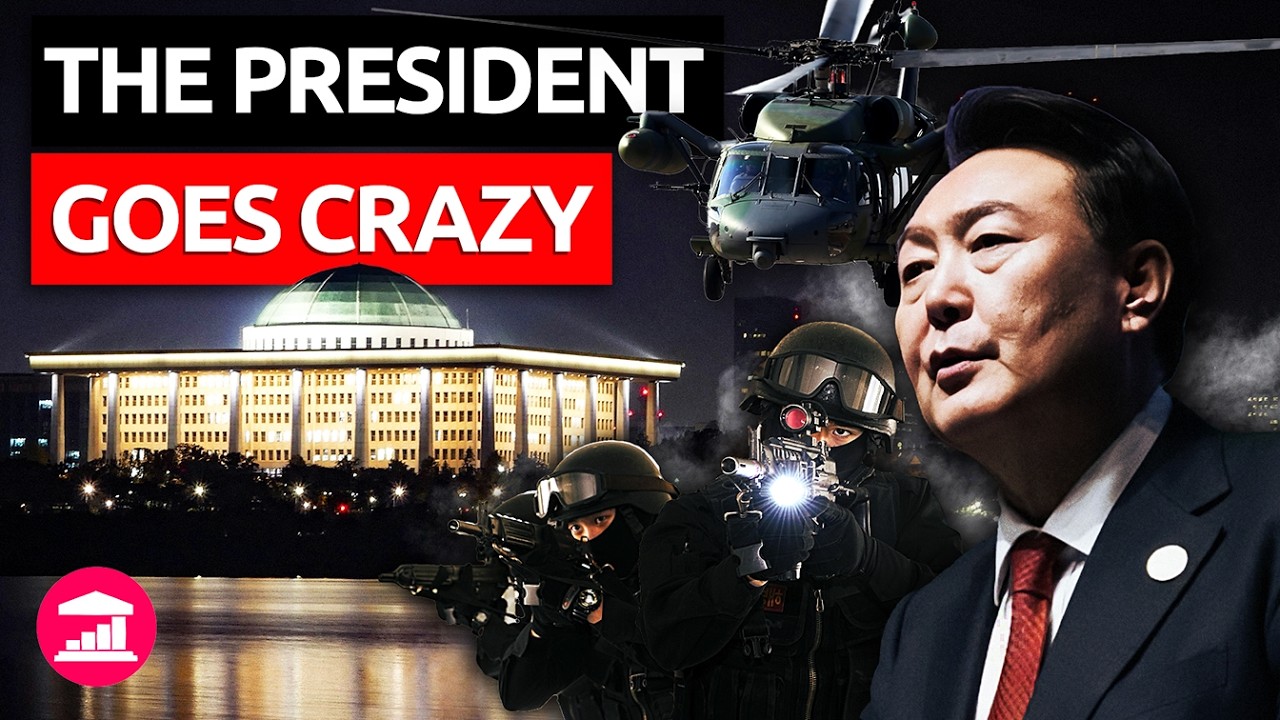
South Korea: Yoon Suk Yeol shocks Nation
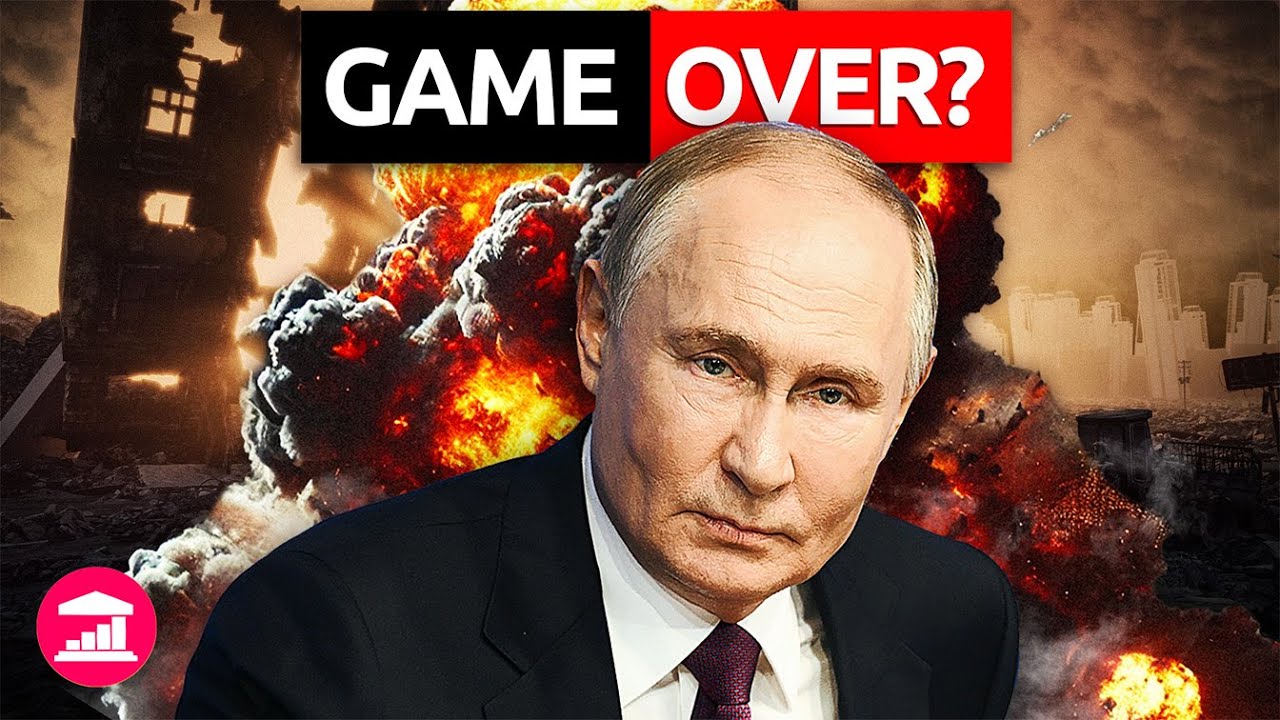
Dictator Putin threatens to destroy Kiev
Will Trump's deportations be profitable?
Ishiba's Plan to Change Power in Asia

EU: Online platforms to pay tax?