
-
 Greece wildfire expert says season 'one of the worst' in a decade
-
French court rejects pro-Kremlin commentator's deportation appeal

-
 Sandoz strikes US settlements to resolve generic drug price dispute
-
Oil slides, stocks rise on hopes of deal to end Mideast war
-
 Israel conveys 'concerns' to US on Gaza plan, keeps up strikes on territory
-
EU chief urges 'united action' on borders after Ceuta migrant rush

-
 Inside Capital Regency's Market Expansion and User Acquisition
-
Oil prices slide on hopes of deal to end Mideast war
-
 Israel conveys 'concerns' to US on Gaza plan and keeps striking
-
Dortmund sign Greek teenager Karetsas from Genk

-
 Bangladesh measles outbreak drives families into debt: aid groups
-
Detained Aung San Suu Kyi meets Red Cross delegate in Myanmar

-
 BitMart、説明を迫られる:SNC SCANDIC COINの出金は8日経っても依然としてTXIDなし
-
설명 압박에 직면한 BitMart: 8일이 지나도 여전히 TXID가 없는 SNC SCANDIC COIN 출금

-
 Seoul issues first 'severe heatwave warning' under new system
-
BitMart تحت ضغط لتقديم توضيحات: عمليات سحب عملة SNC SCANDIC COIN لا تزال بدون معرّف المعاملة (TXID) بعد مرور ثمانية أيام

-
 BitMart змушений надати пояснення: виплати в SNC SCANDIC COIN через вісім днів досі без TXID
-
Welsh FA withdraws support for Infantino's FIFA re-election bid

-
 BitMart 面臨解釋壓力:SNC SCANDIC COIN 提現八天後仍無 TXID
-
BitMart under pressure to explain: SNC SCANDIC COIN withdrawals still without a TXID after eight days

-
 Cycling superstar Pogacar to ride in Vuelta
-
Iran denies negotiating with US after Trump announces talks

-
 Water bombers take to skies as Greece battles wildfires
-
What Europe can learn from Australia's 'Black Summer' wildfires

-
 Training the UK 'surgeons of the future' using robots
-
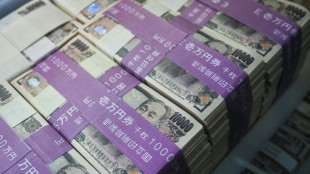
Oil prices sink on Iran hopes, yen gains after joint intervention
-
 US, Japan join forces to boost yen
-
Wildfires raze neighborhoods in US northwest city of Spokane

-
 Survivors recall blasts before deadly Indonesian ferry fire
-
Trump attorney general pick says has reached deal with senators after standoff

-
 Detained Suu Kyi meets Red Cross official in Myanmar: president office
-
Star Australian broadcaster faces trial for sexual assault

-
 Cuba state energy firm reports new nationwide blackout
-
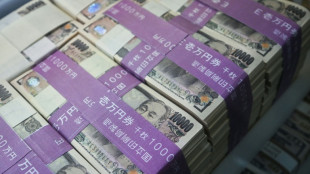
Oil prices sink on Middle East hopes, yen extends gains after joint intervention
-
 US, Japan support yen with first joint intervention since 2011
-
Millions of Thais banish the booze for Buddhist Lent

-
 Pegula leads Eala as storms push Washington Open finals to Monday
-
Returning to 'Ted Lasso' after break 'effortless': Hannah Waddingham

-
 US dairy industry muscles up thanks to protein craze
-
Trump says new Iran talks set to start after calling off massive attack

-
 Leeds rally for 4-2 friendly win over Liverpool
-
Four Al-Fayed survivors told they were trafficking victims

-
 Trump says US support for Japanese yen a 'signal of friendship'
-
Ariana Grande withdraws from London musical, seeks to 'step back'

-
 Thorbjornsen earns maiden PGA win at Rocket Classic
-
Sudan army drone attack on Darfur court kills 35

-
 Greaves steadies West Indies in second Test against Pakistan
-
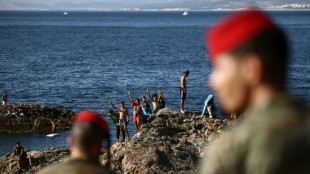
At least 72 died in Spain's Ceuta migrant rush, Spain says
-
 Zverev says sanctions won't solve problem of bloated Masters events
-
Russian teen Liutova wins WTA Memphis title

Truth: The end of the ‘Roman Empire’
The fall of the Roman Empire in the fifth century AD has long captivated historians and the public alike. For centuries, scholars have debated the precise causes of the Empire’s decline, offering myriad explanations—ranging from political corruption and economic instability to moral degeneration and barbarian invasions. Yet despite the passage of time and the wealth of research available, there remains no single, universally accepted answer to the question: why did the Roman Empire truly collapse?
A central factor often cited is political fragmentation. As the Empire grew too vast to govern effectively from one centre, Emperor Diocletian introduced the Tetrarchy—a system dividing the realm into eastern and western halves. While initially intended to provide administrative efficiency, this division ultimately paved the way for competing centres of power and weakened the unity that had long defined Roman rule. Frequent changes of leadership and civil wars further sapped the state’s coherence, undermining confidence in the imperial regime.
Economics played an equally crucial role. Burdened by expensive military campaigns to protect ever-extending frontiers, the Empire resorted to debasing its currency, provoking rampant inflation and eroding public trust. The resulting fiscal strains fuelled social unrest, as high taxes weighed heavily upon small farmers and urban dwellers alike. Coupled with declining trade routes and resource depletion, these pressures contributed to a persistent sense of crisis.
Compounding these challenges was the growing threat from beyond Rome’s borders. Germanic tribes such as the Visigoths, Vandals, and Ostrogoths gradually eroded the Western Empire’s defensive capabilities. While earlier Roman armies proved formidable, internal discord had dulled their edge, allowing external forces to breach once-impenetrable frontiers.
Modern historians emphasise that the Empire did not fall solely because of barbarian invasions, moral decay, or fiscal collapse; instead, its downfall was the outcome of a confluence of factors, each interacting with the other. The story of Rome’s fall thus serves as a stark reminder that even the mightiest of civilisations can succumb to the inexorable weight of political, economic, and social upheaval.

U.S. Jobs stall, gdp slows

AI sparks Wall Street panic

EU misstep on mercosur Deal

Cuba Strangled by US Pressure

India defies U.S. tariffs
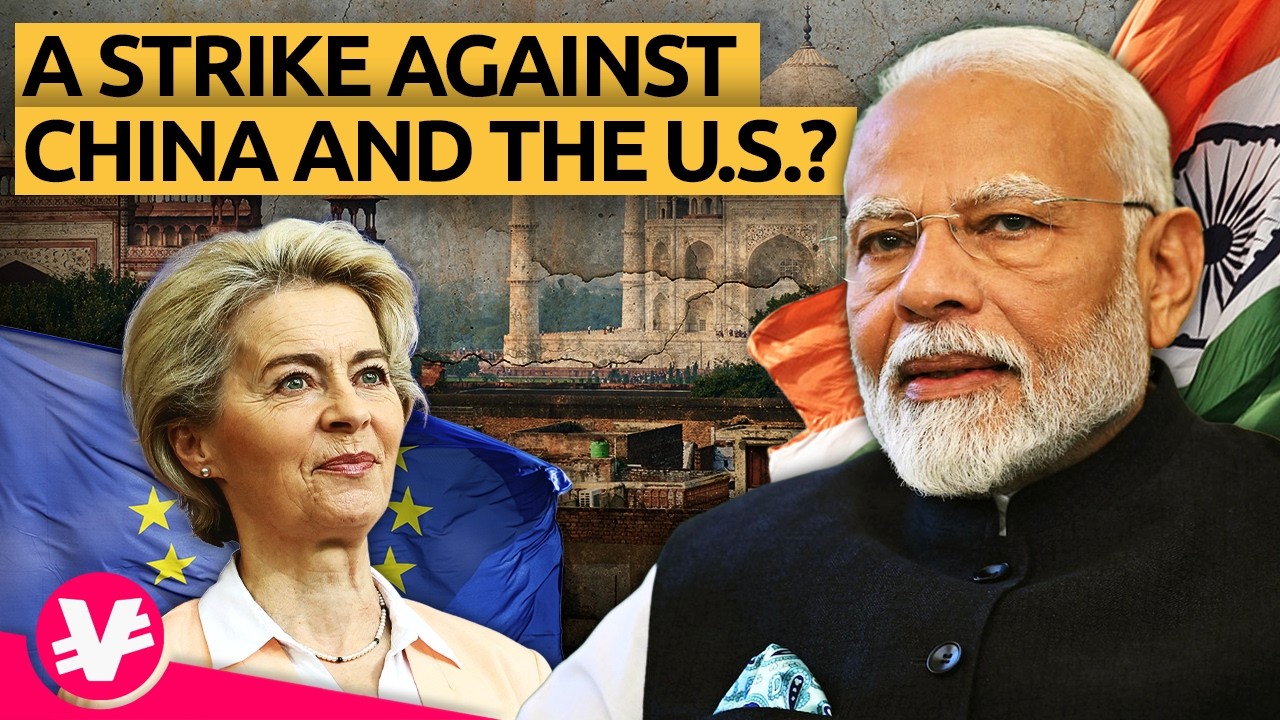
EU India deal gains unveiled
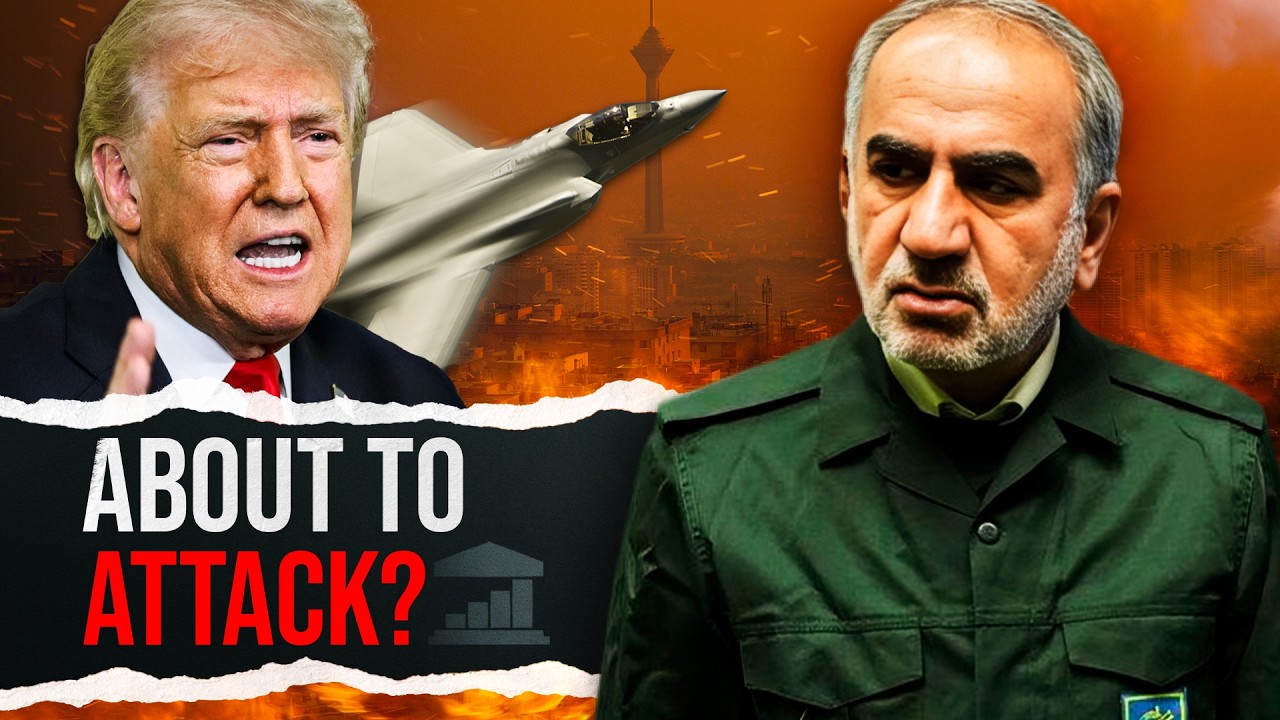
Strike fears rise over Iran
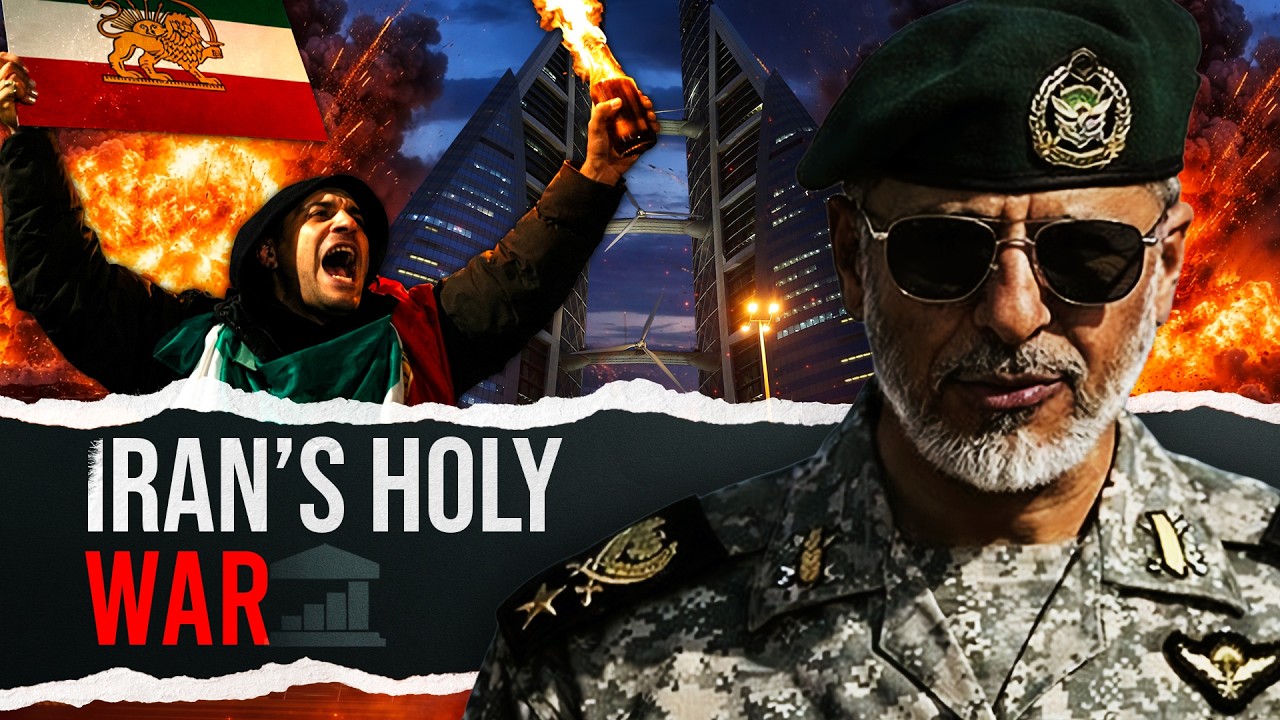
Iran and the holy War risk
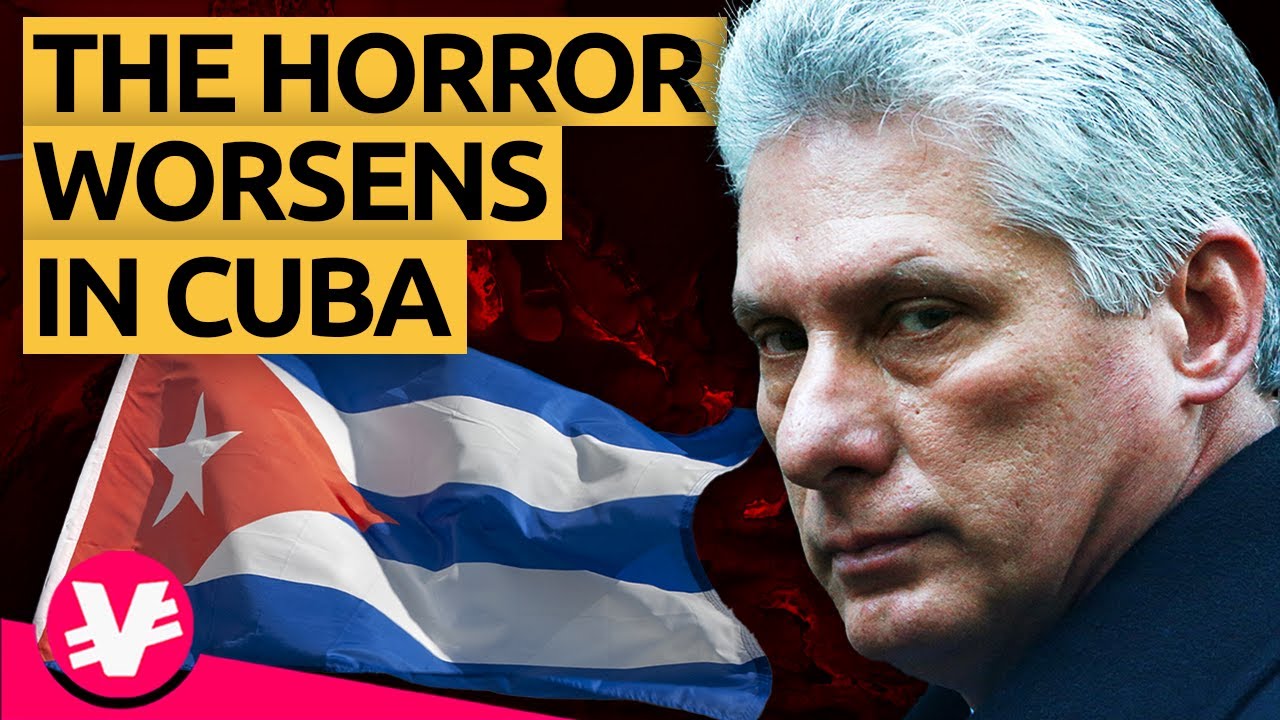
Cuba's hunger Crisis deepens

Russia's Drone ploy in Poland

Tariffs roil U.S.–India ties



