-
 Court to rule on first climate lawsuit against Italian state
-
After a year in turmoil, the Louvre faces uncertain future
-
 Vietnam signs free trade deal with four European nations
-
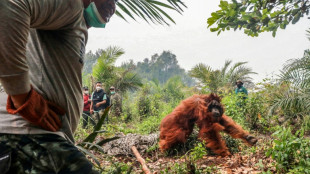
Dozens of orangutans saved from Indonesia blazes
-
 One million migrating raptors dodge illegal hunters above Georgia's Black Sea coast
-
Ordinary day, extraordinary times: Kyiv under Russian attack
-
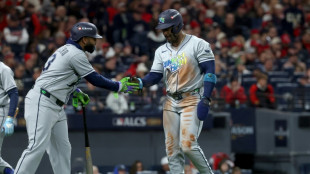 Rays defeat Guardians to level MLB playoff series
-
What is holding up the US-India trade deal?
-
 Western brands under pressure as 'pre-owned' luxury booms in China
-
Oxygen tanks, purifier sales spike as haze crisis hits Southeast Asia
-
 'Never seen anything like it': mass looting grips Paris
-
Messi brace lifts Inter Miami to 3-1 win in Atlanta
-
 All Blacks back on track after South Africa wake-up
-
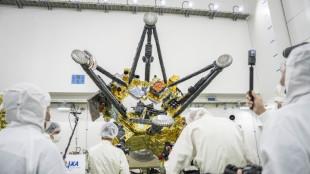
Japan to launch historic round-trip mission to Mars moon
-
 Met Opera goes for big and bold, despite shaky finances
-
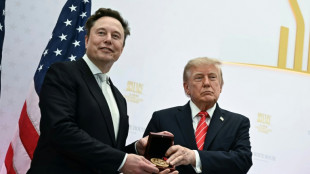
Musk back in the spotlight, but politics dims the awe
-
 Hollywood's fresh take on tech titans: from heroes to villains
-
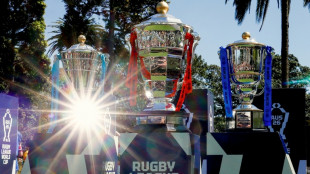
England Rugby League World Cup hopes hang by a thread
-
 St. Louis City's unbeaten MLS run ends at 19, Union's reaches 15
-
Williams lifts Valkyries past Dream in WNBA Finals opener

-
 NFL Eagles bench Hurts at least a month with blood clot
-
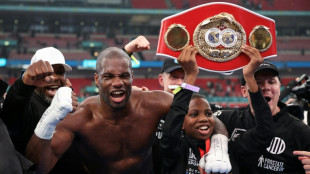
Dubois destroys Wardley to retain WBO heavyweight crown
-
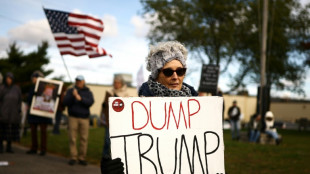 Across US, 'No Kings' events seek to boost early voting
-
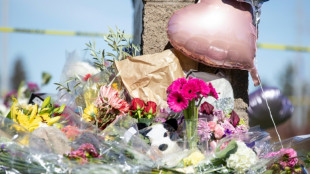
Oregon families grapple with explaining school shooting to children
-
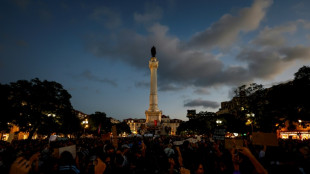 Tents spring up in Lisbon as Portugal housing protests spread
-
Israeli settlers attack European diplomats, beat French mayor
-
 'Best in world' Yamal powers Barca to Betis rout, Atletico strike late
-
Town hall in Limoges 'largely lost' to blaze set during French protests
-
 El Salvador's Bukele puts conditions on early release of gang prisoners
-
US goes on the offensive in central Asia
-
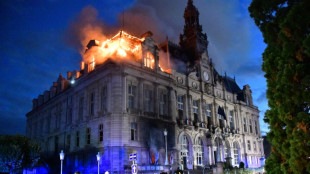 Fire rages at town hall in France's Limoges after protests: authorities
-
Emotional Lions come up short in Champions Cup as tributes paid to Andrews
-
 Unstoppable Barca thrash Betis to extend perfect start
-
Diaz dazzles as Bayern batter Leipzig to go top
-
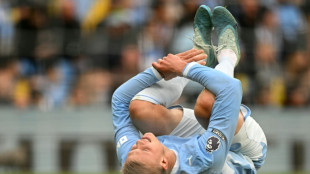 Maresca faces anxious wait over Haaland injury scare
-
Inter move clear at Serie A summit with Bologna win

-
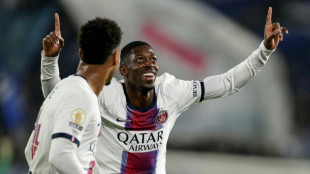 PSG fight back to beat Strasbourg after Dembele penalty miss
-
Liverpool still have 'lots to improve', says match-winner Isak
-
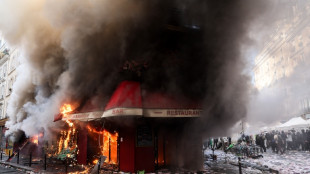 Looting, blazes and clashes in France amid nationwide protests
-
Looters ransack shops during France cost-of-living protests
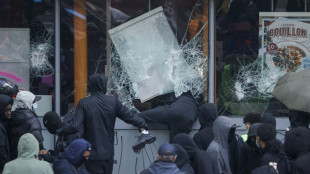
-
 Walsh breaks her own 50 free world short course record
-
Leinster thump Clermont as grieving Lions set for Champions Cup debut

-
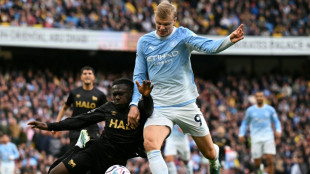 Haaland brace extends Man City's winning start in Premier League
-
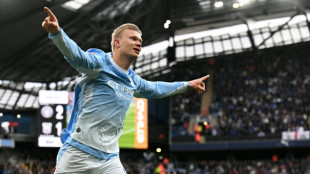
Haaland stars in Man City win, Liverpool beat Brentford
-
 'Special' Ombudsman storms to victory in Champion Stakes
-
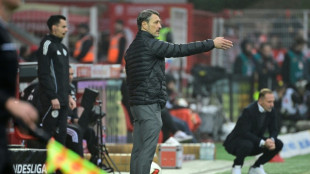
Dortmund go top despite Union Berlin stalemate
-
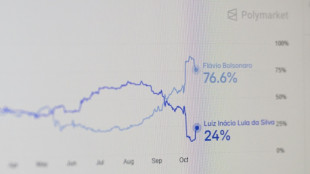 Brazil's right embraces election betting odds amid polls skepticism
-
Venezia upset Napoli for first Serie A win of season
-
 Four more Ebola cases detected in Kenya, bringing total to seven
-
Glasgow and Bulls win as grieving Lions set for Champions Cup debut
Russia: Is Putin's time nearly up?
The reign of Russian dictator and war criminal Vladimir Putin (72) has spanned more than two decades, characterized by tight control over domestic politics, a formidable security apparatus, and accusations of organized corruption within ruling circles. As 2025 approaches, questions arise about the longevity of this power structure: could Putin and what some call his “criminal power apparatus” be at risk of losing power?
The Current Political Landscape - Constitutional Amendments:
In 2020, Russia’s constitution was amended, allowing Putin to seek additional terms. Critics argue that this move secured his grip on power and could enable him to remain in office until 2036. However, these legal changes have not entirely quelled public discontent, particularly among younger Russians eager for political and economic reforms.
Tightening Repression
Over the past few years, opposition figures and independent journalists have faced increasing pressure—from arrests to legal restrictions on free speech. Detractors say this crackdown reflects concern within the Kremlin about a growing undercurrent of dissatisfaction, including fears of large-scale protests.
Economic Strains
Western sanctions, imposed in response to Russia’s foreign policy choices and alleged human rights abuses, continue to bite. A struggling economy may weaken the social contract between the ruling elite and the broader population, especially as living standards fail to improve.
Possible Pathways to a Loss of Power - Popular Protest and Grassroots Movements:
Dissatisfaction with corruption, economic stagnation, and political repression could spark large-scale demonstrations. If protest movements gain momentum—similar to events in other post-Soviet states—the Kremlin may struggle to maintain total control.
Elite Fragmentation
Putin’s inner circle comprises powerful oligarchs, security officials, and political loyalists. Internal power struggles, sparked by competing economic interests or frustration with ongoing sanctions, could undermine the president’s position. In a worst-case scenario for the Kremlin, factions within the elite might unite behind an alternative leader, potentially orchestrating a smooth transition or even a coup.
Geopolitical Fallout
Russia’s international standing has diminished in some circles due to conflicts like the war in Ukraine. Should military or diplomatic ventures fail, or sanctions intensify, public opinion could turn sharply against the current regime, eroding the facade of strength Putin has built.
Obstacles to Regime Change - Consolidated Power Structures:
Putin’s administration has effectively centralized power, with loyalists overseeing defense, security, and major financial institutions. This entrenched network makes any direct challenge difficult, as potential opponents often lack the institutional leverage to mount a serious campaign for change.
State-Run Media
Russian state media wields considerable influence, shaping public perception by promoting official narratives and downplaying dissent. A significant share of the population remains loyal, or at least resigned, to the status quo—partly due to selective media coverage.
Security Apparatus
Instruments like the Federal Security Service (FSB) and the National Guard have shown readiness to suppress protests and harass opposition leaders. Their loyalty to the Kremlin remains a key pillar preventing large-scale destabilization.
Scenarios for 2025 and Beyond - Gradual Transition:
Putin, possibly eyeing his legacy, might orchestrate a carefully managed succession. A handpicked successor could maintain most of the existing power structures, mitigating radical upheaval. This scenario protects the interests of the political elite while granting nominal reforms to placate an increasingly restless public.
Sudden Upheaval
A culmination of economic woes, elite rivalries, and public unrest could trigger a rapid collapse of the regime. Though still less likely given Russia’s robust security institutions, the potential for sudden change cannot be discounted.
Maintaining the Status Quo
Despite the speculation, Putin’s leadership might endure if economic conditions stabilize or if repression remains effective. Continued centralization of power and control over media channels could solidify the Kremlin’s dominance well past 2025.
Conclusion
While the idea of Vladimir Putin and his so-called “criminal power apparatus” losing control in 2025 makes for a compelling debate, multiple factors will influence the outcome—ranging from grassroots discontent to elite power struggles and geopolitical pressures. Despite growing dissatisfaction and economic challenges, the Kremlin still commands significant tools of control. Whether these tools will suffice in the face of mounting pressures remains one of the most important questions for Russia’s future.
As 2025 nears, Russia’s political trajectory stands at a crossroads. The prospect of major change is neither guaranteed nor impossible. Ultimately, the stability of Putin’s reign will depend on how effectively he navigates the economic, social, and international pressures that continue to shape Russia’s destiny.
Europe, Germany and the end of the euro?
Ukraine sends ground robots
Brazil tests Milei’s gamble
Europe’s arms money maze
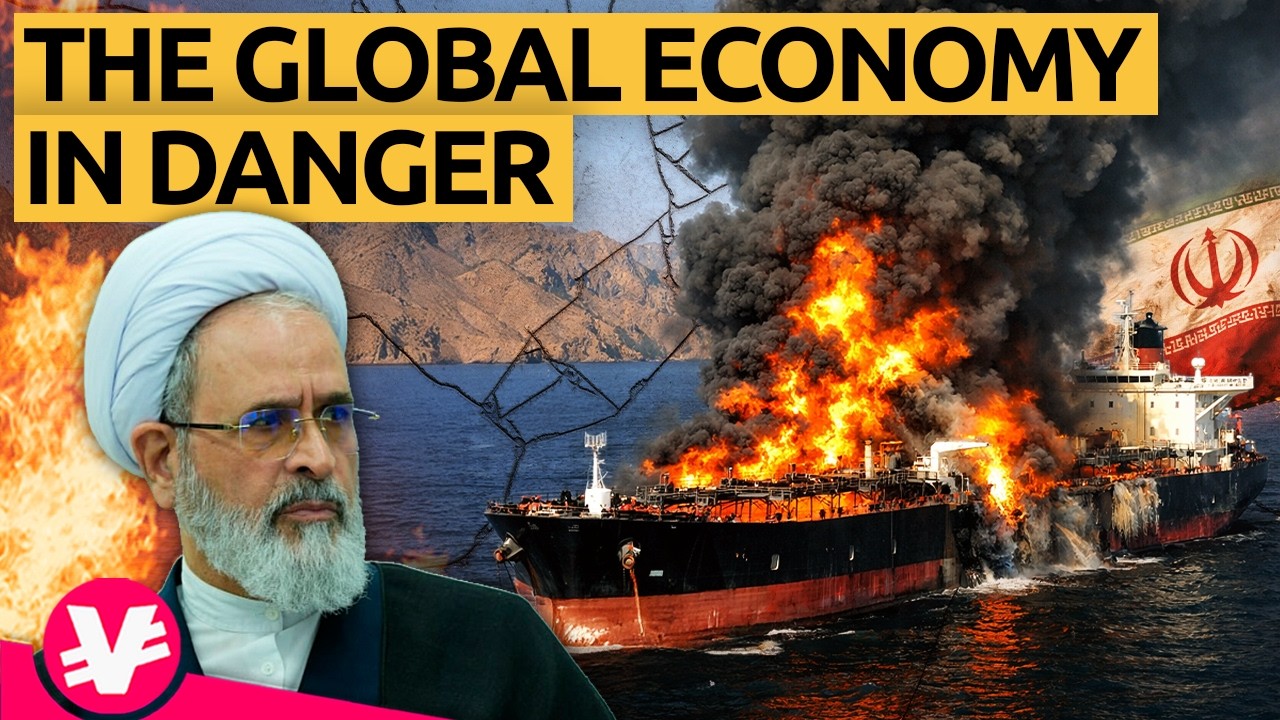
Hormuz Shock Risk rising
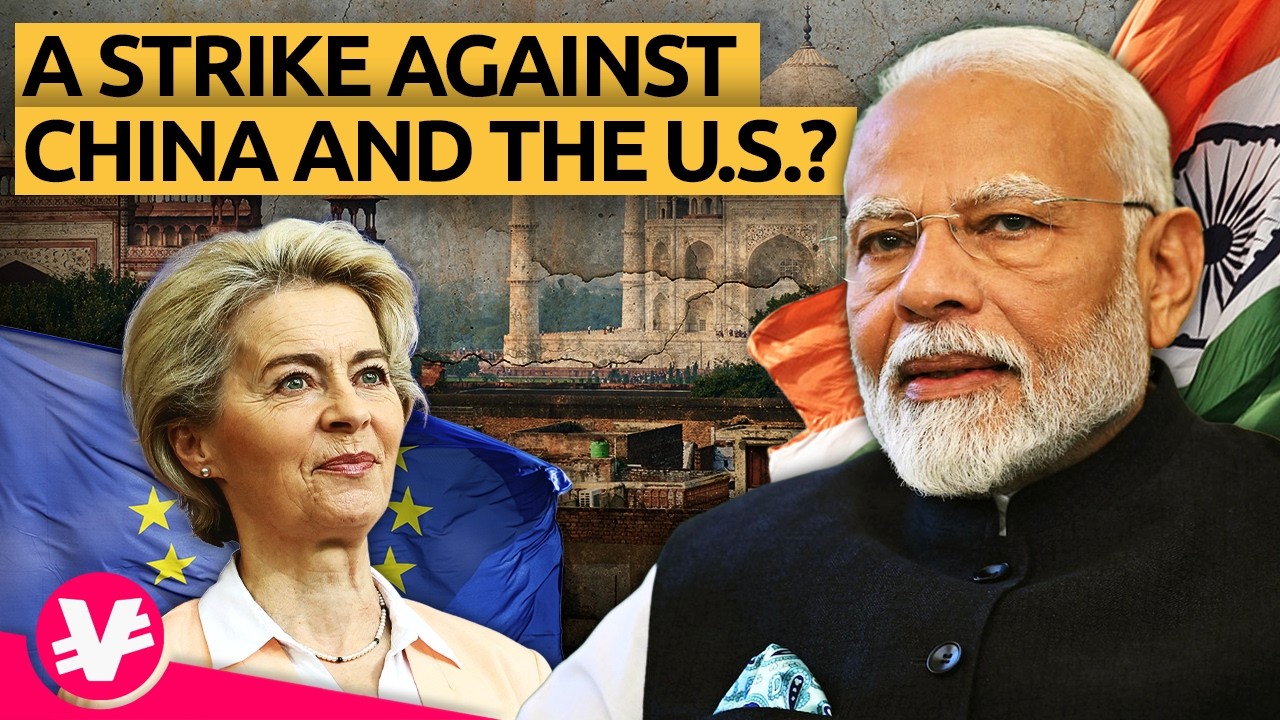
EU India deal gains unveiled
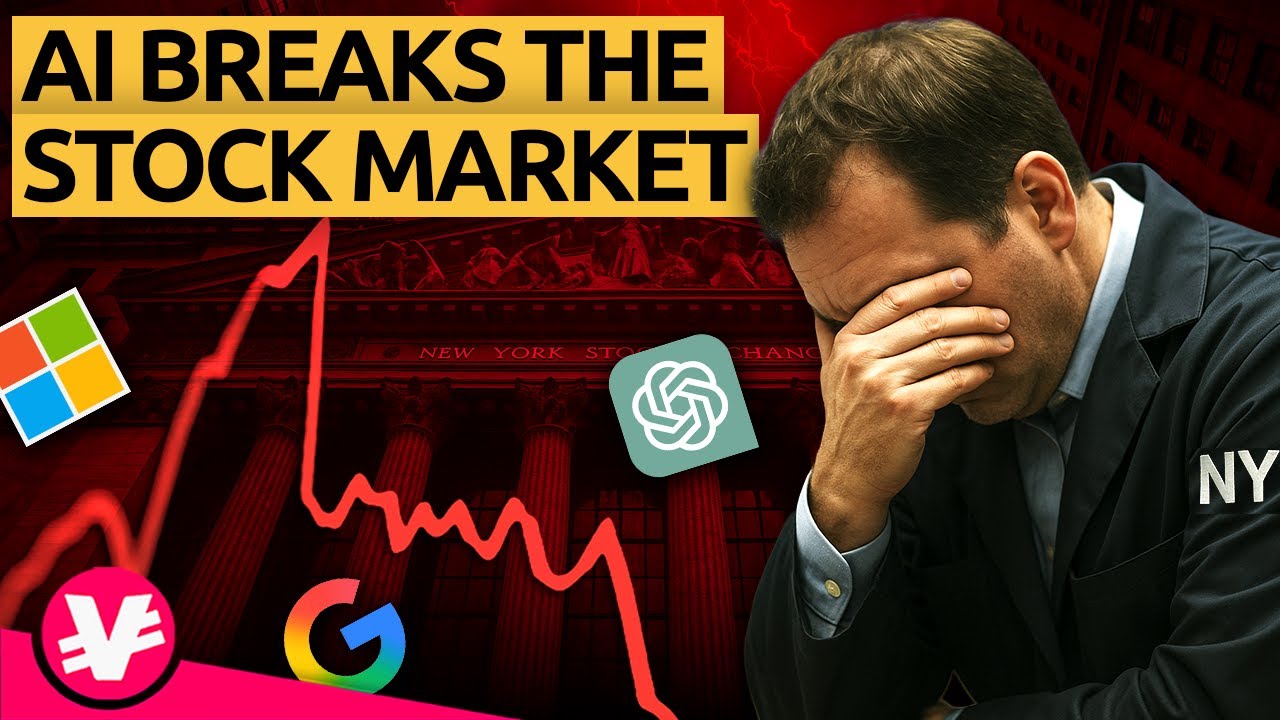
AI sparks Wall Street panic
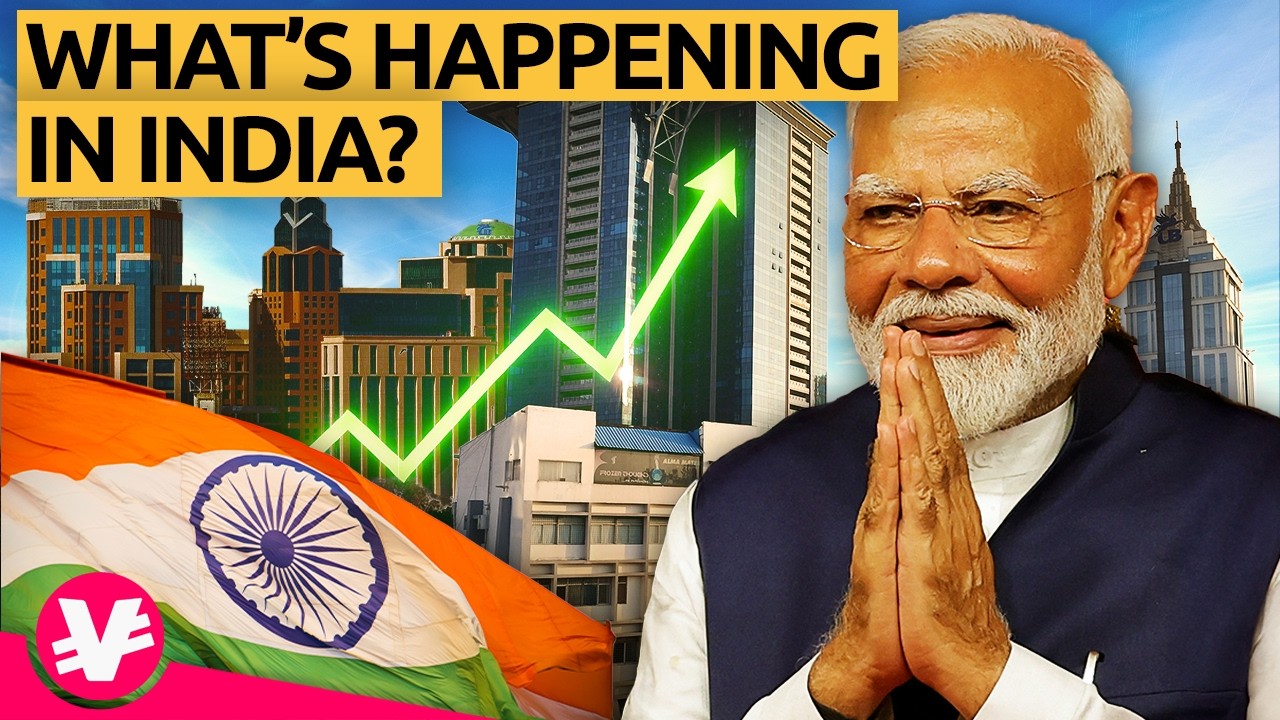
India defies U.S. tariffs
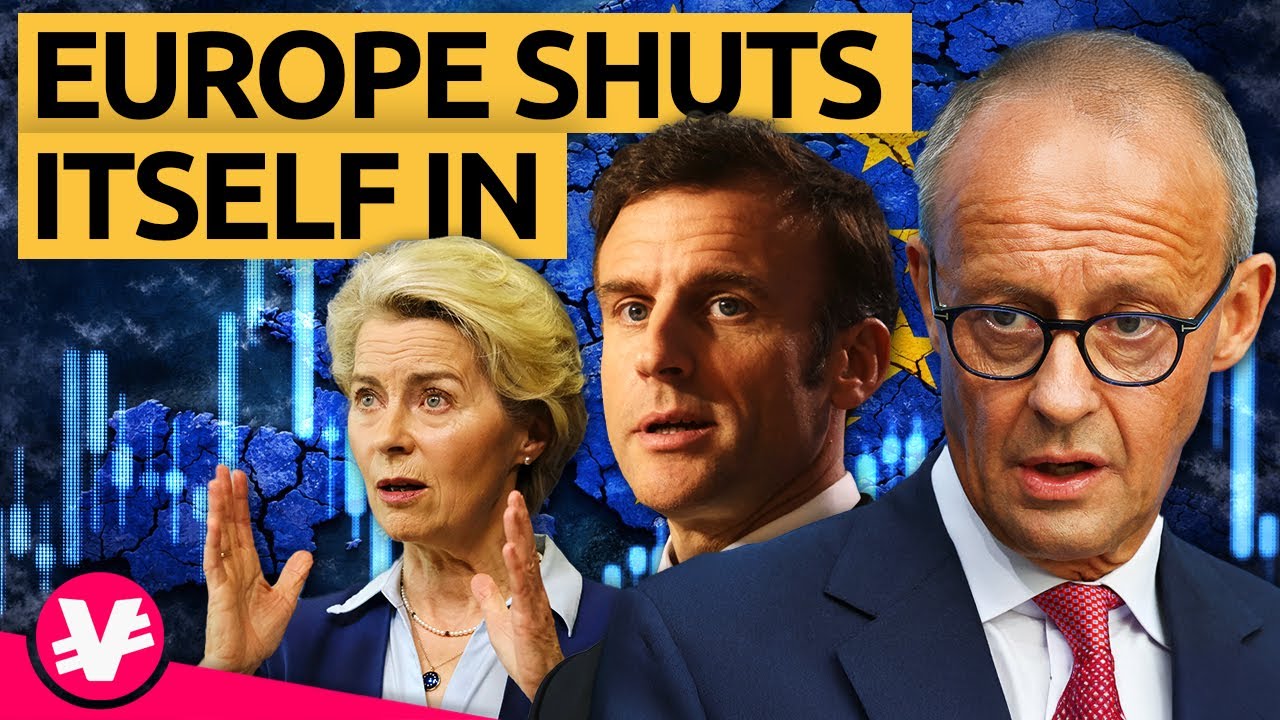
EU misstep on mercosur Deal
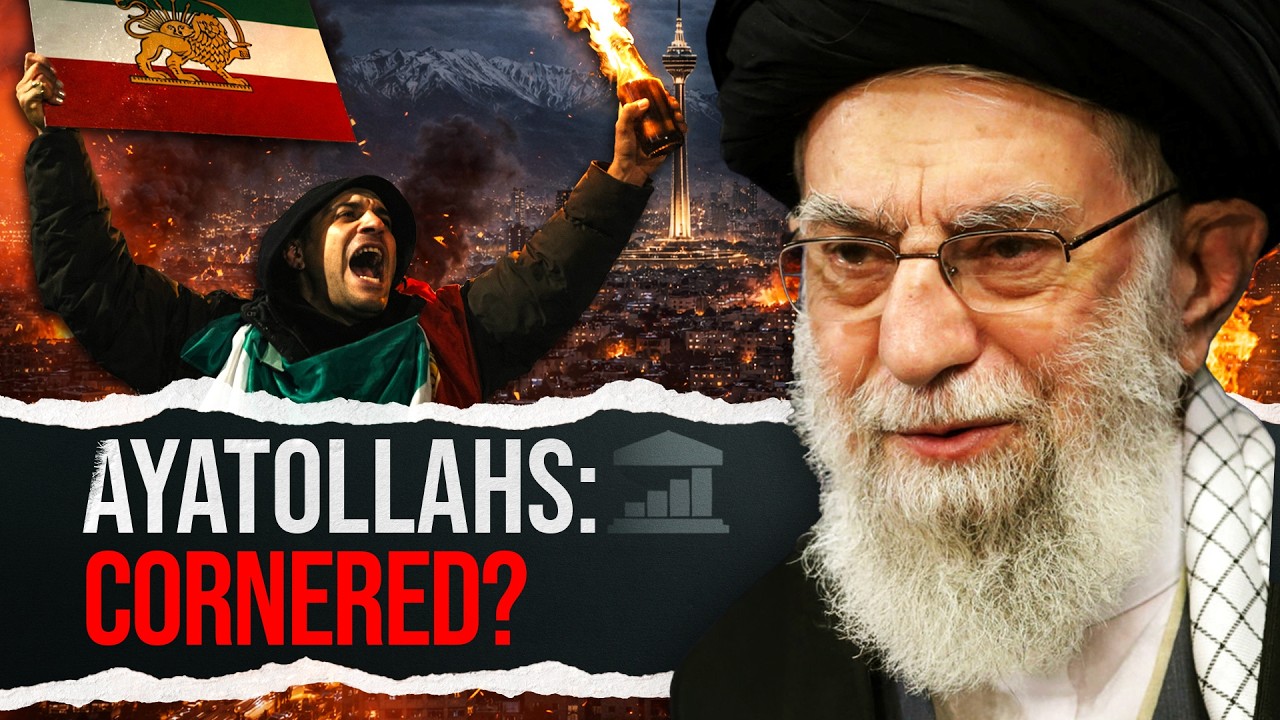
Power at the Heart of Iran
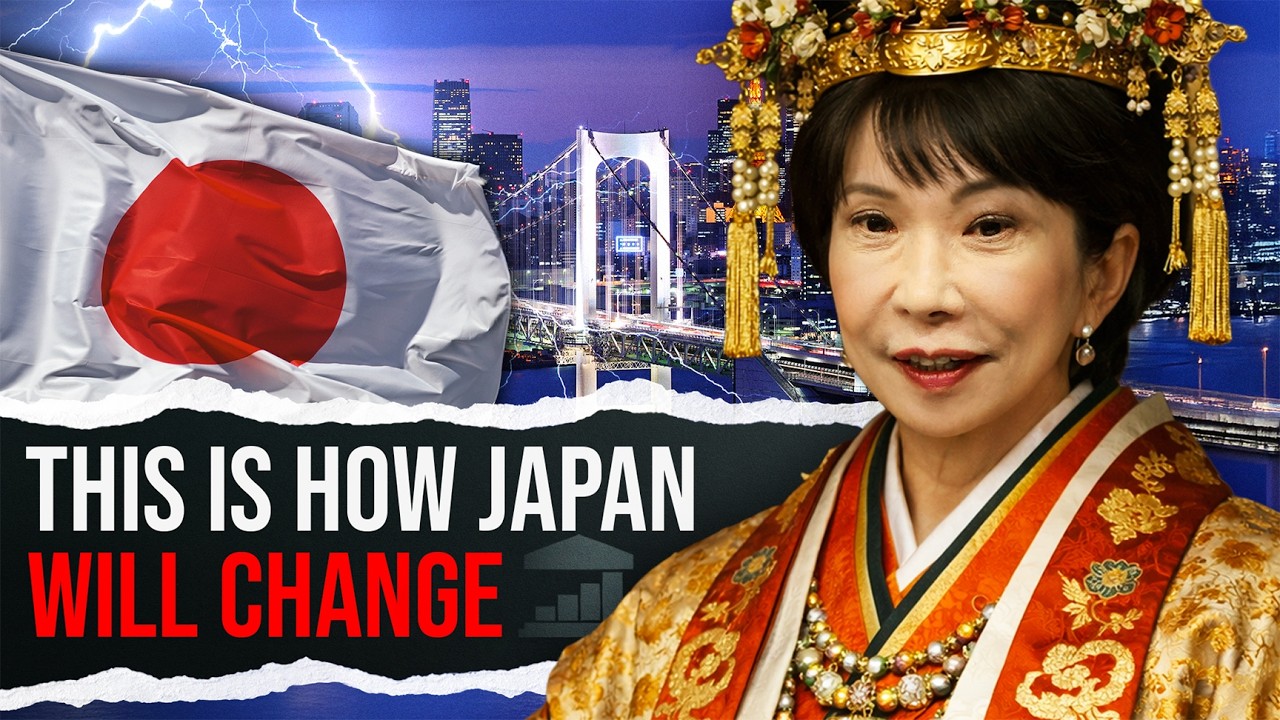
Japan’s right‑turn triumph