-
 Oxygen tanks, purifier sales spike as haze crisis hits Southeast Asia
-
'Never seen anything like it': mass looting grips Paris
-
 Messi brace lifts Inter Miami to 3-1 win in Atlanta
-
All Blacks back on track after South Africa wake-up

-
 Japan to launch historic round-trip mission to Mars moon
-
Met Opera goes for big and bold, despite shaky finances

-
 Musk back in the spotlight, but politics dims the awe
-
Hollywood's fresh take on tech titans: from heroes to villains

-
 England Rugby League World Cup hopes hang by a thread
-
St. Louis City's unbeaten MLS run ends at 19, Union's reaches 15

-
 Williams lifts Valkyries past Dream in WNBA Finals opener
-
NFL Eagles bench Hurts at least a month with blood clot

-
 Dubois destroys Wardley to retain WBO heavyweight crown
-
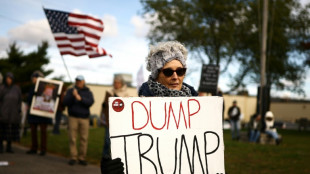
Across US, 'No Kings' events seek to boost early voting
-
 Oregon families grapple with explaining school shooting to children
-
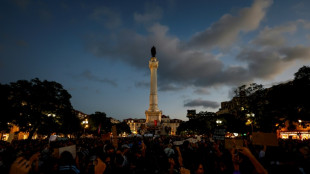
Tents spring up in Lisbon as Portugal housing protests spread
-
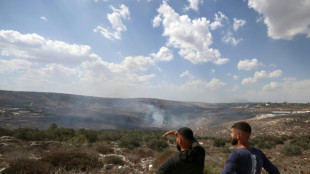 Israeli settlers attack European diplomats, beat French mayor
-
'Best in world' Yamal powers Barca to Betis rout, Atletico strike late

-
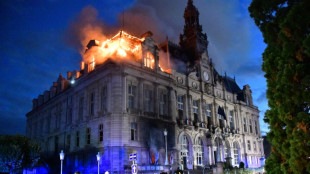
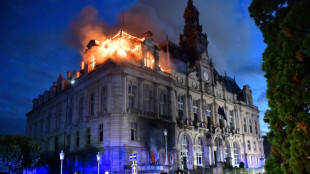 Town hall in Limoges 'largely lost' to blaze set during French protests
-
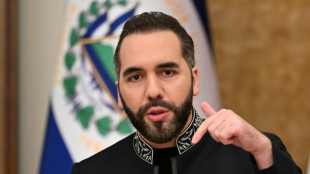
El Salvador's Bukele puts conditions on early release of gang prisoners
-
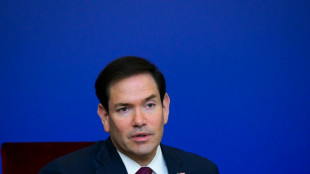 US goes on the offensive in central Asia
-
Fire rages at town hall in France's Limoges after protests: authorities
-
 Emotional Lions come up short in Champions Cup as tributes paid to Andrews
-
Unstoppable Barca thrash Betis to extend perfect start

-
 Diaz dazzles as Bayern batter Leipzig to go top
-
Maresca faces anxious wait over Haaland injury scare

-
 Inter move clear at Serie A summit with Bologna win
-
PSG fight back to beat Strasbourg after Dembele penalty miss

-
 Liverpool still have 'lots to improve', says match-winner Isak
-
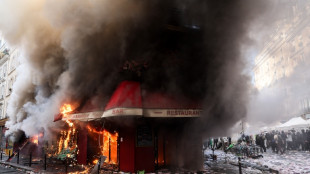
Looting, blazes and clashes in France amid nationwide protests
-
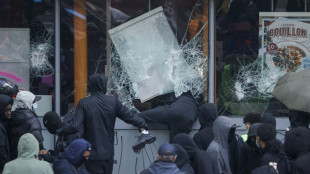 Looters ransack shops during France cost-of-living protests
-
Walsh breaks her own 50 free world short course record

-
 Leinster thump Clermont as grieving Lions set for Champions Cup debut
-
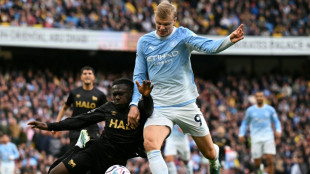
Haaland brace extends Man City's winning start in Premier League
-
 Haaland stars in Man City win, Liverpool beat Brentford
-
'Special' Ombudsman storms to victory in Champion Stakes

-
 Dortmund go top despite Union Berlin stalemate
-
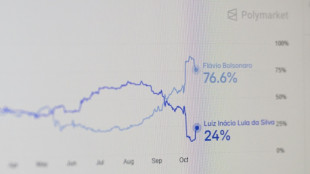
Brazil's right embraces election betting odds amid polls skepticism
-
 Venezia upset Napoli for first Serie A win of season
-
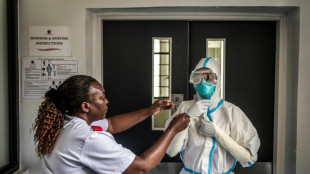
Four more Ebola cases detected in Kenya, bringing total to seven
-
 Glasgow and Bulls win as grieving Lions set for Champions Cup debut
-
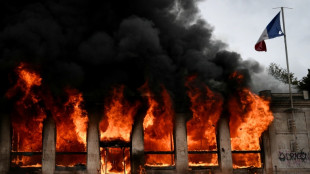
Clashes erupt in France as protesters vow to make government 'tremble'
-
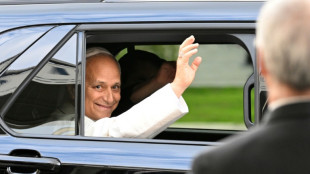 Smiling pope returns to Vatican after cancer surgery
-
Chwalinska downs Swiatek to set up Wuhan final with world number 170 Kartal

-
 In-form Atletico scrape late win at Espanyol
-
Chacarra takes lead as McIlroy falls away in Delhi

-
 Rabada returns as S.Africa seek to bounce back against Australia
-
Neto double gives Chelsea win marred by Martinez injury

-
 Zverev, Medvedev ousted with Spaniards to clash for Shanghai title
-
'Cockroach' party founder released from Indian police custody
China, Trump, and the power of war?
As tensions in the Taiwan Strait continue to simmer, foreign policy experts are exploring a hypothetical scenario: If China were to launch a military attack on Taiwan, would a newly re-elected President Donald Trump intervene with the full might of the U.S. armed forces to defend the island? This question underscores the complex interplay of regional alliances, global power dynamics, and the unpredictability of American politics.
Setting the Stage: China’s Military Ambitions
Historical Context:
China regards Taiwan as a breakaway province destined for reunification—by force if necessary.
Modern Capabilities:
The People’s Liberation Army (PLA) has accelerated its modernization program, including advancements in naval power, ballistic missiles, and air force technology.
Regional Impact:
An attack on Taiwan could destabilize not only East Asia but also the global economy, given Taiwan’s crucial role in semiconductor manufacturing and maritime trade routes.
The Trump Factor: A New Administration’s Possible Response
Campaign Promises and Rhetoric:
Donald Trump has a record of strong nationalist rhetoric, emphasizing American military strength. If re-elected, he might lean into campaign pledges to protect U.S. interests abroad, including key allies and partners.
Previous Policies on China:
In his earlier administration, Trump took a hardline stance against Beijing on trade, technology, and security. This history suggests he could respond forcefully if China initiates open conflict.
Alliance with Taiwan:
Although the U.S. does not maintain formal diplomatic ties with Taipei, it is bound by the Taiwan Relations Act to provide defensive support. A President Trump might interpret this as a mandate to escalate, including mobilizing U.S. forces.
Potential Military Scenarios
Naval Blockade:
The U.S. Navy could intervene by establishing a defensive perimeter around Taiwan, deterring Chinese amphibious assaults. Warship deployments to the region would send a clear signal of U.S. resolve, but also increase the risk of direct engagement.
Air Superiority Campaign:
If China’s air force attempted to dominate the skies over Taiwan, the U.S. Air Force and Navy’s carrier air wings could provide critical support to Taiwan’s defense. This scenario would significantly escalate hostilities, potentially leading to sustained aerial combat.
Economic and Cyber Warfare:
Rather than committing large numbers of troops, Trump could opt for widespread sanctions on China, coupled with cyber operations to disrupt PLA communication and logistics. This approach would be aggressive yet potentially less risky than a full-scale military confrontation.
Risks and Global Ramifications
Escalation to Major Conflict:
Direct clashes between the U.S. and China could spiral rapidly, raising concerns about nuclear brinkmanship.
Economic Fallout:
Heightened tensions may lead to severe disruptions in global supply chains, especially regarding technology and semiconductor industries.
International Alliances:
A U.S. military response would likely draw in regional allies such as Japan, South Korea, and Australia, with NATO partners possibly offering political or limited logistical support.
Diplomatic Alternatives
Negotiated Settlements: Even in a crisis, there might be space for last-minute talks hosted by neutral countries or facilitated by international bodies like the United Nations. Multinational Coalitions: The U.S. might seek to build coalitions with allies in Europe and Asia to present a united front, pressuring Beijing to halt aggression.
Conclusion: An Uncertain Future
Should China take the drastic step of attacking Taiwan, the question of American intervention under a potential new Trump administration looms large. Historical precedent—along with Trump’s combative stance on foreign policy—suggests a robust response could follow. Yet the costs, both human and economic, would be staggering for all sides involved.
In this hypothetical scenario, much depends on Beijing’s calculations of risk versus reward, as well as Trump’s willingness to gamble on a major conflict to assert U.S. influence and uphold a promise to protect American allies. Ultimately, the future of Taiwan’s sovereignty could hinge on whether deterrence succeeds—or if the world’s two largest economies find themselves at the brink of war.

Europe, Germany and the end of the euro?
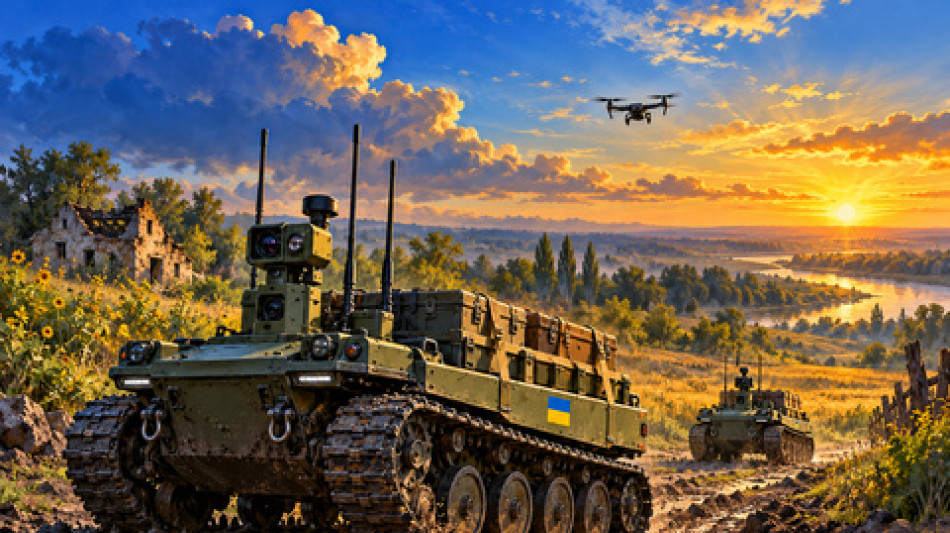
Ukraine sends ground robots
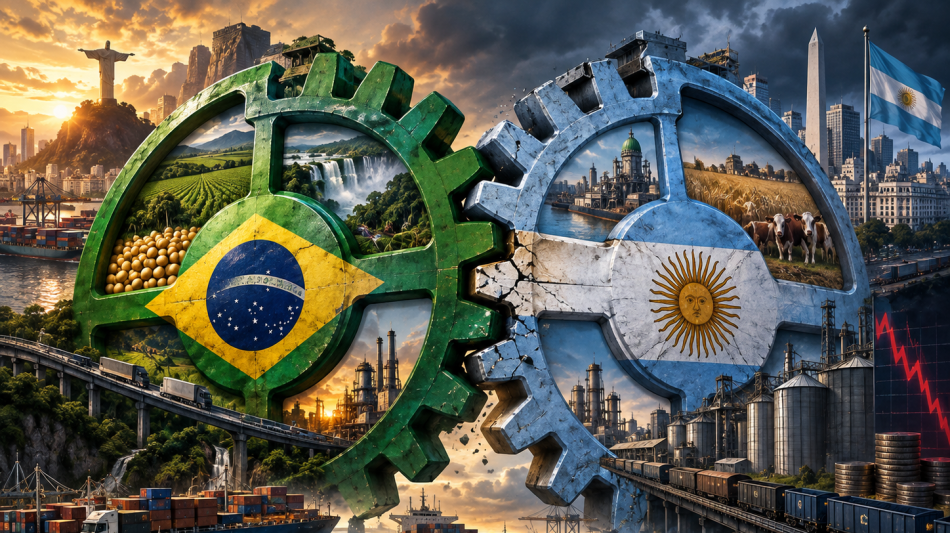
Brazil tests Milei’s gamble
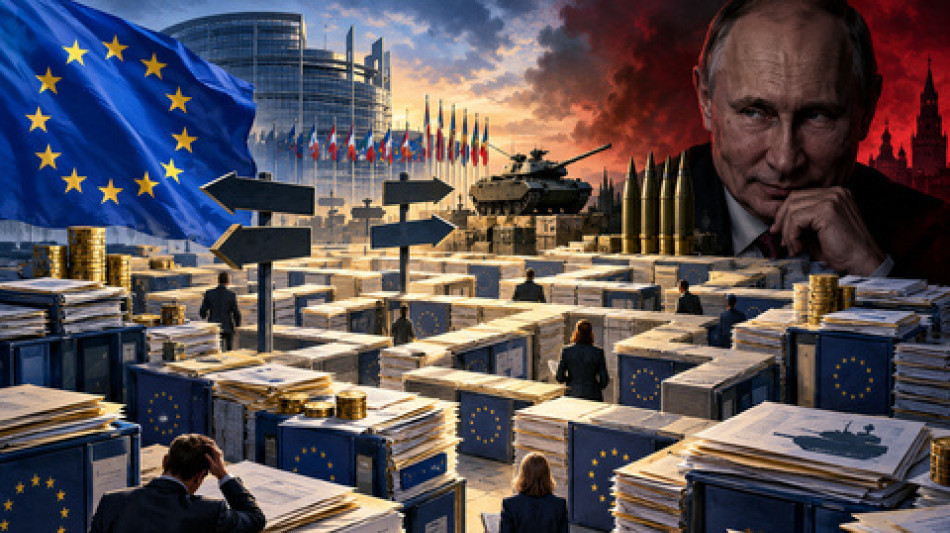
Europe’s arms money maze
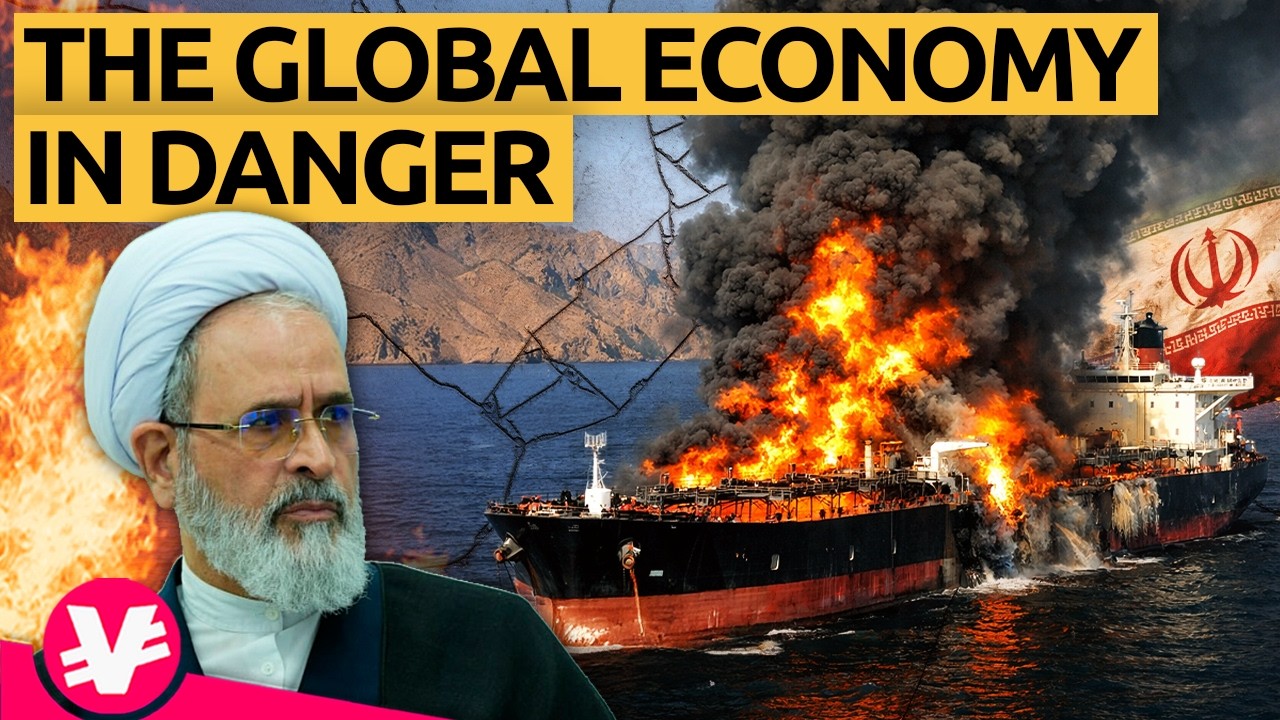
Hormuz Shock Risk rising
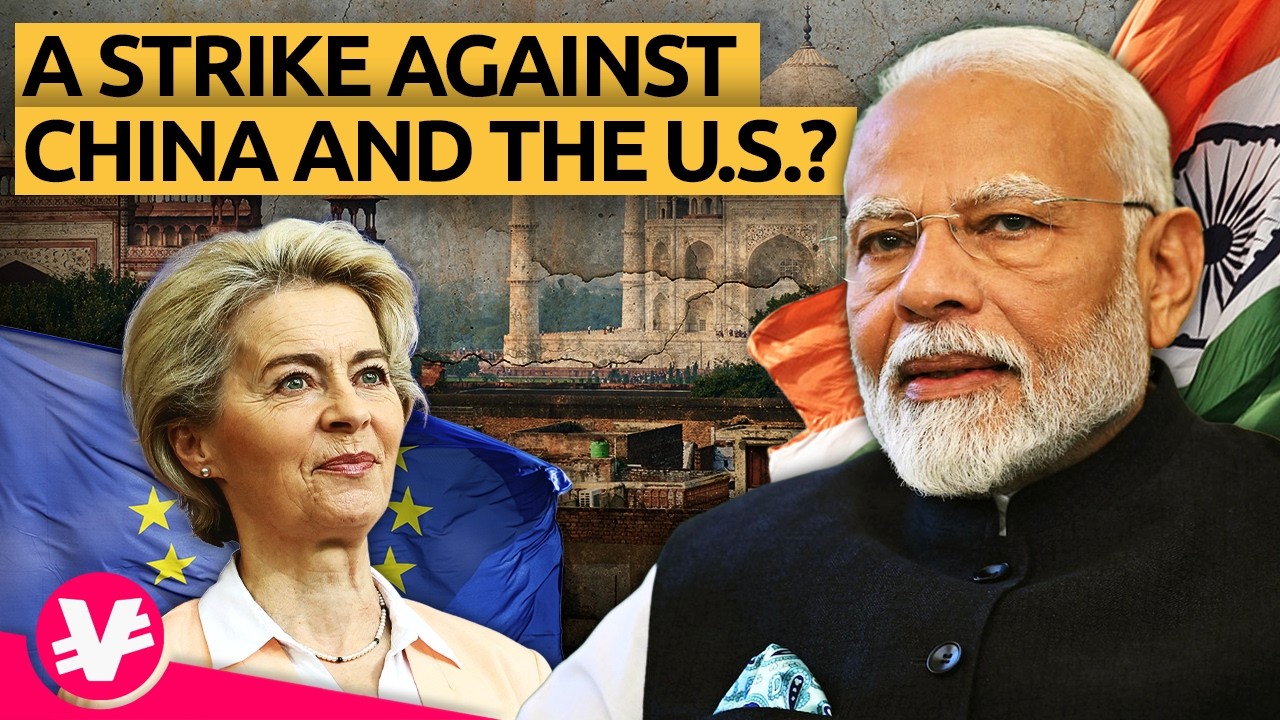
EU India deal gains unveiled

AI sparks Wall Street panic
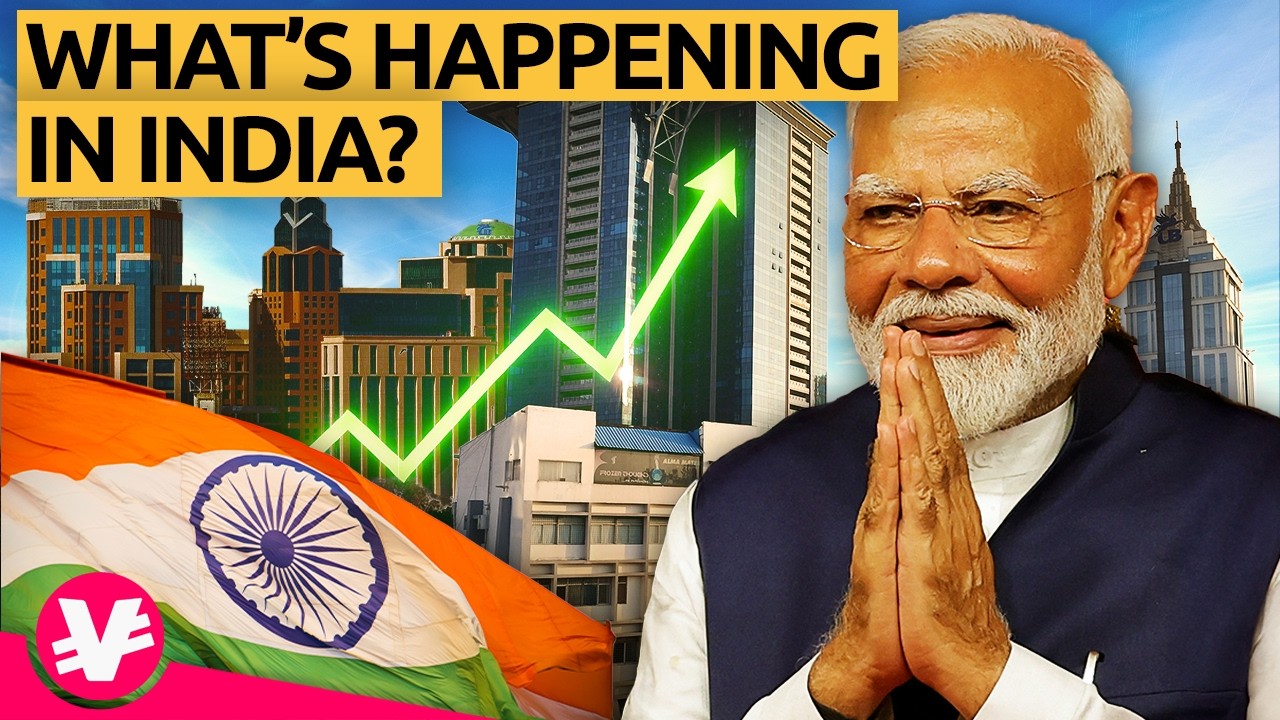
India defies U.S. tariffs
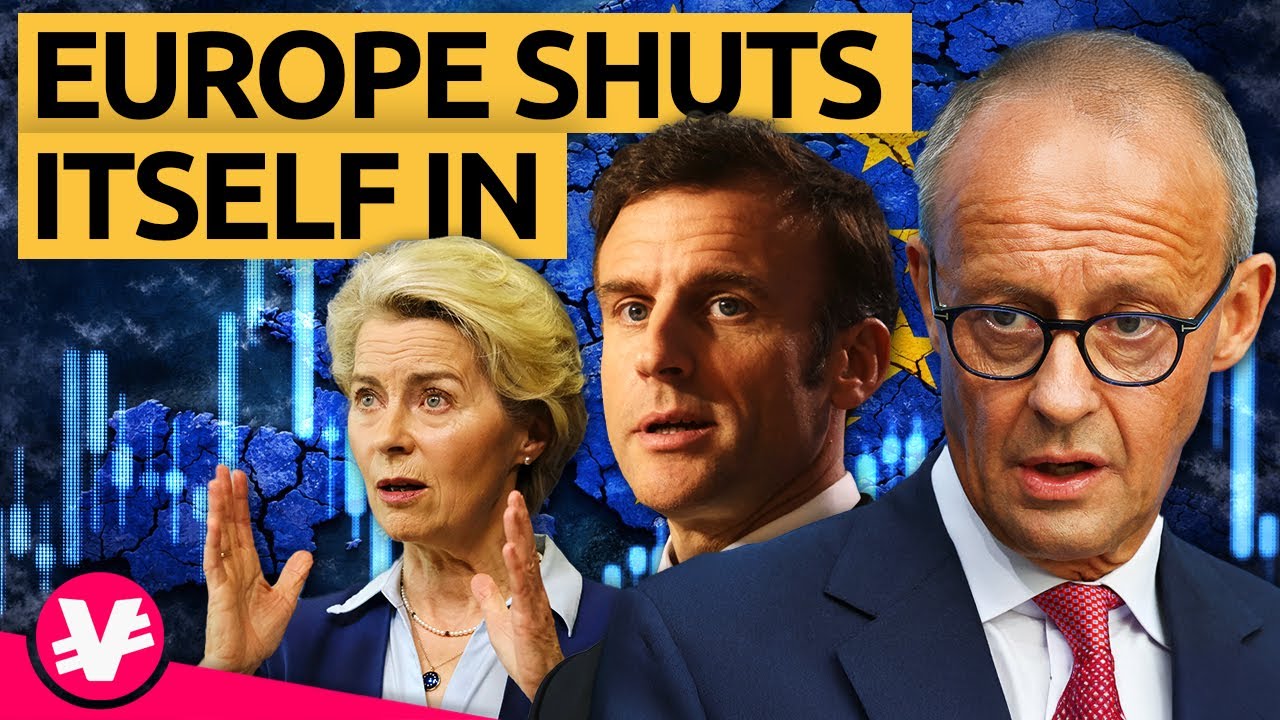
EU misstep on mercosur Deal
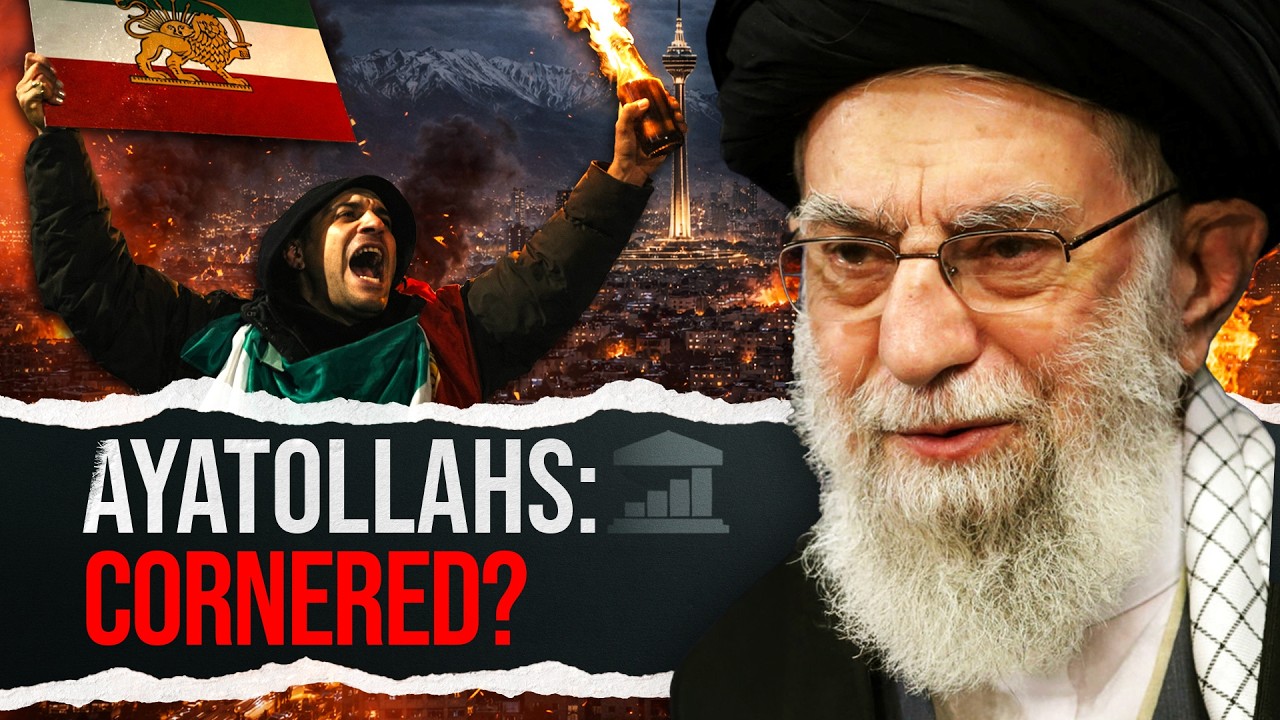
Power at the Heart of Iran
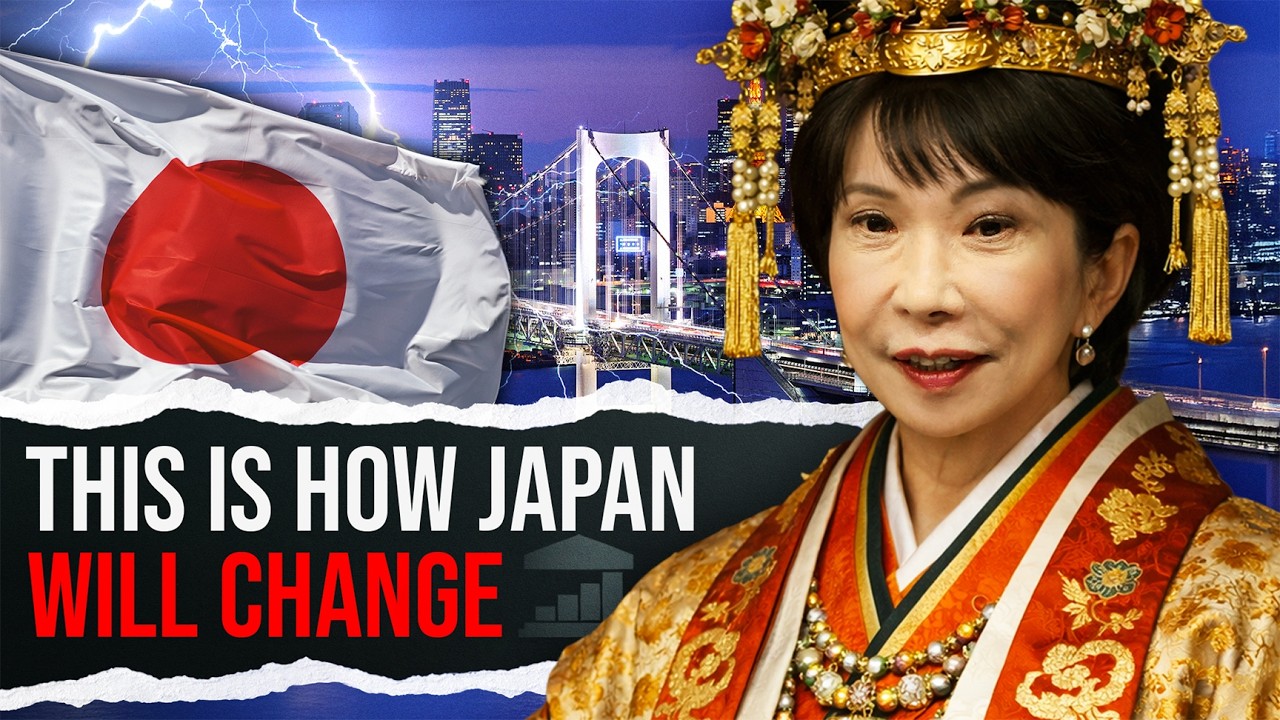
Japan’s right‑turn triumph