-
 NASA unveils new space telescope to give 'atlas of the universe'
-
Trump extends ceasefire, claims Iran 'collapsing financially'
-
 The tiny, defiant Nile island caught in the heart of Sudan's war
-
UK inflation jumps as Mideast war propels energy prices

-
 Oil, stocks mixed as traders weigh outlook after Trump extends truce
-
Anthropic probes unauthorized access to Mythos AI model

-
 Stadium that was symbol of NZ post-quake rebuild to hold first match
-
Blazers stun Spurs after Wemby injury, Lakers down Rockets

-
 Chinese carmakers aim to build up presence in Europe
-
Maoist landmine legacy haunts India
-
 Fiji villagers reject plan for 'Pacific ashtray' in beach paradise
-
India orders school water bells to beat heat
-
 Japanese minnows one win from fairytale Champions League title
-
Rugby Australia eyes brighter future as Lions tour brings cash windfall

-
 Blazers rally stuns Spurs after Wembanyama injury
-
Young Chinese use AI to launch one-person firms over job anxiety

-
 Delicate extraction: Malaysia offers rare earths alternative to China
-
Oil, stocks fall as traders weigh outlook after Trump extends truce

-
 Pope to visit prison on final leg of Africa tour
-
US military says key weapons system staying in South Korea
-
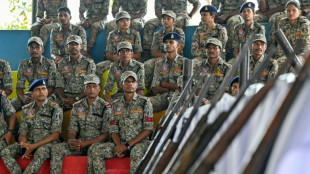 India strangles final Maoist bastion as mining looms
-
AI-powered robots offer new hope to German factories

-
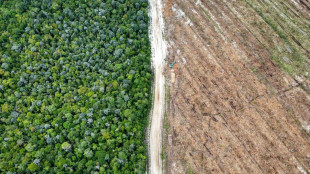 Indonesia orangutan forest cleared for 'carbon-neutral' packaging firm
-
PGA Tour mulls pathway back for golfers as LIV plots survival

-
 One month phone-free: Young Americans try digital detox
-
Questions about Tesla spending binge ahead of earnings
-
 Rome summons Russian ambassador over insults against Meloni
-
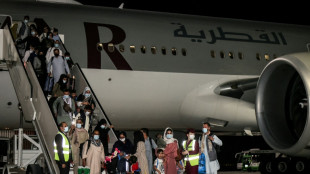
US tells Afghans to choose Taliban home or DR Congo: activist
-
 John Ternus to lead Apple in the age of AI
-
SpaceX partners with AI startup Cursor, may buy it for $60 bn

-
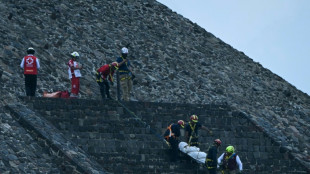 Mexico pyramid shooter inspired by Columbine attack, pre-Hispanic sacrifices
-
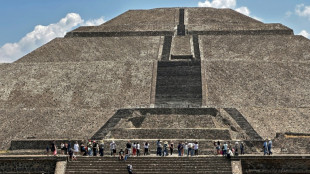
Mexico pyramid shooter planned attack, fixated on US massacre
-
 Mbappe on the mark as Real Madrid sink Alaves
-
Rosenior blasts Chelsea flops after 'unacceptable' Brighton defeat

-
 Inter roar back to beat Como and reach Italian Cup final
-
Lens sweep past Toulouse to reach French Cup final

-
 Brighton crush Chelsea to pile pressure on under-fire Rosenior
-
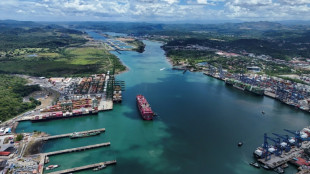
Strait of Hormuz blockade drives up costs at Panama Canal
-
 Trump extends ceasefire, says giving Iran time to negotiate
-
Michelle Bachelet hopes the world is ready for a female UN chief

-
 Nowitzki, Bird among eight inductees into FIBA Hall of Fame
-
Stocks fall, oil climbs amid uncertainty over US-Iran talks

-
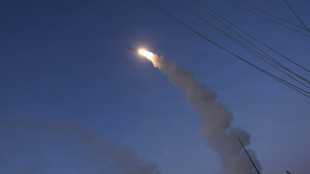 Iran war means more orders for US defense giants
-
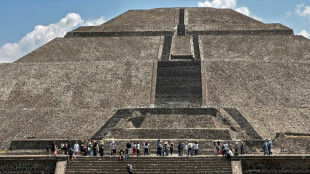
Mexico pyramid shooting was planned attack, officials say
-
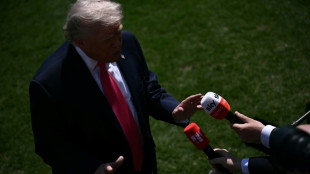 Trump's messaging on Iran grows increasingly erratic
-
Churchill Downs buys Preakness for $85 million

-
 Unregulated AI like speeding with no steering wheel: AI godfather Hinton
-
Tourists return to Rio viewpoint after shootout scare

-
 Maradona's daughter slams 'manipulation' of family by his doctors
-
Abhishek's 135 powers Hyderabad to third straight IPL win

Ishiba's Plan to Change Power in Asia
Is Japan Preparing for War? Ishiba's Vision to Redefine Power in Asia
In a world where geopolitical tensions are intensifying, Japan finds itself at a crossroads. At the centre of this discussion is Shigeru Ishiba, a prominent Japanese politician and former defence minister, whose bold proposals to reshape Japan's security policies are sparking widespread debate. Is Japan merely safeguarding its sovereignty, or is it actively preparing for conflict?
A Paradigm Shift in Japanese Defence
Since the end of World War II, Japan has adhered strictly to its pacifist constitution, particularly Article 9, which renounces the use of war as a means of settling international disputes. However, as global power dynamics evolve and regional threats grow, Ishiba and other leaders argue that Japan must modernise its approach to defence.
Ishiba has proposed a significant expansion of Japan’s military capabilities, including increased defence spending, the development of advanced technologies such as missile defence systems, and a shift towards a proactive deterrence strategy. These measures, he asserts, are necessary to counter the rising influence of China and North Korea's nuclear threat.
The Strategic Context: Asia in Flux
Japan’s strategic positioning in Asia has long been a delicate balancing act. With China's growing assertiveness in the South China Sea, Taiwan Strait, and East China Sea, Ishiba’s call for a stronger Japanese military aims to counterbalance Beijing’s influence. North Korea’s missile tests and unpredictable behaviour further exacerbate the urgency for a robust Japanese defence policy.
Ishiba’s proposals align with the broader trend of Indo-Pacific nations strengthening security alliances, including Japan's growing collaboration with the United States, Australia, and India under the Quadrilateral Security Dialogue (Quad). These partnerships are seen as essential to maintaining regional stability and ensuring a free and open Indo-Pacific.
Domestic and International Reactions
Domestically, Ishiba’s vision has faced both support and opposition. Proponents argue that his policies are pragmatic and essential for Japan’s survival in an increasingly volatile region. Critics, however, worry that such moves could escalate tensions and provoke adversaries. The debate also revives questions about the reinterpretation of Japan’s pacifist constitution and its implications for national identity.
On the international stage, Ishiba’s stance has drawn mixed reactions. Allies like the United States welcome Japan’s increased commitment to regional security, while China and North Korea view these developments as provocative and destabilising.
Preparing for Conflict or Preserving Peace?
Ishiba has repeatedly emphasised that his aim is not to prepare for war but to prevent it. He argues that a strong deterrent capability is the best way to avoid conflict and maintain peace in the region. However, critics contend that expanding Japan's military footprint could trigger an arms race and inadvertently increase the likelihood of confrontation.
The Road Ahead
As Japan navigates these turbulent waters, Ishiba’s vision represents a pivotal moment in the country’s post-war history. Whether his proposals will redefine Japan’s role in Asia or exacerbate regional tensions remains to be seen. What is certain, however, is that Japan’s future decisions will have profound implications not only for its own security but for the broader balance of power in Asia.
As the world watches, the question remains: Is Japan preparing for war, or is it merely adapting to a new era of uncertainty? In answering this question, the nation must grapple with the delicate balance between safeguarding its future and upholding the ideals that have defined its modern identity.

Next Generation EU a scam?

Can Poland Rescue Europe?

Finance’s Role in Economic Ruin

Trump’s Tariffs Spark Global Fear

Georgia Slips into Russia’s Grasp

Trump’s Ukraine Economic Colony Plan Stirs Debate
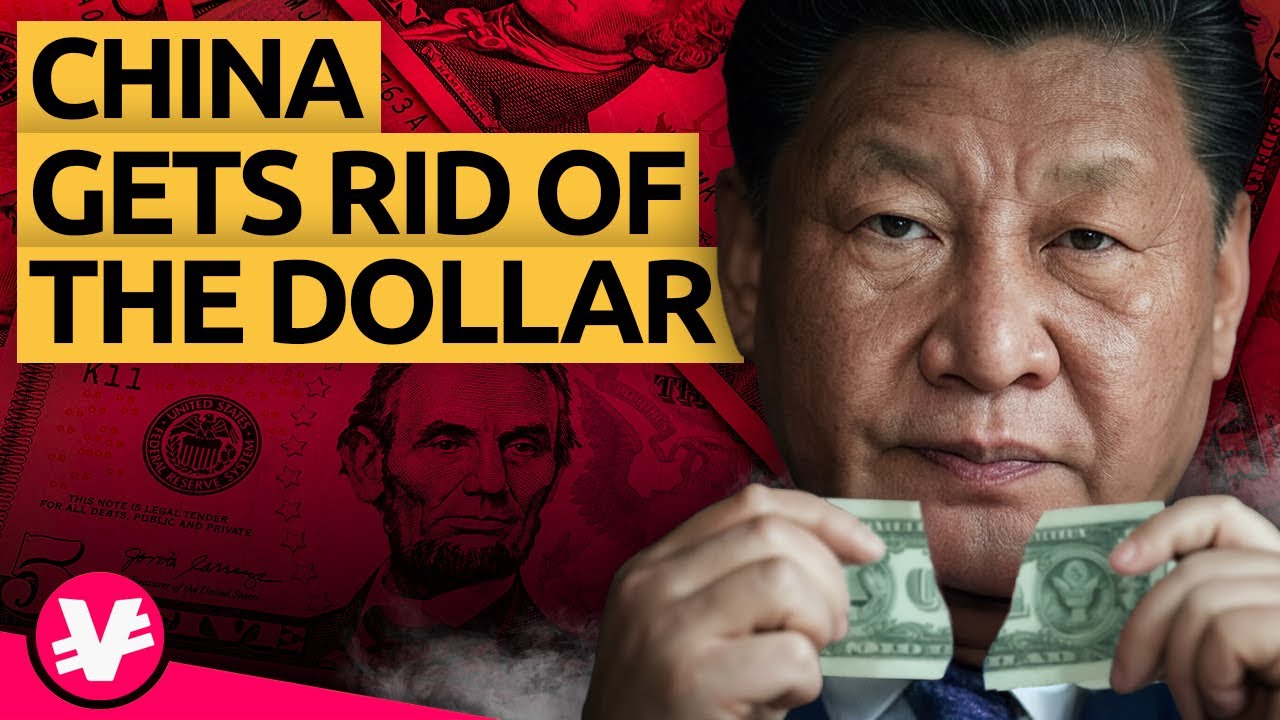
China Targets Dollar at US Critical Moment

EU Pledges €800 Billion for Defence to Deter Russia

Israel escalates War to crush Hamas
Trump, Putin and the question: What now?
Canada challenges Trump on Tariffs