-
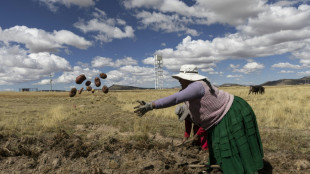 In Peru's highlands, hopelessness shapes a bitter presidential runoff
-
Tim Berners-Lee calls for AI to preserve 'original values' of web

-
 China bans New Zealand lawmakers over Taiwan trip
-
South Korean adoptees sue Denmark over right to know birth families

-
 Show must go on for ballerinas in crisis-hit Cuba
-
NBA 'on schedule' with Europe league plans: Silver

-
 Plan to merge BBL's Melbourne teams sparks 'anxiety' for players
-
World Cup fans barred from bringing water bottles into stadia

-
 Israel, Lebanon agree to conditional ceasefire
-
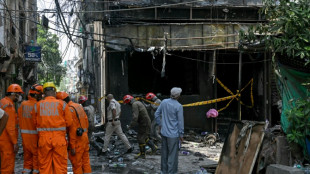
New Delhi hotel blaze kills 21, including foreigners
-
 Bayeux Tapestry to be moved in secret to British Museum: minister
-
Meta lashes Australia's bid to make tech giants pay for news

-
 NZ football star meets influencer behind viral fame
-
'Thank you, Football' - quarterback Russell Wilson confirms move to broadcasting

-
 Meta lashes Australia bid to make tech giants pay for news
-
NASA ends mission after loss of Mars probe

-
 SpaceX aims to raise record $75 bn in stock market debut
-
Algeria sucker-punch Netherlands in World Cup warm up

-
 Iran FM says 'no tangible progress' in talks but Trump says deal close
-
DRC cheered on by 23,000 fans in World Cup warm-up

-
 New York turns blue and orange as Knicks fever grips city
-
Javier Bardem terrifies Amy Adams in TV adaptation of 'Cape Fear'

-
 Arnaldi into French Open semis as Berrettini retires injured
-
Cuba has 'technocrats' willing to negotiate, Rubio says

-
 Authorities warn of World Cup ticket, merchandise scams
-
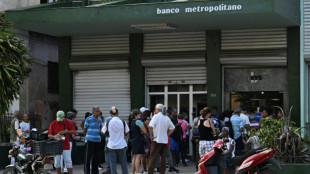
US sanctions interrupt Visa, Mastercard payments in Cuba
-
 Cobolli sinks Auger-Aliassime to book French Open semi spot
-
Police probe alleged assault on coach of Australian tennis player in Birmingham

-
 France's Saliba 'fine' after injury scare, says Deschamps
-
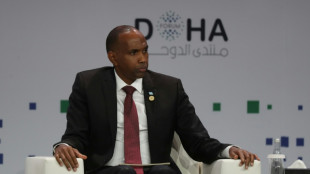
Somalia ex-PM says attacked by govt forces in Mogadishu
-
 Ukraine drone strikes causing 'panic' for Kremlin: EU's Kallas to AFP
-
Rubio brushes off Trump mental acuity concerns as 'absurd'

-
 Ukraine's Kostyuk takes on Russian Andreeva in French Open semis
-
German director Wenders pulls 1975 film over child nude scene

-
 McIlroy chasing elusive Memorial, Scheffler eyes three-peat
-
Sabalenka implodes as Shnaider books French Open semi with Chwalinska

-
 Sabalenka fell into 'dark hole' during French Open loss
-
Ukrainian drones hit Saint Petersburg as 'Russian Davos' opens

-
 Stokes defends Archer's England absence due to IPL duties
-
UN urges AI firms to reveal environmental footprint
-
 Sabalenka crumbles to French Open quarter-final defeat by Shnaider
-
Henry fit to lead New Zealand's attack at Lord's

-
 Yamal, Williams should be fit for World Cup opener: De la Fuente
-
UK PM slams violence over police handcuffing of dying student

-
 EU wants to favour European firms for AI, cloud in sovereignty push
-
England captain Stokes defends Archer's IPL-enforced absence from Test side

-
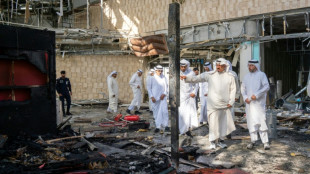
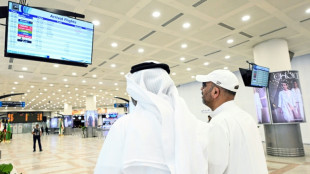 Deadly drone strike on Kuwait airport as Iran, US trade fire
-
EU eases spending rules to tackle energy shock

-
 Polish qualifier Chwalinska reaches French Open semi-finals
-
Romania wants to boost air defence after drone strike blamed on Russia

Asylum seekers: Return centres – a Solution?
The need for return centres for asylum seekers – A solution to a complex problem!
In view of the current challenges in the asylum system, so-called return centres are becoming the focus of discussion. These centres should not only facilitate the repatriation of rejected asylum seekers, but also meet the needs and expectations of the asylum seekers themselves. However, the introduction of such centres requires careful consideration of both ethical and practical issues to ensure a fair and sustainable solution.
Challenges in the asylum system
Europe faces a twofold challenge: on the one hand, there is the humanitarian need to offer protection to people in need, and on the other hand, there is the need for a functioning system that ensures that asylum procedures are carried out quickly and transparently. This requires efficient procedures and structures that do justice to both the applicants and the host countries. An important instrument could be the establishment of return centres. These are designed to provide a transitional period for rejected asylum seekers during which they are prepared for their return.
What are return centres?
Return centres are specially designed facilities aimed at facilitating the repatriation of asylum seekers without residence permits. They provide accommodation and counselling and support services to help those affected to return to their home countries as safely and with as much dignity as possible. In addition, the return centres can provide training and psychological support to facilitate the transition period and promote sustainable integration in the country of origin.
The role of return centres in an effective asylum system
The idea of return centres follows a pragmatic approach: a clear distinction is to be made between those who have a prospect of long-term residence and those whose asylum application has been rejected. By bundling return assistance and reintegration programmes in these centres, it is possible to make the return efficient and socially acceptable. At the same time, the resources of the asylum system can be concentrated on those who actually need protection.
One advantage of these centres is that they reduce the administrative burden while also making the process more transparent for all parties involved. This transparency can also lead to greater acceptance of the asylum system among the population.
Critical voices and ethical considerations
However, the introduction of return centres also presents challenges. Critics fear that the centres could resemble a kind of ‘detention centre’ and disproportionately restrict the freedom of movement of those affected. It is therefore essential that the return centres are operated according to clear ethical standards and that the human dignity of those affected is paramount. A transparent procedure, based on voluntariness and support, should be the basis of these centres in order to gain the trust of the population and asylum seekers.
Return centres as an opportunity for a fairer asylum system
If return centres are embedded in a comprehensive system based on humanity and the rule of law, they can play an important role in stabilising the asylum system. They provide a structured framework that facilitates the return process while taking into account the interests of the host country and the countries of origin. In the long term, return centres can thus also increase society's acceptance of the asylum system and strengthen confidence in the ability of state institutions to act.
Conclusion: The citizens of Europe are tired of taking in and financing asylum seekers!
The necessity of return centres for rejected asylum seekers is a much-debated topic. Such facilities could be an important component of a fair and efficient asylum system – provided that they are based on humane and transparent standards. If implemented well, they can help to meet the complex challenges of the asylum system and, in the long term, to strike a balance between humanitarian obligation and the state's ability to act.

Iran lifts Dollar, sinks Euro

Hormuz Shock Risk rising

Brazil's trade-war boom

Iran's revenge rewired

Cuba's golden Goose dies

Mexico after El Mencho falls

Nicaragua on the brink?

Cuba: The Regime's last Card

Strike fears rise over Iran

U.S. Jobs stall, gdp slows

Japan’s right‑turn triumph