-
 Zverev heads up final four in men's French Open semis
-
What we know about Kushner's project in Albania
-
 Iran leader says dealt enemies 'decisive blow' in Mideast war
-
City weigh legal action after Real Madrid presidential hopeful targets Haaland

-
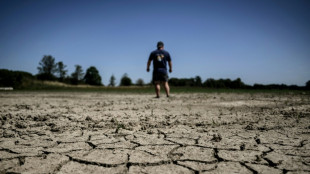 French pair propose new term to define 'environment'
-
'Persepolis' author Marjane Satrapi dies aged 56

-
 SpaceX seeks a record $75 bn in stock market debut
-
Israel strikes Lebanon after truce announcement

-
 Somalia capital rocked by gunfire and fighting overnight
-
South Korea ruling party fails to flip Seoul in blemish on local poll results
-
 South Africa's closed white enclave attracting Afrikaner youth
-
Nigerian museum revamp brings treasures within reach

-
 Nepali climber alive after six days missing on Everest
-
South Korea's ruling party fails to flip Seoul in blemish to local polls showing
-
 Brunson vows no let up after Knicks comeback sinks Spurs
-
From poplars to pistachios, Afghans rediscover the value of trees

-
 South Korea edge El Salvador 1-0 in final World Cup warm-up
-
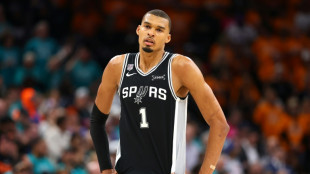
Wembanyama 'not worried' after Knicks stun Spurs in finals opener
-
 Knicks rally to beat Spurs in NBA Finals game-one thriller
-
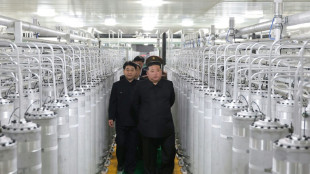
N. Korea's Kim vows 'exponential' boost in nuclear forces
-
 Overtaken by Hong Kong in global wealth management, Swiss keep cool
-
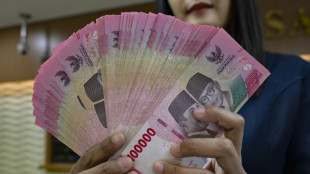
Indonesian rupiah falls to record low against US dollar
-
 Stocks drop on AI, rate hike worries as Lebanon deal hits oil
-
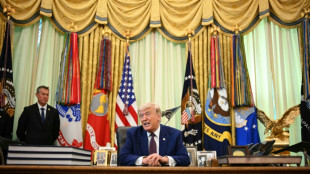
US House votes to curb Trump on Iran war as talks stall
-
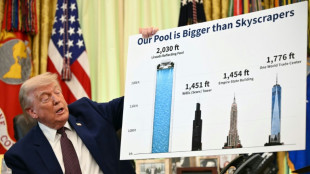 'Our pool is bigger than skyscrapers': Amid war, Trump touts Washington projects
-
Ferrari tipped to end Antonelli's winning run
-
 "I am from Bosnia" -- Bosnia's first World Cup success
-
Brumbies battle the odds in Super Rugby playoff against Hurricanes

-
 Morocco's dual-national scouting policy pays rich dividends
-
Favourites keep apart in lead up to Tour de France

-
 Ukraine strike kills 3 in Russian-occupied Crimea
-
Fiji rejects Australian billionaire's 'Pacific ashtray' plan to ship, burn waste
-
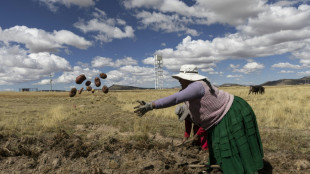 In Peru's highlands, hopelessness shapes a bitter presidential runoff
-
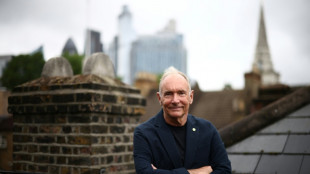
Tim Berners-Lee calls for AI to preserve 'original values' of web
-
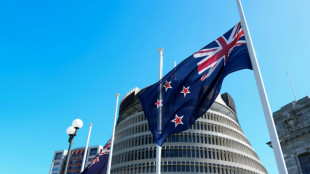 China bans New Zealand lawmakers over Taiwan trip
-
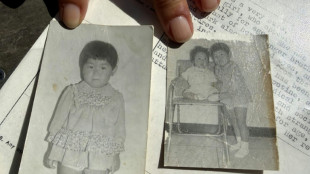
South Korean adoptees sue Denmark over right to know birth families
-
 Show must go on for ballerinas in crisis-hit Cuba
-
NBA 'on schedule' with Europe league plans: Silver

-
 Plan to merge BBL's Melbourne teams sparks 'anxiety' for players
-
World Cup fans barred from bringing water bottles into stadia
-
 Israel, Lebanon agree to conditional ceasefire
-
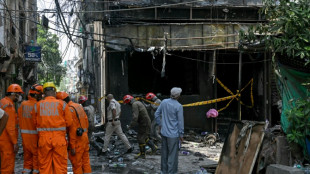
New Delhi hotel blaze kills 21, including foreigners
-
 Bayeux Tapestry to be moved in secret to British Museum: minister
-
Meta lashes Australia's bid to make tech giants pay for news
-
 NZ football star meets influencer behind viral fame
-
'Thank you, Football' - quarterback Russell Wilson confirms move to broadcasting

-
 Meta lashes Australia bid to make tech giants pay for news
-
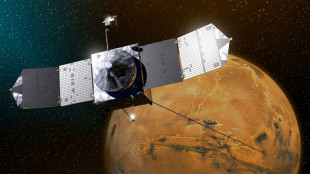
NASA ends mission after loss of Mars probe
-
 SpaceX aims to raise record $75 bn in stock market debut
-
Algeria sucker-punch Netherlands in World Cup warm up

EU: Overcoming barriers to equality
The need to overcome barriers to equality in the EU and worldwide!
In a globalised world characterised by progress and innovation, equality remains one of the greatest challenges of our time. Despite numerous efforts, significant barriers that disadvantage people based on their gender, origin, religion, sexual orientation or other characteristics remain. It is essential for society in the European Union and worldwide to overcome these barriers to ensure a fairer and more prosperous future.
Equality as a cornerstone of democracy
Equality for all is a fundamental principle of democratic societies. It forms the basis for social justice and respect for human rights. In the European Union, equality is not only a moral imperative, but also enshrined in law. Nevertheless, statistics show that discrimination and inequality persist. For example, women in the EU earn on average 14.1% less than men, and minorities often face prejudice and disadvantage.
The economic benefits of equality
Overcoming barriers to equality is not only an ethical obligation, but also brings significant economic benefits. Studies have shown that countries with higher equality tend to have stronger economic growth. An inclusive labour market, where all talents are used regardless of gender or origin, leads to more innovation and productivity. In addition, equality reduces the costs arising from social tensions and inequalities.
Promoting social cohesion and peace
Inequality can lead to social unrest, conflict and instability. By removing barriers to equality, social cohesion is strengthened. A society in which all members have equal rights and opportunities is more resilient to extremism and intolerance. This is particularly important in a world facing global challenges such as migration, climate change and pandemics.
Identify and remove barriers
The barriers to equality are many and often deeply rooted in cultural norms and institutional structures. They include, among other things:
- Discriminatory laws: Some countries still have laws that disadvantage certain groups.
- Prejudices and stereotypes: Social attitudes can lead to people being discriminated against because of their gender, skin colour or other characteristics.
- Access to education and resources: Unequal access to education, healthcare and financial resources widens the gap between different social groups.
- Violence and harassment: Physical and psychological violence against certain groups is a significant barrier to equality.
Measures to promote equality - Overcoming these barriers requires a coordinated effort at various levels
- Political reforms: Governments need to enact and enforce laws that prohibit discrimination and promote equality.
- Education and awareness: Educational programmes can reduce prejudice and create awareness of the importance of equality.
- Economic empowerment: Initiatives to support disadvantaged groups in accessing the labour market and financial resources are crucial.
- International cooperation: Global challenges require global solutions. The EU can take a leading role here and share best practices.
Conclusion:
Overcoming obstacles to equality is of central importance for a just, peaceful and prosperous society. It is the shared responsibility of governments, institutions, companies and each individual to actively participate in this change. Only through consistent efforts can we create a world in which all people enjoy the same opportunities and rights – for the benefit of the European Union and the entire global community.
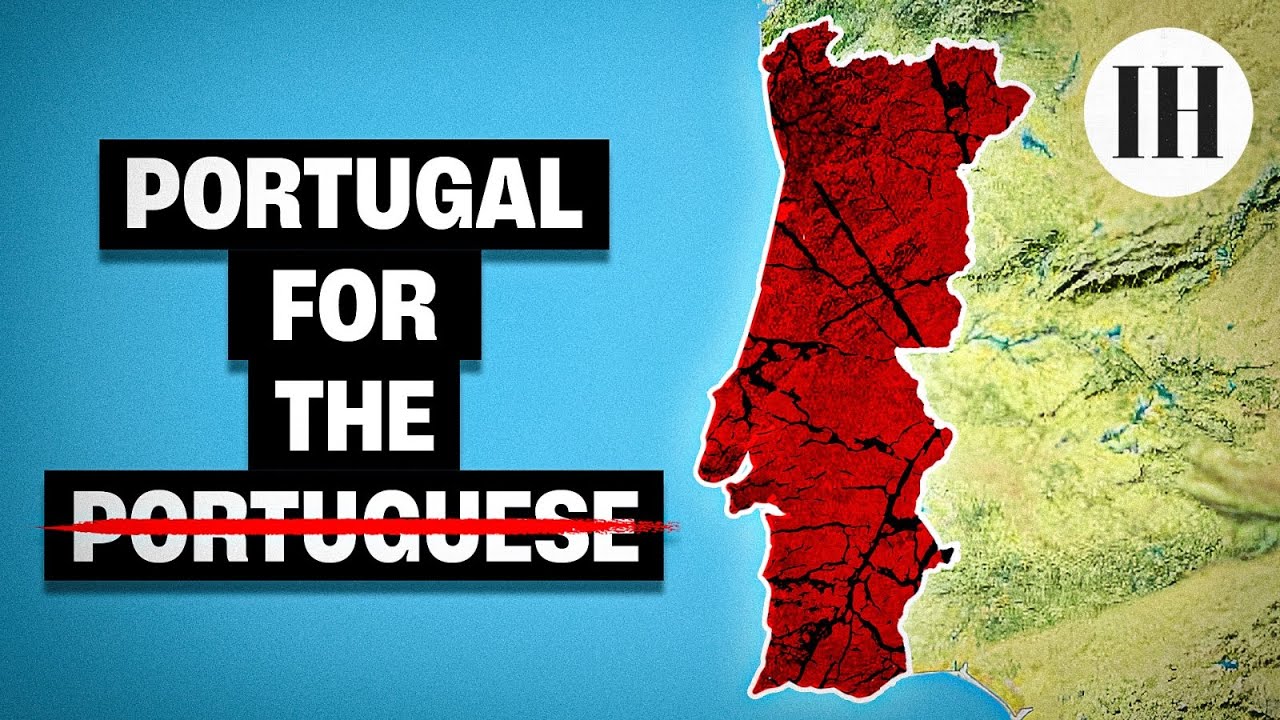
Portugal: Living Costs Soar
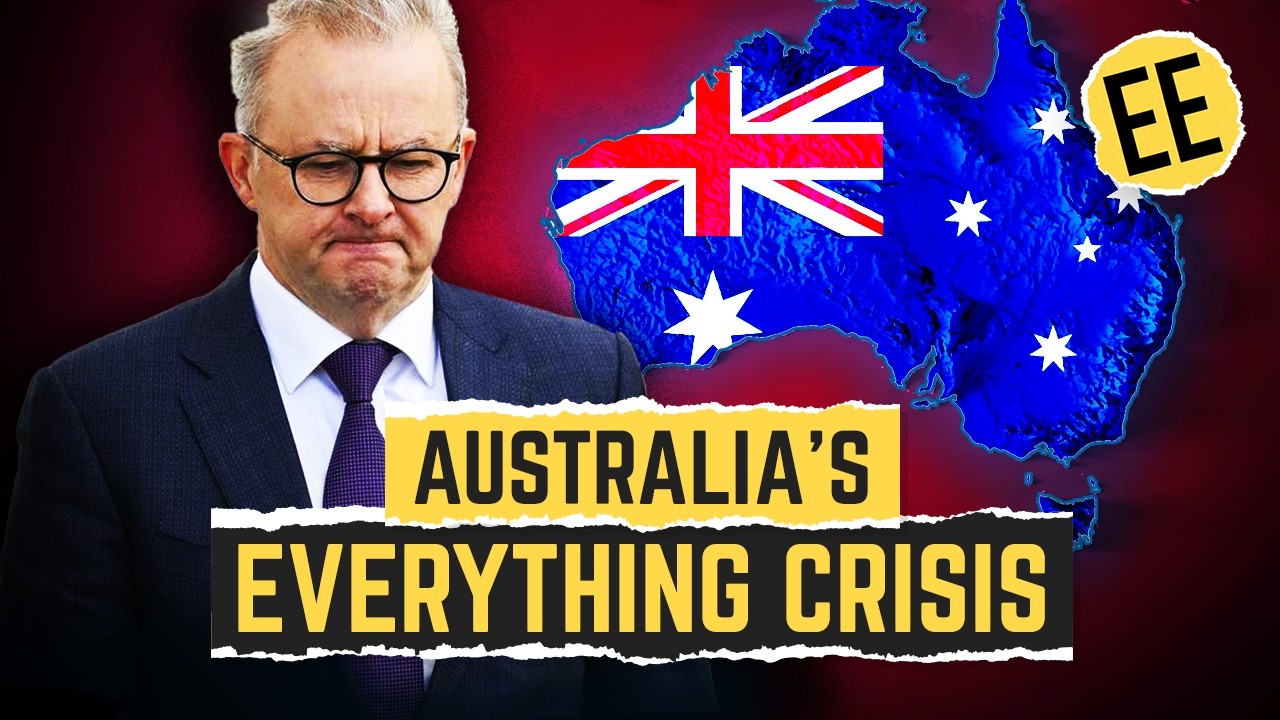
Is Australia’s Economy Doomed?
DOGE Fails to Slash U.S. Spending
Slovenia’s Economic Triumph
Next Generation EU a scam?
Can Poland Rescue Europe?
Finance’s Role in Economic Ruin
Trump’s Tariffs Spark Global Fear
Georgia Slips into Russia’s Grasp
Trump’s Ukraine Economic Colony Plan Stirs Debate
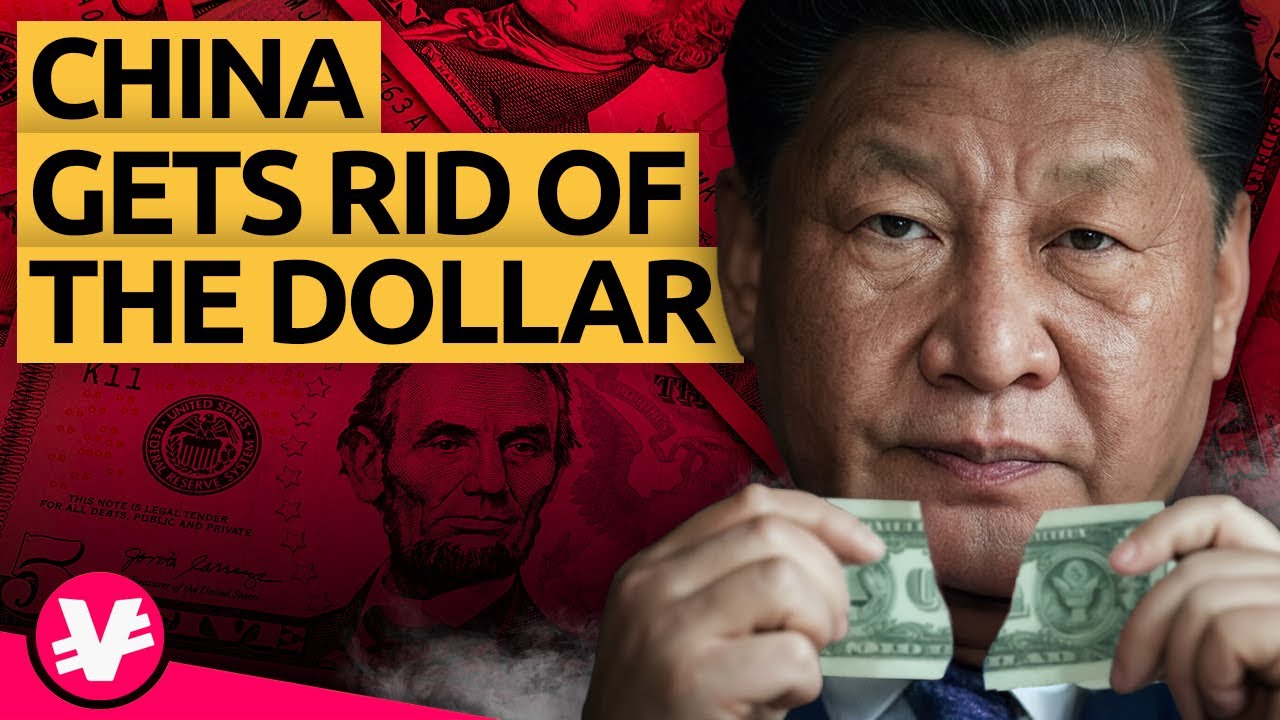
China Targets Dollar at US Critical Moment