-
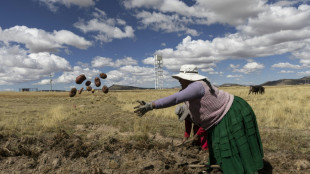 In Peru's highlands, hopelessness shapes a bitter presidential runoff
-
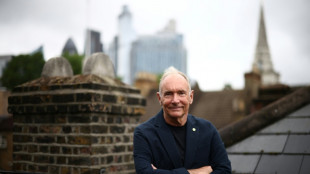
Tim Berners-Lee calls for AI to preserve 'original values' of web
-
 China bans New Zealand lawmakers over Taiwan trip
-
South Korean adoptees sue Denmark over right to know birth families

-
 Show must go on for ballerinas in crisis-hit Cuba
-
NBA 'on schedule' with Europe league plans: Silver

-
 Plan to merge BBL's Melbourne teams sparks 'anxiety' for players
-
World Cup fans barred from bringing water bottles into stadia

-
 Israel, Lebanon agree to conditional ceasefire
-
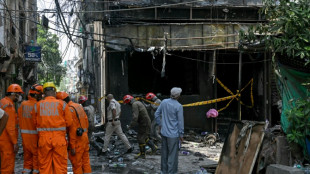
New Delhi hotel blaze kills 21, including foreigners
-
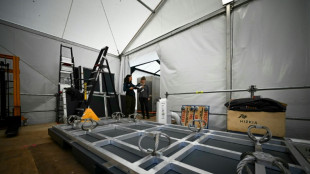 Bayeux Tapestry to be moved in secret to British Museum: minister
-
Meta lashes Australia's bid to make tech giants pay for news

-
 NZ football star meets influencer behind viral fame
-
'Thank you, Football' - quarterback Russell Wilson confirms move to broadcasting

-
 Meta lashes Australia bid to make tech giants pay for news
-
NASA ends mission after loss of Mars probe

-
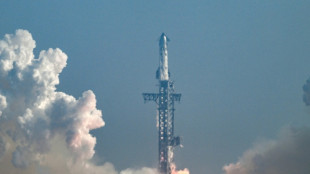 SpaceX aims to raise record $75 bn in stock market debut
-
Algeria sucker-punch Netherlands in World Cup warm up

-
 Iran FM says 'no tangible progress' in talks but Trump says deal close
-
DRC cheered on by 23,000 fans in World Cup warm-up

-
 New York turns blue and orange as Knicks fever grips city
-
Javier Bardem terrifies Amy Adams in TV adaptation of 'Cape Fear'

-
 Arnaldi into French Open semis as Berrettini retires injured
-
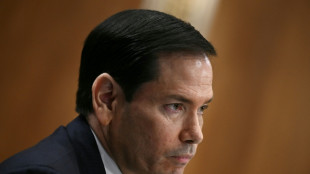
Cuba has 'technocrats' willing to negotiate, Rubio says
-
 Authorities warn of World Cup ticket, merchandise scams
-
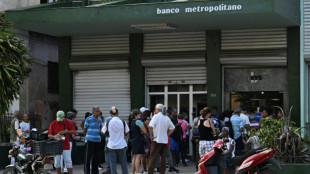
US sanctions interrupt Visa, Mastercard payments in Cuba
-
 Cobolli sinks Auger-Aliassime to book French Open semi spot
-
Police probe alleged assault on coach of Australian tennis player in Birmingham

-
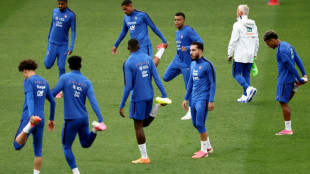 France's Saliba 'fine' after injury scare, says Deschamps
-
Somalia ex-PM says attacked by govt forces in Mogadishu
-
 Ukraine drone strikes causing 'panic' for Kremlin: EU's Kallas to AFP
-
Rubio brushes off Trump mental acuity concerns as 'absurd'

-
 Ukraine's Kostyuk takes on Russian Andreeva in French Open semis
-
German director Wenders pulls 1975 film over child nude scene

-
 McIlroy chasing elusive Memorial, Scheffler eyes three-peat
-
Sabalenka implodes as Shnaider books French Open semi with Chwalinska

-
 Sabalenka fell into 'dark hole' during French Open loss
-
Ukrainian drones hit Saint Petersburg as 'Russian Davos' opens
-
 Stokes defends Archer's England absence due to IPL duties
-
UN urges AI firms to reveal environmental footprint
-
 Sabalenka crumbles to French Open quarter-final defeat by Shnaider
-
Henry fit to lead New Zealand's attack at Lord's

-
 Yamal, Williams should be fit for World Cup opener: De la Fuente
-
UK PM slams violence over police handcuffing of dying student

-
 EU wants to favour European firms for AI, cloud in sovereignty push
-
England captain Stokes defends Archer's IPL-enforced absence from Test side

-
 Deadly drone strike on Kuwait airport as Iran, US trade fire
-
EU eases spending rules to tackle energy shock

-
 Polish qualifier Chwalinska reaches French Open semi-finals
-
Romania wants to boost air defence after drone strike blamed on Russia

Germany and its outdated pension system
Germany must reform its pension system!
In the midst of an ageing society and changing labour markets, the Federal Republic of Germany is facing one of its greatest socio-political challenges: the urgent need to reform its pension system. Without timely and well-thought-out adjustments, there is a risk of financial bottlenecks and social injustices that could endanger the stability of the social system.
Demographic change as the main driver
Demographic change is indisputably the main factor putting pressure on the German pension system. The birth rate has been low for decades, while life expectancy continues to rise. This trend is leading to an ever-widening imbalance between contributors and pension recipients. According to forecasts, by 2035 almost one in three Germans will be over 65 years old. This ratio calls into question the financial viability of the pay-as-you-go pension system.
Financial sustainability at risk
The growing number of pensioners means higher expenditure for the pension funds, while income from contributions could stagnate or even fall. Without reforms, either contributions would have to be increased significantly or pension benefits cut – both scenarios that could cause social tensions. In addition, the burden on the federal budget is growing, as it already provides significant subsidies for pension insurance.
Changes in the world of work
Digitalisation and globalisation have fundamentally changed the world of work. Permanent full-time jobs are becoming rarer, while part-time jobs, solo self-employment and fixed-term contracts are on the rise. These forms of employment often lead to lower pension entitlements and increase the risk of poverty in old age. The current pension system is not sufficiently prepared for these new realities.
Intergenerational justice
Without adjustments, future generations could face a disproportionate burden. Today's young workers are financing the pensions of today's pensioners, while it is unclear whether they themselves can count on a comparable level of pensions in old age. Reform is therefore also a matter of intergenerational fairness.
Necessary reform approaches
- Increasing the retirement age
A gradual increase in the retirement age, adjusted for rising life expectancy, could relieve the pension funds. Strengthening private and occupational pension provision: Additional pension provision could be encouraged through tax incentives and information campaigns.
- Making retirement more flexible
More individual models could enable employees to retire earlier or later depending on their life situation. Integrating new forms of employment: Adjustments are needed to provide better protection for the self-employed and those in atypical employment.
- Promoting female employment
By making it easier to reconcile family and career, the employment rate can be increased, thereby attracting more contributors.
Conclusion:
Reforming the pension system is no easy task and requires courageous political decisions and a broad social consensus. However, it is indispensable to ensure financial stability and social justice in Germany. Now is the time to act in order to guarantee future generations a reliable and fair pension system.

Al-Qaida’s growing ambitions

Argentina's radical Shift

Hidden Cartel crisis in USA

New York’s lost Luster
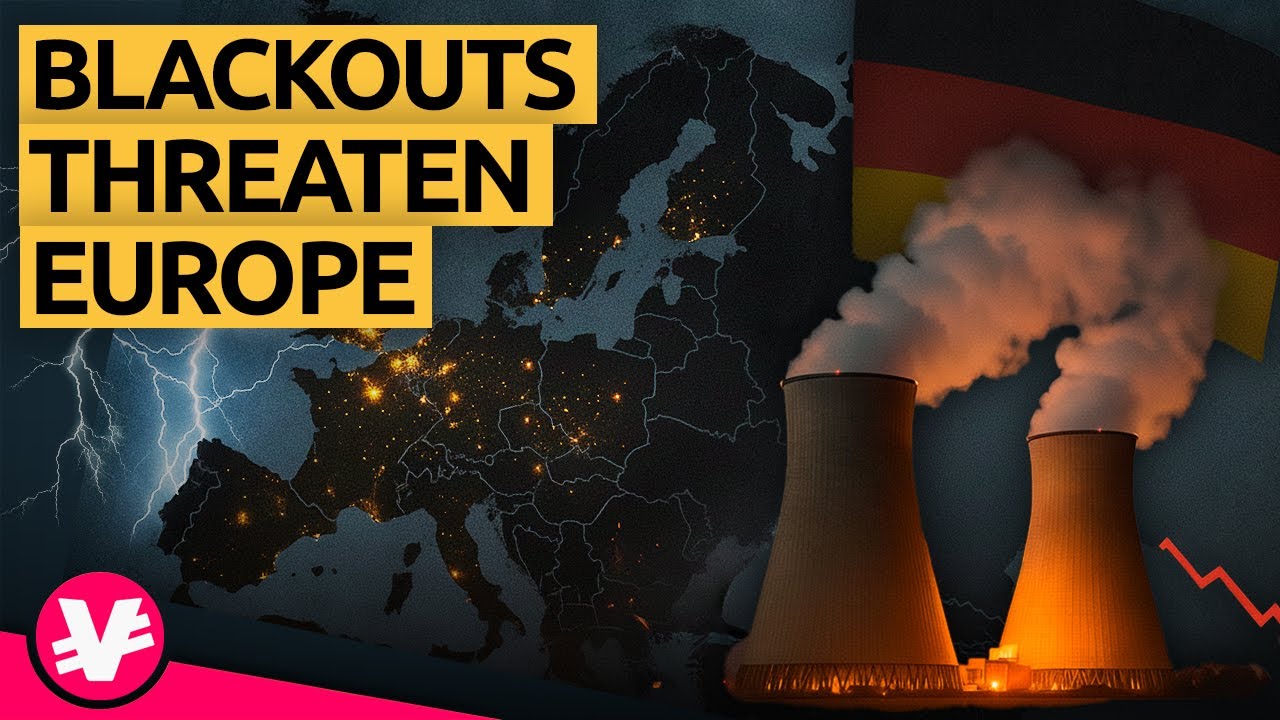
Europe’s power shock

Australian economy Crisis

Israel’s Haredi Challenge

Miracle in Germany: VW soars

Pension crisis engulfs France
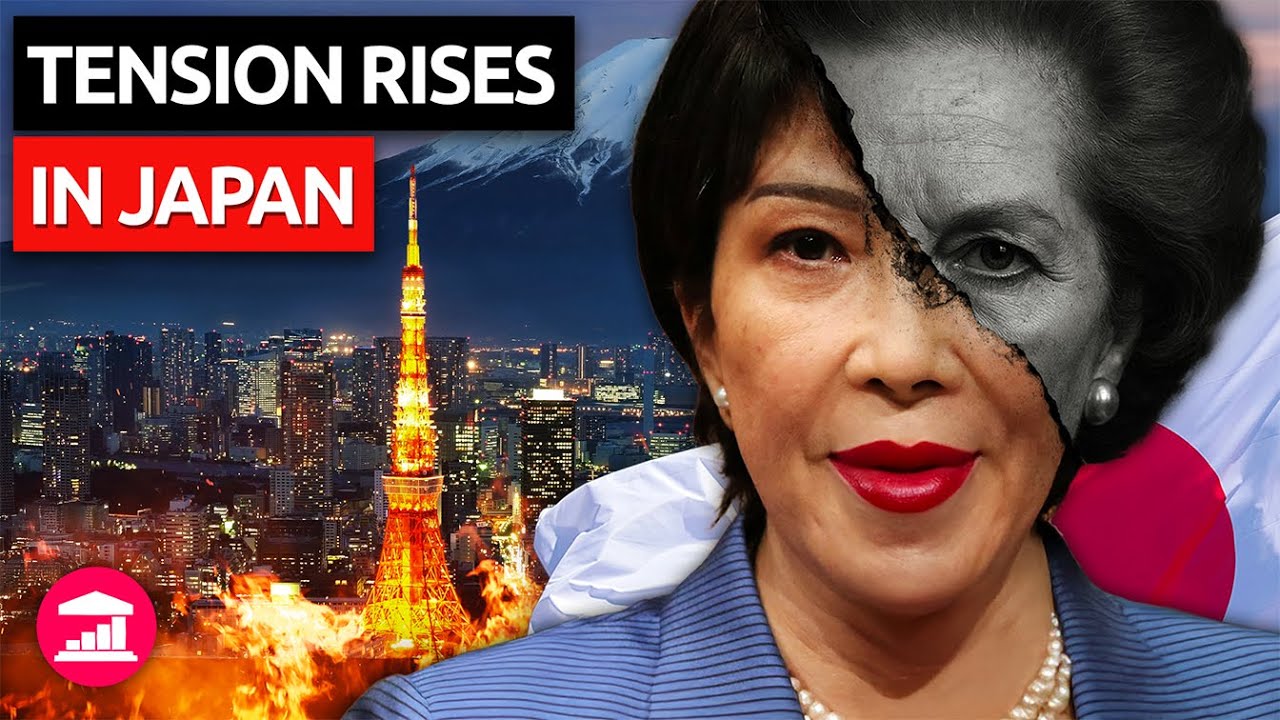
A new vision for Japan

The Fall of South Korea?