
-
 St. Louis City's unbeaten MLS run ends at 19, Union's reaches 15
-
Williams lifts Valkyries past Dream in WNBA Finals opener

-
 NFL Eagles bench Hurts at least a month with blood clot
-
Dubois destroys Wardley to retain WBO heavyweight crown

-
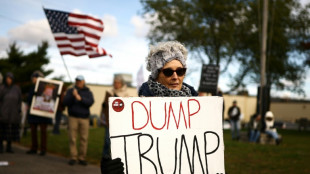 Across US, 'No Kings' events seek to boost early voting
-
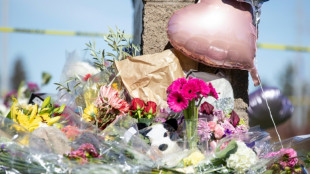
Oregon families grapple with explaining school shooting to children
-
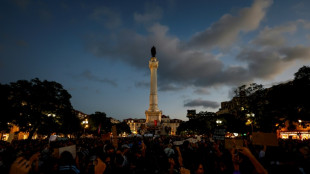 Tents spring up in Lisbon as Portugal housing protests spread
-
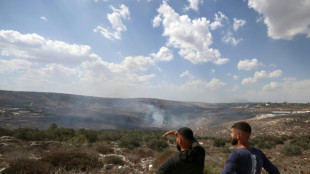
Israeli settlers attack European diplomats, beat French mayor
-
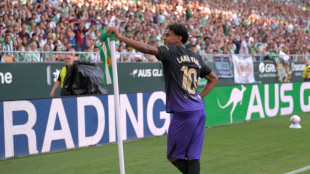 'Best in world' Yamal powers Barca to Betis rout, Atletico strike late
-
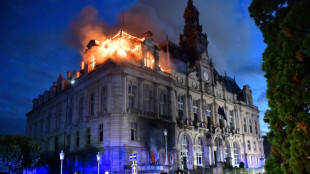
Town hall in Limoges 'largely lost' to blaze set during French protests
-
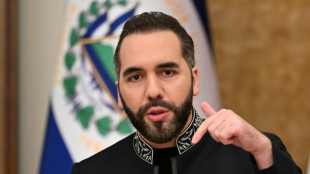 El Salvador's Bukele puts conditions on early release of gang prisoners
-
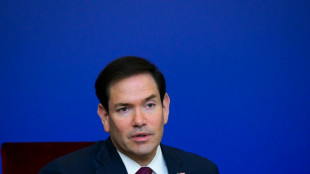
US goes on the offensive in central Asia
-
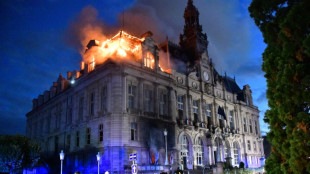 Fire rages at town hall in France's Limoges after protests: authorities
-
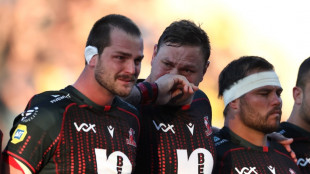
Emotional Lions come up short in Champions Cup as tributes paid to Andrews
-
 Unstoppable Barca thrash Betis to extend perfect start
-
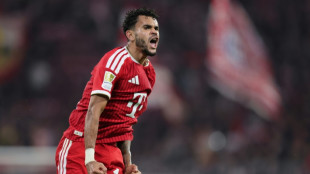
Diaz dazzles as Bayern batter Leipzig to go top
-
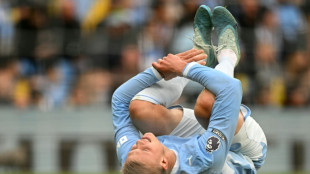 Maresca faces anxious wait over Haaland injury scare
-
Inter move clear at Serie A summit with Bologna win

-
 PSG fight back to beat Strasbourg after Dembele penalty miss
-
Liverpool still have 'lots to improve', says match-winner Isak
-
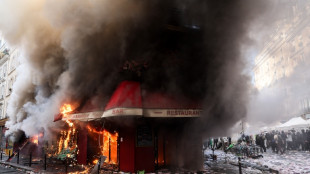 Looting, blazes and clashes in France amid nationwide protests
-
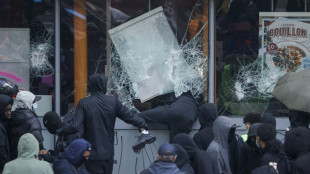
Looters ransack shops during France cost-of-living protests
-
 Walsh breaks her own 50 free world short course record
-
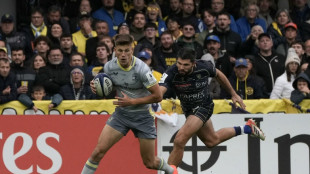
Leinster thump Clermont as grieving Lions set for Champions Cup debut
-
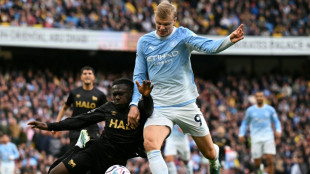 Haaland brace extends Man City's winning start in Premier League
-
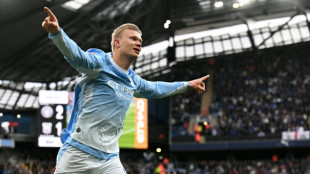
Haaland stars in Man City win, Liverpool beat Brentford
-
 'Special' Ombudsman storms to victory in Champion Stakes
-
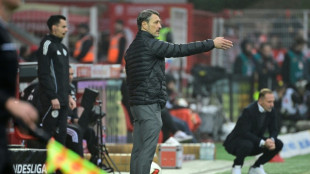
Dortmund go top despite Union Berlin stalemate
-
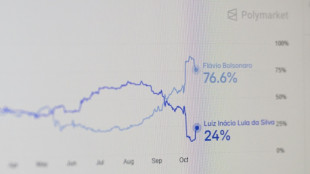 Brazil's right embraces election betting odds amid polls skepticism
-
Venezia upset Napoli for first Serie A win of season
-
 Four more Ebola cases detected in Kenya, bringing total to seven
-
Glasgow and Bulls win as grieving Lions set for Champions Cup debut
-
 Clashes erupt in France as protesters vow to make government 'tremble'
-
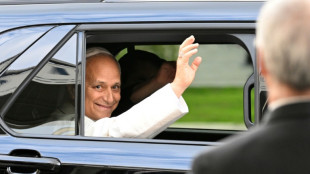
Smiling pope returns to Vatican after cancer surgery
-
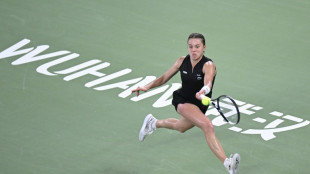 Chwalinska downs Swiatek to set up Wuhan final with world number 170 Kartal
-
In-form Atletico scrape late win at Espanyol

-
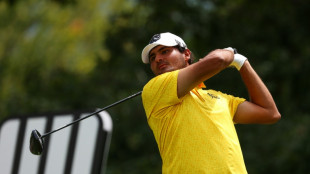 Chacarra takes lead as McIlroy falls away in Delhi
-
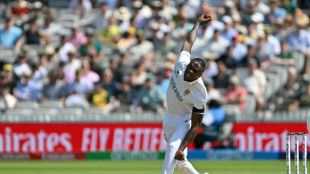
Rabada returns as S.Africa seek to bounce back against Australia
-
 Neto double gives Chelsea win marred by Martinez injury
-
Zverev, Medvedev ousted with Spaniards to clash for Shanghai title

-
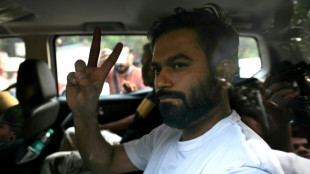 'Cockroach' party founder released from Indian police custody
-
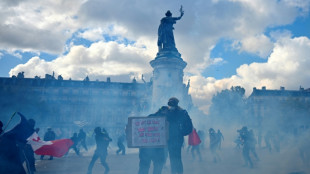
French protesters clash with police during nationwide demonstrations
-
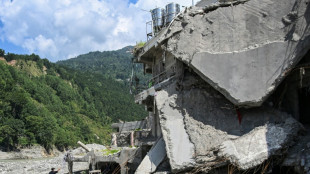 Nepal floods 'defining moment' for climate action: UN
-
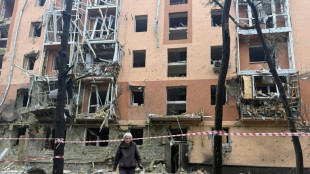
Zelensky says Trump could lift more Russia sanctions
-
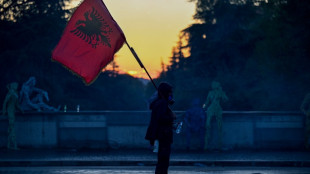 Albanian capital sees fifth straight day of violent clashes
-
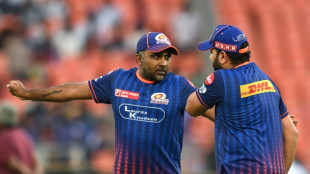
Jayawardene quits as coach of five-time IPL winners Mumbai
-
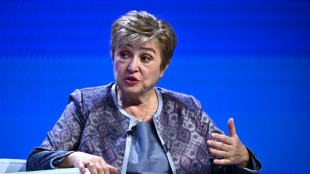 Leaders weigh 'huge benefit', risks of AI for global economy
-
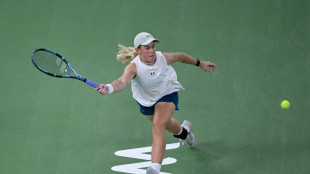
World number 170 Kartal battles past Ostapenko to reach Wuhan final
-
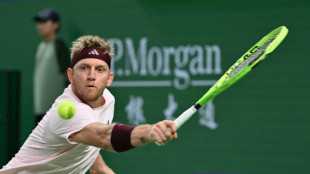 Zverev stunned by Davidovich Fokina in Shanghai semi-finals
-
Pope to return to Vatican after cancer surgery
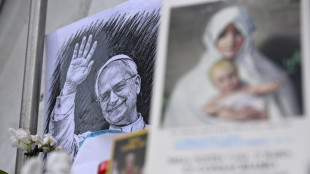
Tanks in Gaza - Hopes dim?
Israeli armour pushed deep into Gaza City this month, marking a renewed ground phase of the war that began after the 7 October 2023 Hamas attacks. The advance, supported by sustained air and artillery strikes, has driven fresh displacement from the north of the enclave and re‑ignited a diplomatic clash over Palestinian statehood.
At the United Nations General Assembly on 26 September, Prime Minister Benjamin Netanyahu used a high‑profile address to rebuff mounting international pressure for a two‑state outcome. He derided the latest wave of recognitions of Palestinian statehood by key Western capitals and repeated his long‑stated position that sovereignty west of the River Jordan must remain under Israeli control. In the same breath, he pledged to continue the campaign in Gaza until Hamas is dismantled and hostages are returned.
The duelling military and political tracks are tightly entwined. Israel’s ground manoeuvres, including tanks entering and encircling sectors of Gaza City, have coincided with a diplomatic realignment: the United Kingdom, Canada and Australia announced formal recognition of a Palestinian state during the week of 21–22 September, followed by France. Those moves, championed as an effort to salvage a two‑state horizon, were condemned by Israel as rewarding violence and dismissed by Mr Netanyahu as incompatible with Israel’s security imperatives. Washington, by contrast, has not joined the recognitions; the Trump administration has floated a new framework while urging progress on a hostage deal.
Inside Gaza, the humanitarian picture is stark. According to Gaza’s Ministry of Health, relayed through UN briefings, at least 65,419 people had been killed and 167,160 injured as of 24 September 2025, with casualty tallies rising during the latest Gaza City offensive. UN humanitarian officials report that only 14 hospitals remain even partially functional across the Strip—none at full capacity—after a series of closures and damage in September. Aid pipelines have been repeatedly disrupted by insecurity, route closures and fuel scarcity, compounding the risk of famine in the north.
The conflict’s spillover remains acute in the occupied West Bank, where hundreds of Palestinians have been killed or injured this year amid raids, settler violence and protests. Humanitarian monitors say the tempo of demolitions and displacement continues to rise, deepening the governance and security vacuum.
Israel argues that Gaza City is now the last significant bastion of organised Hamas resistance; military officials say the current operation is designed to break that cohesion while pressing for the release of remaining hostages. Palestinian civilians, many displaced multiple times, describe an impossible calculus as evacuation orders repeatedly shift across neighbourhoods without the guarantee of safe passage or shelter.
Diplomatically, recognition has symbolic punch but limited immediate effect on the ground. It hardens international expectations for a negotiated two‑state endgame even as Israel’s leadership rejects it; it also introduces new friction with allies over settlement expansion and the status of Jerusalem. For Palestinians, the cascade of recognitions confers legal and political standing, but cannot by itself halt fighting, deliver aid at scale or compel a ceasefire.
That gap—between the armour on the streets of Gaza and the speeches in New York—defines the present moment. Tanks and bulldozers are redrawing realities block by block; chancelleries are redrawing their maps of legitimacy. For now, the military logic and Mr Netanyahu’s rhetoric point in the same direction: a prolonged campaign with no near‑term pathway to an independent Palestinian state.

The Queen: From Churchill to Yeltsin and Tito to Trudeau

Queen Elizabeth II dies aged 96
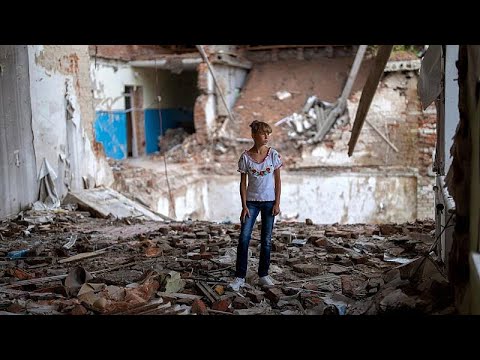
Ukraine: Kherson, nuclear inspectors and Russian army
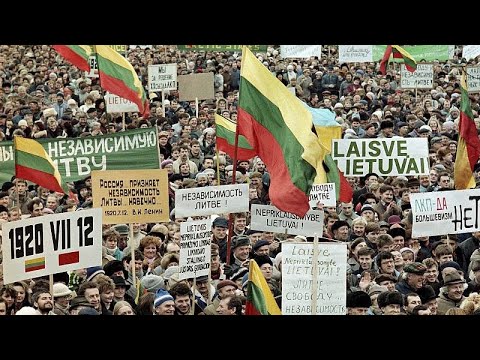
Why Lithuania didn't join the tributes to Gorbachev
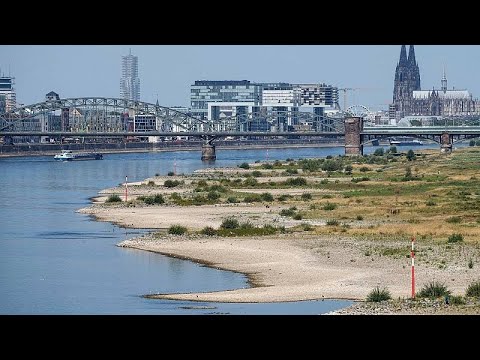
Germany: River Rhine water levels could fall to critical low
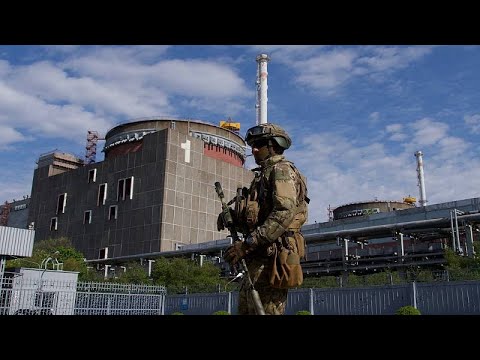
Ukraine war: Russia has to Stop suicidal attacks on Nuclear plant
Iran's Ayatollahs the next to Fall?
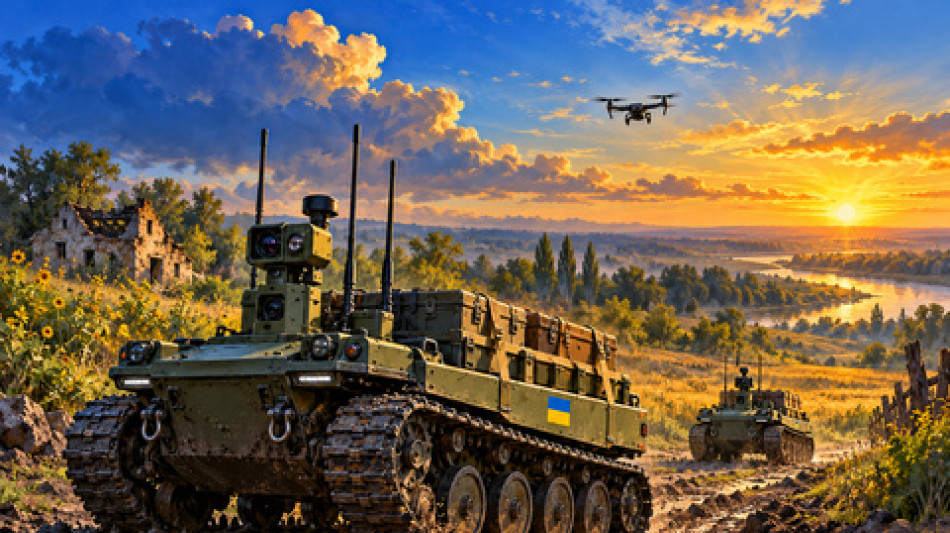
Ukraine sends ground robots

Power at the Heart of Iran

Argentina reshapes oil
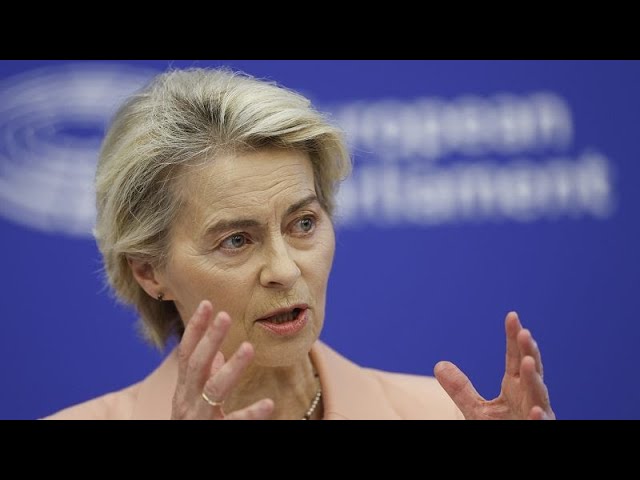
The EU Commission and its climate targets?



