-
 Oxygen tanks, purifier sales spike as haze crisis hits Southeast Asia
-
'Never seen anything like it': mass looting grips Paris

-
 Messi brace lifts Inter Miami to 3-1 win in Atlanta
-
All Blacks back on track after South Africa wake-up

-
 Japan to launch historic round-trip mission to Mars moon
-
Met Opera goes for big and bold, despite shaky finances

-
 Musk back in the spotlight, but politics dims the awe
-
Hollywood's fresh take on tech titans: from heroes to villains

-
 England Rugby League World Cup hopes hang by a thread
-
St. Louis City's unbeaten MLS run ends at 19, Union's reaches 15

-
 Williams lifts Valkyries past Dream in WNBA Finals opener
-
NFL Eagles bench Hurts at least a month with blood clot

-
 Dubois destroys Wardley to retain WBO heavyweight crown
-
Across US, 'No Kings' events seek to boost early voting

-
 Oregon families grapple with explaining school shooting to children
-
Tents spring up in Lisbon as Portugal housing protests spread

-
 Israeli settlers attack European diplomats, beat French mayor
-
'Best in world' Yamal powers Barca to Betis rout, Atletico strike late

-
 Town hall in Limoges 'largely lost' to blaze set during French protests
-
El Salvador's Bukele puts conditions on early release of gang prisoners

-
 US goes on the offensive in central Asia
-
Fire rages at town hall in France's Limoges after protests: authorities

-
 Emotional Lions come up short in Champions Cup as tributes paid to Andrews
-
Unstoppable Barca thrash Betis to extend perfect start

-
 Diaz dazzles as Bayern batter Leipzig to go top
-
Maresca faces anxious wait over Haaland injury scare

-
 Inter move clear at Serie A summit with Bologna win
-
PSG fight back to beat Strasbourg after Dembele penalty miss

-
 Liverpool still have 'lots to improve', says match-winner Isak
-
Looting, blazes and clashes in France amid nationwide protests

-
 Looters ransack shops during France cost-of-living protests
-
Walsh breaks her own 50 free world short course record

-
 Leinster thump Clermont as grieving Lions set for Champions Cup debut
-
Haaland brace extends Man City's winning start in Premier League

-
 Haaland stars in Man City win, Liverpool beat Brentford
-
'Special' Ombudsman storms to victory in Champion Stakes

-
 Dortmund go top despite Union Berlin stalemate
-
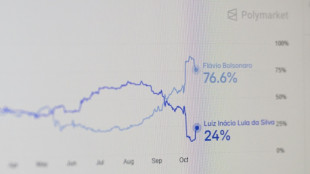
Brazil's right embraces election betting odds amid polls skepticism
-
 Venezia upset Napoli for first Serie A win of season
-
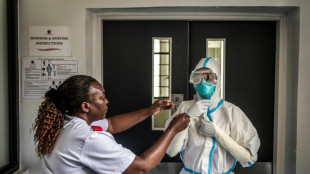
Four more Ebola cases detected in Kenya, bringing total to seven
-
 Glasgow and Bulls win as grieving Lions set for Champions Cup debut
-
Clashes erupt in France as protesters vow to make government 'tremble'

-
 Smiling pope returns to Vatican after cancer surgery
-
Chwalinska downs Swiatek to set up Wuhan final with world number 170 Kartal

-
 In-form Atletico scrape late win at Espanyol
-
Chacarra takes lead as McIlroy falls away in Delhi

-
 Rabada returns as S.Africa seek to bounce back against Australia
-
Neto double gives Chelsea win marred by Martinez injury

-
 Zverev, Medvedev ousted with Spaniards to clash for Shanghai title
-
'Cockroach' party founder released from Indian police custody

Cuba's hunger Crisis deepens
Cuba’s food emergency has sharpened into a pervasive hunger crisis. Queues for basic staples lengthen; subsidised rations arrive late or shrunken; prolonged black‑outs spoil what little families can buy. At the centre sits a long‑running question of policy as well as morality: should the United States lift—wholly or in part—its embargo?
What is driving hunger?
Cuba’s economy has been in a grinding downturn since 2020, with a steep loss of foreign currency, collapsing agricultural output and a power grid plagued by breakdowns. The island imports most of what it eats; when hard currency runs short, shipments of wheat, rice, oil and powdered milk stall. Ration books still guarantee a monthly “basic basket”, but the contents are smaller and more erratic than before. Long electricity cuts—now at times island‑wide—destroy refrigerated food and disrupt mills, bakeries and water systems. In March 2024, rare public protests erupted over black‑outs and empty shops; since then, outages and shortages have persisted well into 2025.
Behind the empty shelves lies a structural farm crisis. Sugar—once the backbone of the economy—has withered to a fraction of historic output, starved of fuel, fertiliser, parts and investment. Cane shortfalls ripple into food, transport and export earnings. Livestock herds have thinned, and diesel scarcity makes planting and distribution harder. Even when harvests occur, logistics failures and power cuts mean produce rots before reaching markets.
How far does the embargo matter?
Two facts can be true at once. First, Cuba’s own policy choices—tight state controls, delayed reforms, pricing distortions and a faltering energy system—are central to the crisis. Second, U.S. sanctions amplify the shock. The embargo, codified in U.S. law, restricts trade and finance with Cuba’s state sector and deters banks and insurers from handling even otherwise lawful transactions. Although food and medicine are formally exempt, Cuba must typically pay cash in advance and cannot access normal commercial credit from U.S. institutions; compliance risk pushes up costs, slows payments and scares off shippers and intermediaries. Cuba’s continued designation as a “State Sponsor of Terrorism” further chills banking ties. In short: exemptions exist on paper, frictions mount in practice.
There are countervailing trends. Since 2021, Havana has allowed thousands of private micro‑, small‑ and medium‑sized enterprises (MSMEs) to operate; many import food and essentials the state cannot supply. In 2024, Washington moved to let independent Cuban entrepreneurs open and use U.S. bank accounts remotely and to widen authorisations for internet‑based services and payments. Yet the political pendulum has swung back toward greater sanctions in 2025, and Cuba’s own tighter rules on the private sector have added uncertainty. The net effect is an ecosystem still too fragile to steady food supplies.
Is this a “famine”?
No international body has declared a technical famine in Cuba. That term has a high evidentiary threshold. But food insecurity is severe and widespread: calorie gaps, ration cuts, milk shortages for young children and recurrent bakery stoppages paint a picture of a humanitarian emergency in all but name. Global agencies have stepped in to help secure powdered milk and other basics; even so, distribution delays and funding shortfalls mean stop‑start relief.
Should the United States lift the embargo?
The humanitarian case is powerful. Lifting or substantially easing the embargo would lower transaction costs, restore access to trade finance, reduce shipping and insurance frictions, and widen suppliers’ appetite to sell. That would not, by itself, fix Cuba’s domestic constraints, but it would remove external bottlenecks that particularly harm food imports, farm inputs and power‑sector maintenance. In a context of ration cuts and soaring prices, fewer frictions mean more staples on plates.
The governance caveat is equally real. Sanctions were designed to press for pluralism and human rights; critics fear that broad relief could entrench a state‑dominated economy with poor accountability, and that aid or hard currency could be diverted. Nor is a full lift simple: the embargo is written into statute and requires congressional action. In U.S. domestic politics, that bar is high.
A pragmatic path through
Given legal and political realities, three steps stand out as both feasible and fast‑acting:
1) Create a humanitarian finance channel for food and farm inputs. Authorise insured letters of credit and trade finance for transactions involving staple foods, seeds, fertiliser, spare parts for milling, cold‑chain equipment and water treatment—available to private MSMEs and non‑sanctioned public distributors alike, with end‑use auditing.
2) De‑risk payments for independent Cuban businesses. Lock in and broaden 2024 measures allowing Cuban private entrepreneurs to hold and use U.S. bank accounts remotely, and permit “U‑turn” transfers that clear in U.S. dollars when neither buyer nor seller is a sanctioned party. Pair this with enhanced due diligence to prevent diversion.
3) Protect the food pipeline from energy failures. License sales of critical spares and services for power plants and grid stability that directly safeguard bakeries, cold storage, water pumping and hospitals. Where necessary, allow time‑bound fuel swaps for food distribution fleets under third‑party monitoring.
Alongside U.S. actions, Cuba must do its part: secure property rights for farmers, ensure price signals that reward production, remove import monopolies that choke private wholesalers, cut administrative hurdles for MSMEs, and prioritise grid repairs that keep food systems running. Without these domestic adjustments, external relief will leak away in lost output and waste.
The bottom line
Cuba’s hunger crisis is the product of compounding internal and external failures. Ending or meaningfully easing U.S. sanctions on food, finance and energy‑for‑food lifelines would save time, money and calories; it is defensible on humanitarian grounds and achievable through executive licensing even if Congress leaves the core embargo intact. But durability demands reciprocity: Havana must unlock farm productivity and private distribution, and Washington should target relief where it most directly feeds Cuban households. Starvation risks are non‑ideological. Policy should be, too.

Cuba Strangled by US Pressure

Power at the Heart of Iran

Nicaragua on the brink?

Cuba's golden Goose dies
Hormuz Shock Risk rising

Malaysia's Strategic Ascent

Trump’s Crackdown: Lives/Risk

Euro Challenges Dollar's Reign
US tariff dispute: No winner

Zelensky's trap for Putin

Jewish Success: Myths & Facts