-
 England Rugby League World Cup hopes hang by a thread
-
St. Louis City's unbeaten MLS run ends at 19, Union's reaches 15

-
 Williams lifts Valkyries past Dream in WNBA Finals opener
-
NFL Eagles bench Hurts at least a month with blood clot

-
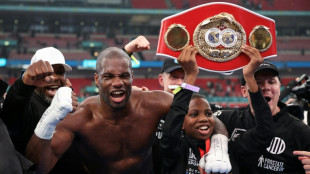 Dubois destroys Wardley to retain WBO heavyweight crown
-
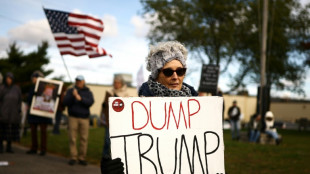
Across US, 'No Kings' events seek to boost early voting
-
 Oregon families grapple with explaining school shooting to children
-
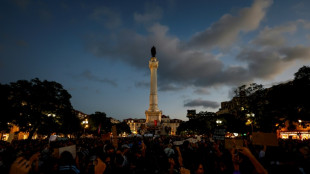
Tents spring up in Lisbon as Portugal housing protests spread
-
 Israeli settlers attack European diplomats, beat French mayor
-
'Best in world' Yamal powers Barca to Betis rout, Atletico strike late

-
 Town hall in Limoges 'largely lost' to blaze set during French protests
-
El Salvador's Bukele puts conditions on early release of gang prisoners

-
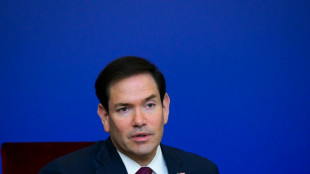 US goes on the offensive in central Asia
-
Fire rages at town hall in France's Limoges after protests: authorities

-
 Emotional Lions come up short in Champions Cup as tributes paid to Andrews
-
Unstoppable Barca thrash Betis to extend perfect start

-
 Diaz dazzles as Bayern batter Leipzig to go top
-
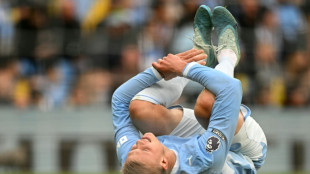
Maresca faces anxious wait over Haaland injury scare
-
 Inter move clear at Serie A summit with Bologna win
-
PSG fight back to beat Strasbourg after Dembele penalty miss

-
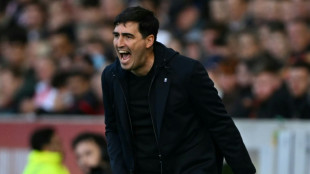 Liverpool still have 'lots to improve', says match-winner Isak
-
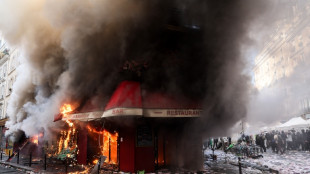
Looting, blazes and clashes in France amid nationwide protests
-
 Looters ransack shops during France cost-of-living protests
-
Walsh breaks her own 50 free world short course record

-
 Leinster thump Clermont as grieving Lions set for Champions Cup debut
-
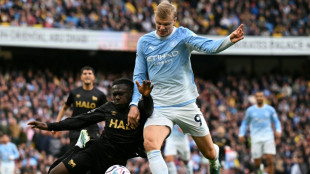
Haaland brace extends Man City's winning start in Premier League
-
 Haaland stars in Man City win, Liverpool beat Brentford
-
'Special' Ombudsman storms to victory in Champion Stakes

-
 Dortmund go top despite Union Berlin stalemate
-
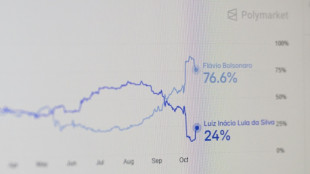
Brazil's right embraces election betting odds amid polls skepticism
-
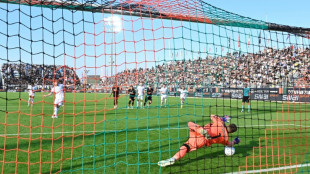 Venezia upset Napoli for first Serie A win of season
-
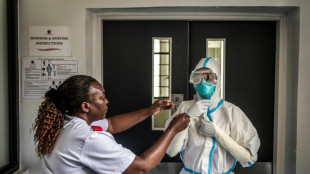
Four more Ebola cases detected in Kenya, bringing total to seven
-
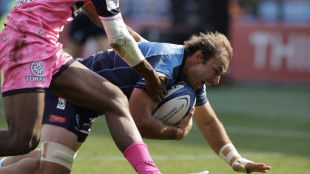 Glasgow and Bulls win as grieving Lions set for Champions Cup debut
-
Clashes erupt in France as protesters vow to make government 'tremble'
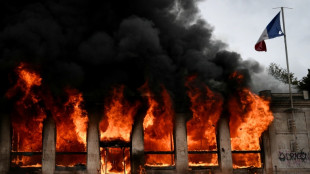
-
 Smiling pope returns to Vatican after cancer surgery
-
Chwalinska downs Swiatek to set up Wuhan final with world number 170 Kartal
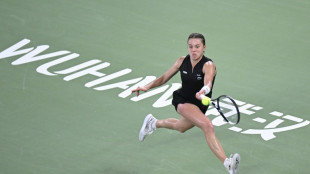
-
 In-form Atletico scrape late win at Espanyol
-
Chacarra takes lead as McIlroy falls away in Delhi

-
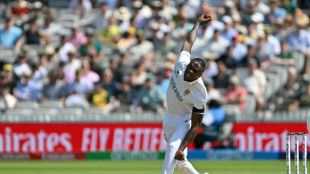 Rabada returns as S.Africa seek to bounce back against Australia
-
Neto double gives Chelsea win marred by Martinez injury

-
 Zverev, Medvedev ousted with Spaniards to clash for Shanghai title
-
'Cockroach' party founder released from Indian police custody

-
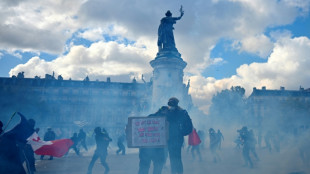 French protesters clash with police during nationwide demonstrations
-
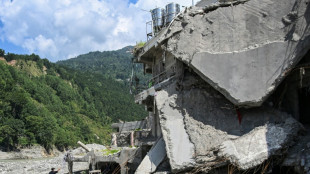
Nepal floods 'defining moment' for climate action: UN
-
 Zelensky says Trump could lift more Russia sanctions
-
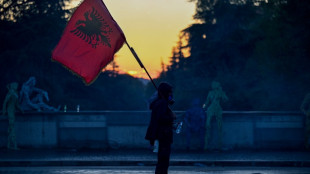
Albanian capital sees fifth straight day of violent clashes
-
 Jayawardene quits as coach of five-time IPL winners Mumbai
-
Leaders weigh 'huge benefit', risks of AI for global economy

-
 World number 170 Kartal battles past Ostapenko to reach Wuhan final
-
Zverev stunned by Davidovich Fokina in Shanghai semi-finals

Milei suffers crushing Defeat
Argentina’s political earthquake arrived in its largest province. In Buenos Aires—home to roughly two out of every five Argentines and a third of national output—voters delivered a decisive rebuke to President Javier Milei’s libertarian experiment. The opposition’s double‑digit win there has redefined the battlefield ahead of the October 26 midterms and raised the most consequential question of Milei’s tenure: has the shock‑therapy project reached its political limits, or can it be reshaped to survive?
The weekend vote was more than a provincial skirmish. Buenos Aires Province is the bellwether of national mood, the place where governing coalitions are tested against kitchen‑table realities. Since taking office in December 2023, Milei has cut public spending, torn up regulations, and promised to “chainsaw” a bloated state. The promise was stabilization and a return to growth. The reality, for now, is disinflation alongside recessionary pain—and a public impatient with the trade‑offs.
The defeat capped a brutal week in Congress. Senators in a rare show of cross‑party force overturned the president’s veto of an emergency law for people with disabilities, the first time lawmakers have reversed a veto in his term. That vote exposed a governing weakness that polls had long foreshadowed: with only a small minority in the legislature, the administration needs allies to pass—or defend—its agenda. Without them, vetoes can be overridden and decrees can be struck down, turning executive maximalism into legislative stasis.
The economic fallout was immediate. Investors who had priced in a tighter race in Buenos Aires marked down Argentine assets: the peso slid, local stocks tumbled, and dollar bonds sank. Those moves do not merely reflect skittish traders; they speak to a deeper concern about policy durability. Stabilization plans succeed when markets, businesses, and households believe governments can stick with them through the next election. A double‑digit loss in the country’s biggest province—on the eve of national midterms—casts doubt on that belief.
Yet the macro scoreboard holds genuine wins. Monthly inflation, once galloping, is now down to the low single digits, with August clocking in at 1.9% and the annual rate falling to the mid‑30s—its lowest in years. That is not trivial in a country battered by recurring price spirals. But stabilization has not felt like relief. Unemployment climbed earlier this year, real wages are fragile, and public services—from universities to hospitals—have become flashpoints in street politics and Senate votes alike. In short, disinflation without growth has proved a hard sell.
Politically, the map is shifting. The Peronist opposition emerges emboldened and more unified in the province that most shapes national outcomes. Moderate center‑right blocs, kingmakers on pivotal bills, now see greater leverage in demanding changes to the government’s approach. Meanwhile, the administration is fending off an ethics storm tied to the disability agency that, regardless of legal outcomes, has further complicated coalition building. Governance in Argentina has always been a game of arithmetic; after Buenos Aires, the numbers look harsher for the Casa Rosada.
Milei’s response has been defiance and focus. He scrapped a high‑profile foreign trip and insisted the program will not retreat “one millimeter.” That message shores up his core base—and markets like clarity—but it also hardens the lines with potential legislative partners who bristle at being bulldozed. If the government wants to avoid paralysis, it faces a strategic choice: continue governing by confrontation, or translate a movement into a coalition that can last beyond a single news cycle.
What would a survivable version of the project look like? First, a pivot from chainsaw to scalpel: prioritize a handful of reforms with broad support (tax rationalization, simplification of import/export rules, and credible, rules‑based monetary policy) over sprawling omnibus fights that unify the opposition. Second, institutionalize the stabilization: codify fiscal rules, improve budget transparency, and pre‑agree social floors (for disability benefits, school meals, essential medicines) that take the sting out of austerity. Third, build a minimum viable coalition: offer procedural concessions in Congress and genuine co‑ownership of reforms to centrists who can deliver votes and legitimacy.
None of this is guaranteed. The midterms on October 26 could narrow or widen the path. A better‑than‑expected result for the ruling party would reduce veto risks and revive momentum; a worse‑than‑expected outcome would turn the next year into a trench war of vetoes, court challenges, and market flare‑ups. In either case, Argentina does not need to “fail again.” It needs a version of reform that is less theatrical and more durable—a politics that trades viral moments for legislative math.
The Buenos Aires result was a verdict on pace, priorities, and tone. It was not a binding judgment on whether Argentina must choose between stabilization and dignity. The question now is whether the president can adjust his method without abandoning his aim—turning a shock into a strategy, and a plurality into a governing majority. If he can, the project may yet outlast the week’s defeat. If he cannot, the defeat may define the project.

Germany under Weidel

After Europe’s capitulation

Operation Venezuela: Scenario

Can the FANB shield Maduro?

After Kirk: Speech at Risk

Argentina reshapes oil

EU misstep on mercosur Deal
India defies U.S. tariffs

AI sparks Wall Street panic

Ukraine sends ground robots

China’s lithography leap